
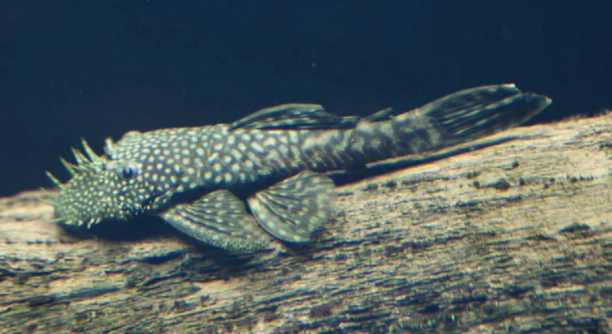
Plecos are popular aquarium fish known for their algae-eating habits and low maintenance. However, at times, they may become inactive, leaving owners puzzled. Understanding the reasons behind this behavior can help keep your pleco healthy.
Plecos can become inactive due to various factors such as water quality issues, changes in temperature, inadequate diet, or stress. Environmental factors like poor filtration, tankmates, and a lack of hiding spots can also contribute to inactivity.
By identifying these triggers and addressing them, you can help your pleco stay active and healthy. Understanding the causes behind this behavior will guide you in creating a better environment for your fish.
Water Quality Issues
Water quality is one of the primary reasons why plecos become inactive. When the water in the tank becomes too dirty or the pH level fluctuates, it can cause stress, which often leads to a decrease in activity. Plecos are sensitive to changes in their environment, and poor water conditions can make them sluggish or even cause them to hide.
The most common water quality issues affecting plecos include high ammonia, nitrites, and nitrates, as well as imbalanced pH levels. These can lead to respiratory problems and stress, causing your pleco to stay hidden more often than usual.
To maintain water quality, it’s crucial to regularly check the water parameters and perform frequent water changes. An efficient filtration system is also essential to keep the water clean and safe. By monitoring and adjusting the water conditions, you can create a healthier environment where your pleco feels more comfortable and active.
Temperature Fluctuations
Plecos are sensitive to temperature changes, and rapid fluctuations can cause them to become inactive. Ideal water temperature for most plecos ranges between 72°F and 82°F.
Sudden drops or increases in temperature can lead to stress, which may cause them to hide. Using a reliable aquarium heater and thermometer ensures that the tank stays within the optimal temperature range. Consistent water temperature helps plecos feel secure and reduces the chances of inactivity. Regularly checking the temperature can help prevent this issue.
Inadequate Diet
Plecos need a varied diet to stay active and healthy. If their diet lacks the right nutrients, they may become inactive. Offering a variety of foods like algae wafers, vegetables, and occasional protein sources is essential. A poor diet can result in malnutrition, leading to reduced energy levels.
If plecos aren’t getting enough fiber or the right type of food, they can grow sluggish and stop foraging for algae. They might even show less interest in their surroundings or hide more often. Offering leafy greens like spinach or zucchini can help improve their energy levels and activity.
Additionally, not all plecos are herbivores. Some may also benefit from protein-rich food such as shrimp or worms. Adjusting their diet according to their species’ needs can prevent inactivity and ensure they get the nutrition required to thrive.
Stress from Tankmates
Tankmates can have a big impact on the behavior of your pleco. Aggressive or overly active fish may stress your pleco, causing it to become less active. A peaceful tank environment is key to encouraging your pleco to feel safe and comfortable.
Fish that constantly chase or nip at your pleco can stress it out, making it retreat to hiding spots more often. Plecos generally prefer calm surroundings, so choose tankmates that aren’t too aggressive. Fish like tetras, rasboras, or peaceful cichlids can usually coexist with plecos without causing stress.
Stress from tankmates may also result in physical signs of distress, such as clamped fins or loss of appetite. Adjusting the tank’s layout to offer more hiding spaces or adding more plants can also help reduce stress. By choosing the right companions and making sure the tank is calm, you can help your pleco feel more relaxed and active.
Poor Tank Setup
An improperly set-up tank can lead to a pleco becoming inactive. If the tank is too small or lacks proper hiding spots, your pleco might feel stressed or trapped. It’s important to provide ample space and areas to hide.
Plecos prefer to have some places where they can retreat and feel secure. A lack of decorations or hiding spots, like caves or plants, can make them feel exposed and cause them to stay inactive. A larger tank with more space will help ensure they don’t feel confined and encourage natural behavior.
Overfeeding
Overfeeding can also contribute to inactivity. When plecos are given more food than they can consume, it can lead to bloating or discomfort. This may cause them to become lethargic or hide more often.
Plecos should be fed only what they can eat in a few hours. Leftover food can degrade water quality, which in turn affects their activity levels. It’s important to maintain a feeding schedule and avoid overfeeding to keep your pleco healthy and active.
Incompatible Water Parameters
Incompatible water parameters can affect a pleco’s activity. Issues like high or low pH, hardness, or improperly balanced mineral levels can cause your pleco to feel uncomfortable, which may result in inactivity. Monitoring these parameters regularly is essential for their health.
Plecos are sensitive to specific water conditions. For example, some species require harder water, while others thrive in softer environments. Keeping the water parameters in the optimal range based on your pleco’s species will help them feel secure and active. Regular checks and adjustments will prevent inactivity caused by poor water quality.
FAQ
Why is my pleco not eating?
There can be several reasons why your pleco isn’t eating. It could be due to poor water conditions, incorrect temperature, or stress from tankmates. Sometimes, plecos can become picky eaters, especially if they’re not used to certain foods. If they are stressed or uncomfortable, they might stop eating altogether. Ensure your tank is clean, water is the right temperature, and they have access to a variety of foods. If this doesn’t resolve the issue, consider adjusting their diet or isolating them from aggressive tankmates to reduce stress.
How can I encourage my pleco to be more active?
To encourage your pleco to be more active, you need to focus on creating a comfortable environment. Start by maintaining excellent water quality with regular water changes and checking water parameters. Ensure your pleco’s tank is large enough, with plenty of hiding spots and areas to explore. A varied diet will also keep your pleco engaged, so include fresh vegetables, algae wafers, and occasional protein-rich foods like shrimp. Lastly, ensure the temperature is consistent and within the right range for your pleco’s species.
Can plecos live with other fish?
Yes, plecos can live with other fish, but it depends on the species of pleco and the temperament of the tankmates. Generally, plecos are peaceful and can coexist with other non-aggressive fish. Avoid putting them with fin-nipping fish or overly aggressive species, as this could stress your pleco and lead to inactivity. Keep in mind that some plecos grow large and might need more space. Also, some plecos are nocturnal, so they may not interact much during the day but are active at night.
Is my pleco sick or just inactive?
Inactivity doesn’t always indicate illness, but it could be a sign of stress, poor water conditions, or other factors. If your pleco is hiding more often or swimming sluggishly but still eating and behaving normally, it might just need a more suitable environment. However, if it’s showing signs like a lack of appetite, faded colors, or unusual swimming patterns, it could be sick. In such cases, check for any external signs of illness, such as lesions or parasites. If needed, consult a vet or aquatic specialist.
How often should I feed my pleco?
Plecos should be fed once or twice a day, depending on their age and size. Overfeeding can lead to inactivity and poor water quality, so it’s best to feed only what they can eat within a few hours. Be sure to offer a variety of food sources, such as algae wafers, vegetables, and proteins. If you have a larger pleco, it may need more food, but always monitor how much it consumes. Remove any uneaten food to prevent water contamination.
Can plecos live in cold water?
Most plecos prefer warm water and are not suited to cold water tanks. While some plecos can tolerate a slight drop in temperature, prolonged exposure to cold water can cause them stress, leading to inactivity or illness. The ideal water temperature for plecos typically ranges from 72°F to 82°F. Keeping the tank within this range will help your pleco stay active and healthy. If your home temperature fluctuates, you might want to invest in an aquarium heater to maintain the proper temperature.
Why does my pleco keep hiding?
Hiding is common behavior for plecos, especially when they’re feeling stressed or insecure. They are nocturnal creatures and may hide during the day and become more active at night. However, if your pleco is hiding all the time, it could indicate poor water conditions, stress from aggressive tankmates, or lack of hiding spots. Providing more plants or caves can help, and improving water quality should also encourage your pleco to come out more. If hiding is coupled with other signs of distress, consider checking for signs of illness.
What is the best way to care for a pleco?
To care for a pleco, start by providing a spacious tank with clean water, a stable temperature, and suitable hiding spots. Regular water changes are important to maintain water quality, and you should monitor the levels of ammonia, nitrates, and pH. Plecos need a varied diet that includes algae wafers, fresh vegetables, and occasional protein sources. It’s important to avoid overfeeding and to remove uneaten food to prevent water contamination. Lastly, ensure that your tankmates are peaceful to reduce stress and allow your pleco to thrive.
How do I know if my pleco is stressed?
Stress in plecos can manifest through various signs, including hiding more than usual, loss of appetite, changes in swimming patterns, or a lack of interest in their surroundings. In some cases, stress may also lead to faded colors or erratic swimming behavior. If your pleco is stressed, first check the water quality, as poor conditions can often be a major cause. Make sure the temperature is stable and that the tank is large enough with proper hiding spots. Reducing aggression from tankmates can also help alleviate stress.
Can plecos survive in small tanks?
While some species of plecos can survive in smaller tanks, it’s generally better to provide them with more space. A larger tank helps prevent stress and inactivity, as plecos need room to roam and hide. Smaller tanks can quickly become overcrowded and cause poor water quality, which may affect your pleco’s health. As a rule, plecos should have at least a 20-gallon tank, but some species that grow larger will need even more space. Larger tanks also provide better filtration and water circulation, both of which are essential for pleco health.
Final Thoughts
Plecos are relatively low-maintenance fish, but they do require the right environment to stay healthy and active. Their inactivity can often be traced back to several factors, such as poor water quality, temperature fluctuations, or stress from tankmates. It’s important to keep the tank clean and maintain a stable environment, as plecos are sensitive to changes in their surroundings. Regular water changes, monitoring pH levels, and keeping the water at the proper temperature are simple steps that can help prevent inactivity. A consistent and suitable environment will help your pleco thrive, stay active, and enjoy a long life in your aquarium.
Feeding your pleco a balanced diet is also essential for its well-being. While they are known for eating algae, a varied diet including vegetables, algae wafers, and occasional proteins will provide them with all the nutrients they need. Overfeeding or offering the wrong types of food can lead to inactivity or other health issues. Plecos do best when they are given only what they can consume within a few hours. By keeping their diet varied and ensuring they’re not overfed, you’ll help your pleco remain active and healthy.
Lastly, choosing the right tankmates and giving your pleco enough space to hide and explore is crucial. Some fish may stress your pleco, causing it to retreat and become less active. It’s important to choose peaceful fish that won’t disturb your pleco. A larger tank with plenty of hiding spots will also reduce stress and encourage natural behavior. While plecos are generally peaceful, providing them with a safe, calm environment will help them stay active and happy in your aquarium. By paying attention to their needs and adjusting their environment accordingly, you can ensure your pleco remains healthy and active for years to come.

Hello,
If you enjoy the content that we create, please consider saying a "Thank You!" by leaving a tip.
Every little bit helps us continue crafting quality advice that supports the health, happiness, and well-being of pets around the world, for pets of all shapes, sizes, and species.
We really appreciate the kindness and support that you show us!