
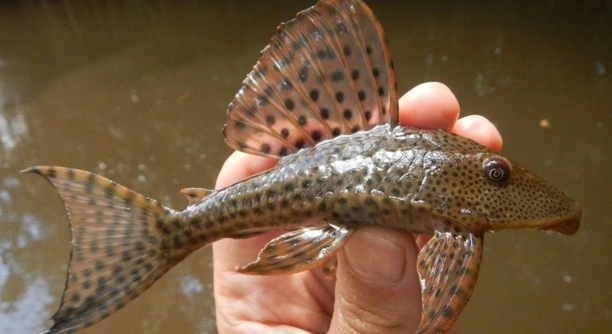
Plecos are popular aquarium fish known for their algae-eating habits. However, it’s important to monitor their diet closely to ensure they receive the right balance of nutrients. Too much of anything can lead to health problems.
A pleco can indeed get too much protein if fed an unbalanced diet. High protein levels can cause obesity, kidney stress, and other health issues in these fish. It’s essential to provide a varied, well-rounded diet to maintain their health.
Understanding the right amount of protein for your pleco can help you keep your fish in the best shape possible. With the right balance, they will thrive and contribute to a healthier tank environment.
How Much Protein Should a Pleco Eat?
Plecos, especially the commonly kept species like the common pleco, thrive on a diet that’s mostly made up of plant matter. While they do eat small amounts of protein, their digestive system is adapted to process more fiber and vegetable-based foods. Overloading them with protein-rich foods can be harmful to their health. If you notice your pleco becoming overweight or lethargic, it’s a sign that their diet may need adjusting. Plecos can’t break down excessive protein as efficiently as other fish, and this can lead to kidney stress or other issues. Stick to a diet that mimics what they would eat in the wild to avoid overfeeding protein.
To ensure your pleco gets the right nutrition, consider offering algae wafers, blanched vegetables like zucchini, and occasional protein sources like shrimp or worms. It’s all about moderation and variety to keep them healthy.
A varied diet that includes vegetables, algae, and the occasional protein will ensure your pleco receives proper nutrition. They’re not designed to eat protein-rich foods all the time, and balance is key for their long-term health.
Signs Your Pleco May Be Getting Too Much Protein
If your pleco is eating more protein than it should, you may notice changes in its behavior or appearance. One of the first signs is weight gain. A pleco that is overweight can struggle with movement and become more sluggish. Its body shape might also become more rounded rather than elongated, a clear indication that excess protein is being stored as fat. Over time, this can lead to internal issues such as bloating or problems with the kidney.
In addition to weight changes, another sign to look out for is abnormal behavior. If your pleco seems less active or hides more than usual, this could be a response to a high-protein diet. In some cases, they may also suffer from difficulty swimming or appearing out of breath. All these symptoms point to the same issue: an imbalance in their diet.
Adjusting their diet by cutting down on high-protein foods and focusing on plant-based options will help restore balance. It’s essential to ensure your pleco gets proper nutrition, avoiding too much protein while giving them a variety of healthy foods.
Types of Protein Foods for Your Pleco
When feeding your pleco, it’s important to focus on appropriate sources of protein. While they primarily need plant-based foods, small amounts of protein from shrimp or fish meal can be beneficial. Avoid overloading them with these protein-heavy foods, as too much can lead to health problems. Offer them protein in moderation, mixing it with other ingredients like algae wafers or fresh veggies.
Protein-rich foods such as bloodworms or brine shrimp can be given occasionally as a treat. These foods should be reserved for times when you want to offer variety, but they should not make up the majority of their diet. A pleco’s digestive system isn’t designed for constant high-protein intake, so balance is key. Be mindful not to overfeed these protein sources, as they can quickly cause excess fat buildup.
It’s best to keep protein foods as a small part of your pleco’s overall diet. Stick with algae wafers, vegetables, and occasional protein sources. This balance helps ensure your pleco gets the nutrients it needs without putting unnecessary stress on its system. Remember, moderation is the key.
The Risks of Too Much Protein for Plecos
Too much protein in a pleco’s diet can lead to several health issues. High protein levels can cause obesity, leading to a pleco that’s too heavy to swim properly or become active. This weight gain can affect their internal organs, including the kidneys. If left unchecked, excessive protein intake can contribute to kidney damage, which is often irreversible.
Another problem with overfeeding protein is digestive distress. Plecos have a specialized digestive system designed to process fiber, not large amounts of protein. High-protein diets can overwhelm their digestive tract, causing bloating, constipation, or other issues that might affect their overall health. These issues can lead to stress or even death if not addressed early on.
Regularly monitoring your pleco’s diet and adjusting protein intake when necessary can help avoid these issues. Stick to a balanced feeding schedule that includes vegetables, algae, and only small amounts of protein-rich foods. Your pleco will be healthier, happier, and more active.
Monitoring Your Pleco’s Diet
It’s important to regularly check how much your pleco is eating. Feeding your pleco too often or giving them too many protein-rich foods can lead to overfeeding. Keep track of how much food you offer and how much is consumed. This helps prevent issues like obesity or poor digestion.
Pay attention to your pleco’s eating habits. If they leave food behind, it could be a sign they are getting too much. Adjust portions accordingly, and be mindful of how much protein-rich food you’re offering. Keeping portions under control ensures a healthier diet for your pleco.
Choosing the Right Algae for Your Pleco
Algae is one of the best food sources for your pleco. It provides natural nutrients and fiber that support their digestion. You can provide algae in various forms, like algae wafers, pellets, or even fresh algae from your tank. This gives your pleco the essential nutrition they need.
When buying algae-based foods, be sure to choose ones that are high in fiber and low in protein. This mimics their natural diet in the wild. Too much protein can still be harmful, so algae should be the main focus of their diet, supplemented with occasional protein treats.
Adjusting Protein Levels Over Time
As your pleco grows, its nutritional needs will change. In the early stages of life, they may need more protein to support growth. However, as they mature, the focus should shift to a more plant-based diet. Adjusting their protein intake over time is essential for their health.
FAQ
How do I know if I’m feeding my pleco too much protein?
If your pleco is gaining weight rapidly or seems less active than usual, it could be a sign that it’s getting too much protein. Overfed plecos may also have difficulty swimming or appear bloated. Their body shape might become rounder instead of elongated. If these signs occur, it’s time to adjust their diet and focus more on plant-based foods and less on protein-rich foods.
Can I feed my pleco protein every day?
It’s not advisable to feed protein to your pleco every day. Plecos are primarily herbivores, so a diet rich in algae and vegetables should make up the bulk of their intake. Protein can be fed occasionally as a supplement or treat, but it should not be the primary focus of their diet. Feeding protein too frequently can lead to health problems, such as obesity or kidney strain.
What happens if my pleco gets too much protein?
If your pleco gets too much protein, it can lead to several health issues. One of the most common problems is weight gain, which can cause stress on their organs, particularly the kidneys. Plecos may also suffer from digestive problems like constipation or bloating. Over time, excessive protein can shorten their lifespan, so it’s important to maintain a balanced diet for them.
How much protein should a pleco eat?
Plecos do not require a high-protein diet. Most of their nutrition should come from plant-based foods like algae, vegetables, and aquatic plants. If you are feeding them protein-rich foods like shrimp or bloodworms, it should only be a small part of their diet, about once or twice a week. Protein should make up no more than 10–20% of their total diet.
What are the best sources of protein for plecos?
Some of the best sources of protein for plecos include bloodworms, brine shrimp, and daphnia. These can be offered as occasional treats but should not be a daily part of their diet. You can also find algae wafers that contain protein in small amounts, which is a more balanced option. Be sure to offer these protein-rich foods sparingly.
Can plecos eat fish food with high protein content?
Fish food designed for carnivorous species may have high protein content, but it’s not ideal for plecos. Plecos are mainly herbivores, and a diet high in protein can cause long-term health problems. Instead, choose algae-based food designed specifically for plecos or omnivorous fish that includes a balance of protein and plant material.
Are algae wafers a good option for plecos?
Yes, algae wafers are an excellent option for plecos. These wafers are designed to provide a balanced diet that includes fiber and essential nutrients that plecos need. They are especially good because they mimic the natural diet of plecos, which consists mainly of algae and plant material. Algae wafers should make up the bulk of your pleco’s diet.
Can I feed my pleco fresh vegetables?
Yes, fresh vegetables are an important part of a pleco’s diet. Vegetables like zucchini, cucumber, spinach, and lettuce can be offered regularly. It’s a good idea to blanch the vegetables slightly before feeding them to make them easier for your pleco to digest. Fresh veggies provide fiber, vitamins, and minerals, which are crucial for your pleco’s overall health.
How often should I feed my pleco?
Plecos are relatively low-maintenance when it comes to feeding. Generally, they should be fed once a day or every other day, depending on their age and size. Young plecos may need to eat more frequently, while adult plecos can manage with less. Always make sure they eat the food you provide in a reasonable amount of time, and remove any uneaten food to avoid water contamination.
Can plecos eat live plants in my tank?
Plecos can eat live plants in your tank, especially if they are herbivores. However, this can be problematic if your pleco eats too many plants, as it may damage the plants in the tank. To prevent this, provide a sufficient amount of other food sources, such as algae wafers and vegetables, to keep your pleco well-fed without relying solely on your live plants.
What signs should I look for to know if my pleco is unhealthy?
Some signs of an unhealthy pleco include lethargy, loss of appetite, bloating, or strange swimming behavior. If you notice these symptoms, it could be a sign of a poor diet, stress, or an underlying health issue. Keep an eye on your pleco’s body shape and weight to ensure they’re not getting too much protein or too little of the nutrients they need.
How can I keep my pleco’s tank healthy?
A healthy tank environment is essential for your pleco’s well-being. Make sure your tank has a proper filtration system to keep the water clean and maintain the right water parameters (pH, temperature, and hardness). Regular water changes and removing excess food are also crucial for preventing health problems related to poor water quality.
Should I be concerned if my pleco stops eating protein-rich foods?
If your pleco stops eating protein-rich foods, it’s not necessarily a cause for concern. Plecos are herbivores, so they may naturally prefer plant-based foods, especially as they grow older. However, if they stop eating altogether or show signs of illness, you should consult a veterinarian to rule out any underlying health issues.
Final Thoughts
Balancing your pleco’s diet is crucial for their overall health and well-being. While protein can be beneficial in small amounts, it’s important not to overdo it. Plecos are primarily herbivores, so the majority of their diet should consist of plant-based foods, such as algae, vegetables, and aquatic plants. Feeding them a variety of these foods will help ensure they receive all the essential nutrients they need for growth and proper digestion. Protein should be given occasionally and in moderation, as too much can lead to issues like obesity, kidney problems, and digestive distress. The key is finding the right balance for your individual pleco, depending on its age, size, and activity level.
Feeding your pleco the right foods isn’t just about the types of food you offer but also the quantity. Overfeeding, especially with protein-rich foods, can cause health problems. Plecos are more prone to issues like bloating or obesity if they consume excessive amounts of food. It’s important to monitor how much food they’re eating and make adjustments as needed. A good rule of thumb is to provide enough food that your pleco can consume in a short amount of time, usually within 1-2 hours. Any uneaten food should be removed to prevent water contamination. By paying attention to portion sizes and sticking to a consistent feeding schedule, you can help keep your pleco in top condition.
In addition to a balanced diet, maintaining a healthy tank environment is essential. Clean water, appropriate tank size, and proper filtration all play a role in your pleco’s health. Make sure to test water parameters regularly and change the water as needed to keep the tank clean. By providing a well-maintained environment along with a proper diet, you can ensure your pleco stays healthy and happy for years to come. Remember, your pleco’s needs may change over time, so it’s important to adjust their diet and care routine as they grow.

Hello,
If you enjoy the content that we create, please consider saying a "Thank You!" by leaving a tip.
Every little bit helps us continue crafting quality advice that supports the health, happiness, and well-being of pets around the world, for pets of all shapes, sizes, and species.
We really appreciate the kindness and support that you show us!