
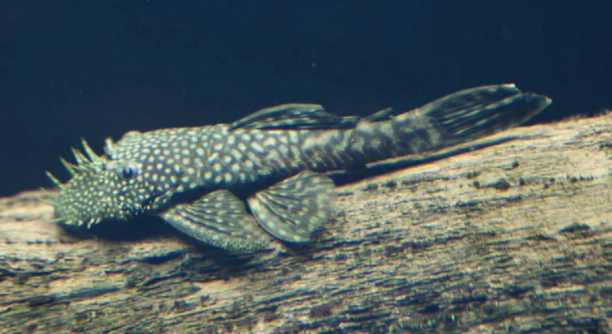
For first-time pleco owners, knowing the basics can make a big difference. Plecos are popular freshwater fish known for their algae-eating habits, but caring for them involves more than simply adding them to the tank.
Proper care for plecos requires understanding their specific needs. They need a spacious tank with good filtration, a variety of food, and stable water conditions. Ensure their tank includes hiding spots and keep the water temperature consistent for their well-being.
By understanding these essential requirements, you can help your pleco thrive in a healthy environment. The following tips will guide you through the basics of setting up the perfect tank for your new companion.
Tank Size and Setup
Plecos are known to grow quite large, depending on the species. The minimum tank size should be at least 75 gallons to accommodate their size as they grow. A tank this size will give them enough space to swim and move around comfortably. Ensure that the tank has a lid, as plecos can jump, especially when they feel stressed. When setting up the tank, it’s important to consider the environment that mimics their natural habitat. Plecos prefer slow-moving waters and a tank with smooth surfaces, driftwood, and rocks where they can hide and rest.
It’s crucial to have a high-quality filtration system in place. Plecos produce a significant amount of waste, so an efficient filter is necessary to maintain good water quality. A filter rated for a tank that’s larger than yours is recommended, as it will ensure proper circulation and keep the water clear.
For plecos to feel at ease, you must maintain clean water with a stable temperature. Invest in a reliable heater to keep the water between 74°F and 80°F. Regular water changes are essential to maintain a healthy environment for your fish.
Water Quality
Maintaining good water quality is vital for the health of plecos. They require clean water with the right levels of pH, hardness, and temperature. Regular testing of the water will help ensure these parameters stay in the optimal range.
When monitoring water quality, focus on keeping ammonia and nitrite levels at zero. High levels of these compounds can be harmful and cause stress. Regular water changes, about 25% every week, will help keep the levels in check. Additionally, consider adding live plants to the tank. Not only do they provide additional hiding spots, but they also help maintain the water’s quality by absorbing excess nutrients.
Plecos also benefit from a stable environment. Avoid making frequent changes to the water’s temperature or pH levels, as this can cause stress. With these steps, you’ll ensure that your pleco remains healthy and happy in its new home.
Feeding Plecos
Plecos are mostly herbivores, but they can occasionally eat protein-rich foods like shrimp or worms. Provide a varied diet to keep them healthy. Algae wafers, fresh vegetables, and spirulina are great options. You can feed them once a day, but be mindful not to overfeed, as this can cause water pollution.
Fresh vegetables such as zucchini, cucumber, and spinach should be added to their diet. Make sure to remove any uneaten food after a few hours to prevent it from decaying in the tank. Some plecos may be picky about their food, so observe what they prefer and adjust their meals accordingly.
Adding different types of algae-based food and occasional protein will help to ensure that your pleco receives all the necessary nutrients. Avoid feeding them too much at once, as they don’t need large portions. Overfeeding can quickly result in poor water quality, which can be harmful to both the pleco and other tank inhabitants.
Tankmates
Choosing the right tankmates for your pleco is crucial. They are generally peaceful but can be territorial, especially when it comes to hiding spots. Avoid placing aggressive or overly active fish with your pleco. Species like tetras, guppies, and peaceful bottom dwellers can make suitable companions.
It’s essential to consider the size and temperament of potential tankmates. Larger fish or those that may compete for food can cause stress for your pleco. Furthermore, because plecos can be quite solitary, it’s wise to limit the number of tankmates to avoid overcrowding. A balance of space and companionship will keep your pleco comfortable.
Some tankmates, like shrimp or small fish, may be at risk of becoming prey. Keep an eye on interactions and monitor behavior, especially if introducing new fish into the tank. If in doubt, it’s best to stick to peaceful, small species that won’t cause harm to your pleco.
Tank Maintenance
Regular tank maintenance is key to keeping your pleco healthy. Clean the tank walls, remove any debris, and check the filtration system frequently. Plecos are sensitive to dirty environments, so consistency in cleaning will help maintain water quality.
Change 20-25% of the water every week to keep ammonia and nitrite levels low. It’s also essential to clean the filter regularly, ensuring it doesn’t get clogged. Over time, waste and uneaten food can build up, affecting water quality. Stay on top of tank maintenance, and your pleco will thrive in a clean, stable environment.
Lighting
Plecos generally prefer dim lighting. They are nocturnal creatures, often becoming more active at night. Avoid bright lights that may stress your pleco. A gentle lighting setup will help them feel secure during the day and allow them to rest properly.
Some plecos can adapt to brighter lighting if necessary, but it should be used in moderation. If you have live plants in the tank, consider lighting that benefits both plants and plecos. Ensure the tank gets some darkness at night to mimic their natural resting habits.
Pleco Health
Plecos are relatively hardy but still prone to a few common health issues. Watch for signs of stress, such as lack of appetite, lethargy, or unusual swimming patterns. These could indicate poor water quality or an underlying disease.
It’s important to monitor your pleco regularly. If you notice any changes in behavior, address potential causes immediately. Poor water conditions, overfeeding, or an incorrect tank setup can all contribute to health problems. Make sure your pleco’s environment is always clean, and take quick action if you notice signs of illness.
FAQ
How big do plecos get?
Plecos can grow quite large, with some species reaching up to 24 inches in length. The size depends on the type of pleco you have. For example, common plecos can grow to around 18 inches, while other species, like the bristlenose pleco, tend to stay smaller. It’s important to account for their size when choosing a tank, as they need space to swim comfortably.
Do plecos need a heater?
Yes, plecos require a stable temperature to thrive. Most species of plecos prefer water between 74°F and 80°F. While some plecos can tolerate slightly cooler or warmer temperatures, maintaining a consistent range with a heater is recommended. A reliable aquarium heater will help keep the water temperature stable, which is essential for their health.
Can plecos live with other fish?
Generally, plecos can live with other peaceful species. They are bottom-dwellers and will stay out of the way of fish that occupy the middle or top of the tank. However, you should avoid pairing them with aggressive or territorial fish. Smaller tankmates, such as tetras or guppies, are ideal.
How often should I feed my pleco?
Feeding your pleco once a day is usually enough. Provide a variety of foods like algae wafers, fresh vegetables, and some protein occasionally. Ensure that uneaten food is removed after a few hours to prevent it from decaying in the tank. Overfeeding can lead to poor water quality.
Do plecos need live plants?
While not absolutely necessary, live plants can be beneficial in a pleco’s tank. They help improve water quality by absorbing excess nutrients and provide hiding spots for your pleco to feel more secure. Plecos tend to eat algae, but adding plants like java fern or anubias can create a more natural environment.
What is the best tank setup for a pleco?
A 75-gallon tank is the minimum size recommended for most plecos, especially as they grow larger. The tank should have a good filtration system, as plecos produce a lot of waste. Adding smooth rocks, driftwood, and plants will create a comfortable and natural habitat for your pleco.
Why is my pleco hiding all the time?
Hiding is a common behavior for plecos, especially during the day when they are less active. Plecos are nocturnal, so they tend to rest and hide during the daylight hours. If your pleco is hiding at night as well, it may be stressed or unwell. Check water conditions, and monitor their behavior for any signs of illness.
Can plecos live alone?
Plecos can live alone, and many prefer it. They are solitary fish and don’t necessarily need tankmates. In fact, having too many fish can cause stress, especially in smaller tanks. Ensure your pleco has enough hiding spots to feel secure, and they will be content on their own.
How can I tell if my pleco is sick?
Look for signs like a loss of appetite, abnormal swimming patterns, or changes in the appearance of their skin. White spots, lesions, or cloudy eyes can also indicate disease. If you notice any of these symptoms, test the water quality, as poor conditions are often the cause. If symptoms persist, consider consulting a vet or fish expert.
Do plecos need special lighting?
Plecos are generally not fond of bright lights. Since they are nocturnal, they prefer dim or low lighting during the day. A gentle light will allow them to feel safe, while still being able to observe their environment. It’s essential to provide some darkness at night for their rest cycle.
How do I prevent overfeeding my pleco?
Overfeeding is a common issue. Plecos don’t need large meals, and excess food can pollute the tank. Offer small portions of food once a day, and remove any uneaten food after a few hours. You may also try feeding them at night when they are most active, ensuring they consume what is offered.
How long do plecos live?
The lifespan of a pleco varies by species. On average, plecos can live anywhere from 10 to 15 years with proper care. Providing a clean tank, a balanced diet, and stable water conditions will help them reach their full lifespan. Regular tank maintenance and health monitoring are key.
Do plecos need a filter?
Yes, plecos need a good filtration system in their tank. They produce a significant amount of waste, so a strong filter is necessary to maintain water quality. Ensure that the filter is rated for a tank larger than yours to handle the increased load from the pleco’s waste. Regularly clean and replace the filter media to keep things running smoothly.
Can plecos breed in a tank?
While plecos can breed in captivity, it’s not always easy. Most species need specific conditions, such as caves or certain water temperatures, to trigger breeding. Additionally, plecos are egg layers, and the eggs require a secure environment to hatch. If you are interested in breeding plecos, ensure you research the specific species and provide the right conditions.
Final Thoughts
Caring for a pleco is a rewarding experience, but it requires commitment and attention to detail. Plecos are hardy fish, but they still need a proper environment to thrive. Their size, water conditions, and diet must all be carefully managed to ensure they stay healthy. Regular tank maintenance, proper feeding routines, and monitoring water quality will go a long way in preventing problems and helping your pleco live a long life. If you’re prepared to provide these essentials, your pleco will grow to be a wonderful addition to your aquarium.
While plecos are generally easy to care for, they do have specific needs that should not be overlooked. Tank size, water temperature, and filtration are key to their well-being. Overfeeding is a common issue, so it’s important to only offer the right amount of food and remove uneaten portions. With the right setup and routine, plecos are relatively low-maintenance, but they do require a clean and stable environment. It’s also important to remember that plecos are nocturnal, so understanding their behavior and activity patterns will help ensure they are comfortable in their tank.
Ultimately, being a responsible pleco owner comes down to knowing their basic needs and providing for them. Whether you’re a first-time owner or have had plecos before, keeping their tank clean, monitoring their health, and ensuring a balanced diet will help your pleco live its best life. By paying attention to the small details, you can enjoy a healthy and active pleco for many years to come. The key is consistency and care, and with that, your pleco will surely flourish.

Hello,
If you enjoy the content that we create, please consider saying a "Thank You!" by leaving a tip.
Every little bit helps us continue crafting quality advice that supports the health, happiness, and well-being of pets around the world, for pets of all shapes, sizes, and species.
We really appreciate the kindness and support that you show us!