
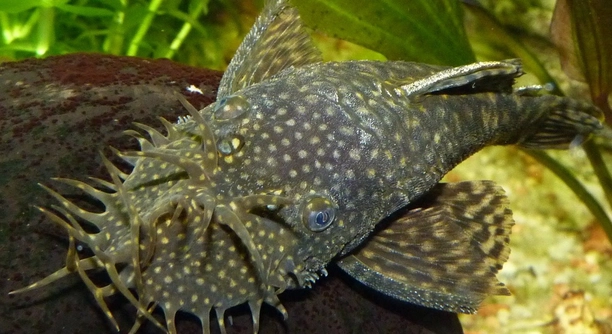
Plecos are fascinating fish with behaviors that may seem unusual to some. Observing their habits can lead to better understanding and care. Many of their actions can surprise owners, but they are often completely harmless and part of their natural routine.
Plecos exhibit a variety of unique behaviors that are safe and normal, including sticking to surfaces, burying themselves in substrate, and grazing on algae. These actions help them maintain health, comfort, and stability in their environment.
Understanding these behaviors will ensure your pleco’s well-being and enhance your aquarium experience. It’s essential to observe their habits closely for a healthier aquatic environment.
Understanding Pleco Surface-Sticking Behavior
Plecos are known for their tendency to cling to surfaces in their tanks, including glass, rocks, and driftwood. This behavior is part of their natural instincts to secure themselves in place, especially in strong currents. In the wild, plecos often latch onto rocks or underwater structures to avoid being swept away by the current. In a tank, this action gives them a sense of stability and security. It also provides an ideal spot to graze on algae and other micro-organisms that grow on these surfaces.
While surface-sticking is perfectly normal, it can sometimes worry tank owners. However, this behavior is generally harmless, and it’s a sign that the pleco feels comfortable in its environment. Over time, plecos will often grow accustomed to their surroundings and may display this behavior more frequently.
If your pleco spends too much time on the glass, it’s essential to ensure the tank environment is conducive to their health. The tank’s surface, decorations, and overall habitat should allow for easy access to algae and other food sources.
Plecos Hiding in Substrate
Sometimes, plecos may bury themselves into the substrate of the tank. This can seem odd, but it’s actually a way for them to feel safe. Hiding in the substrate provides the pleco with a retreat where it can rest and escape from any perceived threats.
Plecos are nocturnal creatures, which means they are more active at night. During the day, they often find comfort in hiding, especially in areas where they can partially bury themselves. The behavior also helps them regulate their body temperature and gives them a sense of privacy, which is important for their well-being. A thick layer of substrate allows them to dig and find a comfortable spot to rest.
Make sure the substrate is deep enough to allow your pleco to burrow comfortably. Offering different types of substrate, such as fine sand or small gravel, can give your pleco more options to feel at ease.
Pleco Grazing on Algae
Plecos are well-known for grazing on algae, and this is one of their primary food sources in both wild and tank environments. They have specialized mouths that help them scrape algae off surfaces. This natural behavior helps keep the aquarium clean and promotes overall health by preventing algae overgrowth.
While they are excellent at managing algae, plecos should not rely solely on it for nutrition. A varied diet, including sinking pellets and vegetables, will ensure they receive all the nutrients they need. Providing supplemental food will keep them healthy and prevent malnutrition.
Monitoring the amount of algae in your tank is essential, as overgrowth can sometimes harm the pleco’s well-being. Keeping algae under control and offering additional food options will ensure your pleco thrives in its environment.
Plecos Using Their Fins to Explore
Plecos have large, strong pectoral fins that they use to help them explore their tank. These fins are not only used for swimming but also for navigating around their environment. Plecos are bottom dwellers, and they often use their fins to help them move across surfaces or investigate new areas of the tank.
Their unique ability to use fins for more than just propulsion is essential for their survival. When plecos are in tanks with various structures, such as rocks or plants, they will rely on their fins to stabilize themselves and get to hard-to-reach places. This is a natural behavior that helps them feel secure while exploring their habitat.
These fins also help plecos stay upright, especially when feeding or hiding. It’s important to provide them with different surfaces to interact with, as this will encourage their natural behaviors and help them feel comfortable.
Pleco Venturing Into the Filter
Plecos are curious creatures, and they sometimes venture into the aquarium filter. This behavior is linked to their search for food or a comfortable resting spot. Filters often have a flow of water, which can attract them as they enjoy the gentle current.
While this behavior is common, it can be dangerous if the pleco gets stuck or injured by the filter. It’s important to regularly check the filter and ensure that the pleco can easily move around it without getting caught. Providing alternative hiding spots can help reduce the need for them to explore dangerous areas.
Plecos Creating a Mess with Food
Plecos are known to be messy eaters, especially when it comes to sinking pellets or vegetables. They tend to scatter food around the tank, often making it difficult to keep the tank clean. This behavior is natural, as plecos are bottom feeders, and they may not eat all the food right away.
It’s essential to monitor the amount of food you feed them to avoid overfeeding and excess waste in the tank. Additionally, offering food in a controlled manner, like using a feeding dish, can reduce the mess. Keeping the tank clean will ensure your pleco remains healthy and happy.
Plecos Spreading Mulm
Mulm refers to the organic debris that builds up on the tank’s bottom. Plecos, being bottom dwellers, sometimes spread this mulm around the tank while foraging. It’s a normal behavior, as they sift through substrate in search of food.
While this can help stir up the substrate and make it more oxygenated, too much mulm can lead to poor water quality. Regular water changes and substrate cleaning will help prevent this from becoming a problem. Ensuring proper filtration will also keep the water quality at optimal levels for your pleco’s health.
FAQ
Why do plecos cling to surfaces?
Plecos cling to surfaces as a natural behavior for stability. In the wild, they secure themselves to rocks or other structures to avoid being swept away by strong currents. In an aquarium, plecos do the same to feel safe and secure, especially when there’s strong water movement. This behavior helps them stay in one place while feeding on algae or other microorganisms on surfaces. It is a completely normal and harmless action that also provides comfort to the pleco, ensuring they feel secure in their environment.
How can I tell if my pleco is healthy?
A healthy pleco shows active behavior, such as grazing on surfaces and exploring their tank. They should have clear, unclouded eyes and smooth skin without visible injuries. A healthy pleco’s fins will be undamaged and actively used to navigate through the tank. Their appetite will be strong, and they will regularly feed on algae or any additional food provided. If your pleco shows signs of lethargy, loss of appetite, or any visible damage to its body, it may be an indication of stress or illness. It’s essential to observe their behavior closely and make any necessary adjustments to their environment.
Is it normal for plecos to hide during the day?
Yes, plecos are nocturnal creatures. They tend to rest during the day, seeking refuge in plants, substrate, or other hiding spots in the tank. This is entirely natural and a way for them to feel secure. At night, plecos become more active and may emerge to graze on algae or explore their surroundings. Providing adequate hiding places is essential for their well-being. If your pleco hides often, it’s likely just following its natural instincts. However, ensure the tank’s conditions, such as water quality, are optimal, as a stressed pleco may hide more than usual.
Do plecos need a large tank to be happy?
Plecos can grow quite large, depending on the species, so it’s essential to provide them with ample space to thrive. While small plecos might do fine in a smaller tank, larger species require a tank with plenty of room to move around and explore. A tank size of at least 30 gallons is generally recommended for smaller plecos, while larger species may require 75 gallons or more. A properly sized tank helps to maintain good water quality and allows for better oxygenation. Having space to swim and explore also helps plecos feel more comfortable and secure in their environment.
What should I feed my pleco?
Plecos are primarily herbivores and thrive on a diet of algae, but they also enjoy other plant-based foods. You can feed your pleco sinking pellets, algae wafers, and blanched vegetables like zucchini, cucumber, and spinach. It’s important to supplement their diet with these options to ensure they receive adequate nutrition. In addition to these plant-based foods, some species of plecos may also consume small amounts of protein, such as brine shrimp or bloodworms. However, their diet should be predominantly plant-based to meet their dietary needs.
Can plecos live with other fish?
Plecos are generally peaceful and can coexist with other fish species in a community tank. However, their large size and bottom-dwelling habits can lead to territorial behavior. It’s best to pair plecos with other peaceful, non-aggressive fish that occupy different areas of the tank. Avoid placing them with fish that are too small, as plecos may accidentally injure them while foraging. Additionally, plecos can sometimes display aggressive behavior toward other plecos, especially if the tank is overcrowded. It’s important to consider the tank’s size and species compatibility when choosing tankmates for your pleco.
Why is my pleco spending so much time near the filter?
Plecos are attracted to the filter area because they enjoy the current created by the filter’s water flow. This behavior is entirely normal, as plecos naturally seek water movement to help them feel secure. The current helps them stabilize and can also stimulate their natural behavior of grazing on surfaces in the water. If your pleco is spending a lot of time near the filter, it could be because they enjoy the gentle flow, or they might be searching for food particles that gather near the filter. As long as the pleco is not getting stuck or struggling to navigate around the filter, this behavior is nothing to worry about.
How do I clean my pleco’s tank?
Maintaining a clean tank is important for your pleco’s health. Regular water changes (around 25-30% every 1-2 weeks) will help keep the water quality high and remove excess waste. It’s also essential to clean the substrate using a gravel vacuum to remove uneaten food, debris, and mulm. Pay attention to the filter, as plecos can sometimes drop food particles that accumulate in the filter area. Clean the filter media every few weeks, ensuring not to remove all of it at once, as beneficial bacteria live there. Lastly, clean any decorations or surfaces where algae or waste build up.
Can plecos live in freshwater or saltwater?
Plecos are freshwater fish and should only be kept in freshwater aquariums. They are not suited for saltwater environments, as they cannot tolerate high salinity. Keeping a pleco in saltwater can lead to health problems or death. Ensure the water parameters, including pH, hardness, and temperature, are suitable for freshwater fish. Freshwater conditions help your pleco remain healthy and thrive. Be sure to check the water quality regularly and adjust as necessary to maintain the right environment for your pleco.
Why is my pleco scratching against objects in the tank?
Scratching or rubbing against objects can be a sign of irritation, possibly caused by parasites or poor water quality. It’s a behavior that often indicates the pleco is trying to relieve discomfort. It could be due to external parasites, such as Ich, or skin infections that require treatment. Poor water conditions can also stress your pleco, leading to scratching as they attempt to soothe themselves. If you notice this behavior, perform a water change and ensure the water parameters are within the correct range. It’s also worth observing your pleco for any visible signs of illness, such as lesions or discoloration. If symptoms persist, seek advice from an aquarium specialist or vet.
Final Thoughts
Understanding pleco behavior is essential to ensuring they stay healthy and happy in your aquarium. These fish have unique habits, like exploring filters and hiding during the day, that are natural and part of their instincts. By observing their behavior closely, you can learn how to support their needs and keep them comfortable in your tank. It’s important to keep their environment clean and provide enough space for them to thrive. Regular maintenance, such as water changes and tank cleaning, will help prevent any health issues from arising and keep your pleco active and stress-free.
While plecos are generally peaceful creatures, they can display territorial behavior or act differently depending on the species. They require a proper diet that includes both plant-based foods and occasional protein. Feeding them the right foods will help them grow strong and stay healthy. Keep in mind that plecos are bottom-dwelling fish, so they might make a mess while feeding, and it’s important to maintain good water quality to avoid problems. It’s also essential to offer them hiding places, as plecos enjoy having a place to retreat, especially during the daytime.
Finally, remember that every pleco is different, and their behavior can vary depending on factors like species, environment, and tank mates. By providing them with a stable environment, appropriate food, and enough space to roam, you’ll help your pleco live a long and healthy life. If you ever notice signs of illness or changes in behavior, it’s always a good idea to consult an expert or check your tank’s conditions. Taking care of your pleco’s specific needs will ensure that it remains an enjoyable addition to your aquarium for years to come.

Hello,
If you enjoy the content that we create, please consider saying a "Thank You!" by leaving a tip.
Every little bit helps us continue crafting quality advice that supports the health, happiness, and well-being of pets around the world, for pets of all shapes, sizes, and species.
We really appreciate the kindness and support that you show us!