
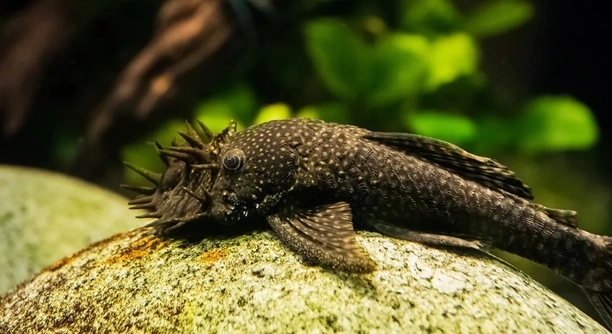
A pleco is a popular fish species in many home aquariums, known for its algae-eating habits. However, keeping a pleco requires proper space for them to thrive. A tank that is too small may lead to several issues.
If your pleco’s tank is too small, it may experience stunted growth, poor health, and increased stress. These factors can lead to behavioral problems and a shorter lifespan. Ensuring an appropriately sized tank is essential for your pleco’s well-being.
Understanding the signs of an overcrowded tank is essential to maintaining a healthy environment for your pleco. This article will highlight key clues to look for when assessing whether your pleco’s tank needs to be upgraded.
Tank Size vs. Pleco Growth
When it comes to plecos, tank size plays a major role in their growth. Plecos can grow quite large, depending on the species, sometimes reaching up to 24 inches in length. If your pleco’s tank is too small, it may struggle to reach its full potential. They need ample space to swim and explore, and a cramped environment can result in stunted growth. Inadequate space can also make it difficult for your pleco to access the necessary resources, such as food and hiding spots, contributing to stress and poor health.
If the tank is too small, the pleco may become visibly smaller than expected for its age. Additionally, it may seem sluggish and spend more time hiding. These signs are often indicators that the tank is not providing the environment it needs to thrive.
A pleco that does not have enough space may become increasingly stressed, and this can lead to weakened immune systems and other health issues. This is why it is crucial to provide the right tank size, with plenty of swimming space for your pleco to grow.
Water Quality Issues
Water quality is significantly impacted by tank size. In a smaller tank, waste and toxins can build up quickly, leading to poor water conditions. Plecos are sensitive to water quality, and improper filtration in a cramped tank can cause issues like cloudy water or high ammonia levels. These environmental stresses can lead to an unhealthy pleco that is more prone to diseases.
If your pleco is showing signs of illness or unusual behavior, it might be due to the lack of space to maintain proper water filtration. Larger tanks offer better filtration options and a more stable environment for your pleco to flourish. Without sufficient water flow, debris can accumulate and create an unsafe habitat for your fish.
Plecos are also known for producing a significant amount of waste. In smaller tanks, this waste accumulates quickly, resulting in poor water conditions. A larger tank allows for more room to properly filter and maintain the water quality, contributing to your pleco’s overall health and well-being.
Stress and Behavior Problems
When a pleco is confined to a small tank, stress levels rise. This stress can manifest in various behavioral problems, such as excessive hiding or aggression toward tank mates. The lack of space to swim freely can make your pleco feel trapped, leading to unhealthy stress responses.
Stress can negatively affect your pleco’s immune system, making it more vulnerable to diseases. You might notice your pleco scraping itself against objects in the tank, or becoming lethargic. This behavior is often linked to discomfort from overcrowding. Plecos need space to explore, and if they can’t, their stress will only worsen.
The smaller the tank, the higher the chances of your pleco becoming overly stressed. Over time, this stress can cause physical damage, such as fin rot or skin abrasions. These conditions may take longer to heal in a confined space, making it harder for your pleco to recover.
Feeding Issues
A small tank limits the pleco’s access to food, as it doesn’t have the room to forage as it would in a larger environment. Plecos are primarily algae eaters, but they also benefit from a varied diet of vegetables and sinking pellets. In a small tank, the limited space can make it hard for them to find food.
If your pleco’s tank is overcrowded with other fish, food might be consumed too quickly, leaving your pleco hungry. A lack of food can lead to malnutrition and poor growth. With more space, the food can spread out, ensuring your pleco gets the nutrients it needs.
Another issue that arises in smaller tanks is food waste. When food is not eaten quickly enough, it can rot in the tank, causing water quality problems. If the pleco struggles to find enough food, it may become malnourished or unhealthy. A larger tank gives it more opportunities to find food and maintain a balanced diet.
Aggression Toward Tank Mates
In a cramped tank, plecos may become territorial and aggressive, especially when they feel they don’t have enough space to themselves. This behavior is more likely to occur when other fish are present. Plecos can become stressed when they feel crowded.
When plecos are stressed, they may display aggressive behaviors such as chasing or nipping at other fish. This can lead to injuries and conflicts within the tank. A larger tank offers enough space to reduce these territorial disputes.
In smaller tanks, the lack of space can cause even peaceful fish to act out, as they compete for limited resources. A larger tank reduces these issues, allowing your pleco and other tank mates to coexist peacefully.
Oxygen Levels
As tank size decreases, the oxygen levels in the water also become more difficult to maintain. Smaller tanks have less water volume, meaning oxygen gets depleted faster. Plecos need oxygen-rich water to stay healthy, and if there isn’t enough, they may suffer from respiratory issues.
Inadequate oxygen levels can cause plecos to become sluggish, and they may spend more time near the surface of the tank trying to breathe easier. Ensuring your pleco has a well-oxygenated tank is critical to its health. A larger tank will allow for better circulation, ensuring your pleco gets the oxygen it needs.
Tank Filtration
The filtration system is essential in any tank, but it becomes even more important in smaller tanks. In a small tank, waste and toxins build up much faster, overwhelming the filtration system. This can cause an increase in harmful bacteria and poor water quality. Proper filtration helps to maintain a clean and healthy environment for your pleco.
A large tank, on the other hand, allows for better filtration options and more space for water to circulate. In these conditions, the filtration system can work efficiently, keeping the water clean and oxygenated. For plecos, a proper filtration system is essential to support their health.
FAQ
What size tank is best for a pleco?
The ideal tank size for a pleco depends on the species, but as a general rule, a 75-gallon tank is recommended for most types. Larger plecos, such as the common pleco, can grow to 18-24 inches, and they need space to swim comfortably. Smaller species may require less space, but it’s still crucial to give them enough room to grow and thrive. A larger tank helps maintain better water quality and reduces stress.
Can a pleco live in a 20-gallon tank?
While some smaller species of plecos, like the bristlenose pleco, can live in a 20-gallon tank, it’s not ideal for larger plecos. A 20-gallon tank limits the pleco’s space to swim and may cause stunted growth or stress. If you plan on keeping a pleco in a smaller tank, it’s important to choose a species that is smaller and won’t outgrow the space quickly.
How do I know if my pleco is stressed?
Stressed plecos may display signs such as hiding more than usual, swimming erratically, or refusing to eat. They may also scrape their bodies against rocks or the tank’s surface, which could indicate discomfort. Stress can be caused by factors like poor water quality, insufficient space, or incompatible tank mates. If you notice these signs, it’s important to check your tank size, water conditions, and the overall environment for any issues.
What is the minimum size tank for a pleco?
The minimum tank size for a pleco depends on the species, but for most plecos, a 40-gallon tank is considered the bare minimum. This is suitable for smaller species, but larger plecos need much more space. If you plan to keep a pleco in a smaller tank, you must be ready for regular maintenance and water quality checks to ensure the fish remains healthy.
Can I keep more than one pleco in the same tank?
It’s possible to keep more than one pleco in the same tank, but it depends on the species and the tank size. Plecos can be territorial, and keeping multiple plecos in a small tank can lead to aggression. If you want to keep more than one pleco, it’s best to provide a large tank, ideally over 100 gallons, and ensure plenty of hiding spots. If you choose different species, some are more compatible than others.
Why is my pleco staying at the top of the tank?
If your pleco is staying at the top of the tank, it could be due to several factors. First, it may be a sign of low oxygen levels in the tank, as plecos naturally seek oxygen-rich areas. Another reason could be poor water quality or a need for more hiding spots. If the tank is too small, the pleco may feel stressed and seek comfort near the surface. Regular water changes and ensuring proper aeration can help resolve this issue.
How often should I clean my pleco’s tank?
Plecos produce a significant amount of waste, and regular tank maintenance is essential to maintain a healthy environment. You should clean your pleco’s tank at least once a week, doing partial water changes of 20-30%. In smaller tanks, you may need to clean more frequently, as waste can accumulate faster. Be sure to clean the substrate, remove any uneaten food, and check the filter to keep water quality high.
Can plecos live with other fish?
Yes, plecos can live with other fish, but compatibility depends on the species of pleco and the other tank mates. Plecos are generally peaceful, but they may become territorial if they feel crowded. They also need a lot of hiding spots and space to swim freely. It’s best to keep them with other calm, non-aggressive fish and avoid placing them with species that might compete for food or space.
Do plecos need a filter?
Yes, plecos need a filter to maintain good water quality. Plecos are messy eaters and produce a lot of waste, which can quickly affect the water. A good filtration system helps remove excess waste and maintain stable water conditions. In small tanks, it’s especially important to use a filter capable of handling the waste load to keep the water clean and oxygenated.
Can a pleco survive without algae in the tank?
While plecos are known for eating algae, they cannot survive solely on algae. A pleco’s diet should include algae, vegetables, and sinking pellets. Algae alone isn’t enough to meet their nutritional needs. In tanks with little algae, you should provide supplemental food such as zucchini, spinach, and specially formulated pleco pellets to ensure they receive a balanced diet.
Why is my pleco hiding all the time?
Hiding is common behavior for plecos, especially if they are feeling stressed or insecure. They may hide more if they don’t feel comfortable in the tank, if there are aggressive tank mates, or if the water quality is poor. Providing plenty of hiding spots, such as caves or plants, and maintaining stable water conditions can help reduce hiding behavior.
Do plecos need a heater in their tank?
Plecos are tropical fish, so they require a heater to maintain a stable water temperature. Most plecos thrive in water temperatures between 72°F and 80°F (22°C – 27°C). A consistent water temperature is important for their health, and sudden temperature changes can cause stress or illness. Be sure to monitor the water temperature regularly to keep it within the ideal range.
Final Thoughts
A pleco can be a great addition to your aquarium, but it’s essential to consider their space requirements. These fish grow large and need room to swim, which is why providing an appropriate tank size is crucial for their well-being. While a 75-gallon tank is ideal for most plecos, smaller species can thrive in tanks that are a bit smaller. Still, it’s important to understand that a cramped space leads to stress, which can affect their health and behavior. A larger tank not only offers more space but also improves the overall water quality and oxygen levels, which are vital for your pleco’s health.
In addition to the tank size, it’s also important to maintain the environment by ensuring proper filtration and regular water changes. Plecos are known to produce a lot of waste, so their tank needs good filtration to prevent the water from becoming polluted. Small tanks, in particular, require more frequent maintenance because they can’t handle waste as efficiently as larger tanks. Regular water testing, along with appropriate filtration, can keep the tank’s environment healthy and help your pleco thrive. A stable and clean environment is key to preventing issues like aggression or poor health.
Lastly, always be mindful of tank mates and other factors like temperature and diet. Plecos are generally peaceful, but they can become territorial in smaller spaces, especially when they are stressed. Choosing compatible fish for your tank and providing enough hiding spots can prevent aggression. A balanced diet is also essential, as plecos cannot survive on algae alone. By providing a variety of foods and keeping the tank environment healthy, you ensure that your pleco lives a long, happy life. With the right tank size, maintenance, and care, your pleco can thrive in your aquarium.

Hello,
If you enjoy the content that we create, please consider saying a "Thank You!" by leaving a tip.
Every little bit helps us continue crafting quality advice that supports the health, happiness, and well-being of pets around the world, for pets of all shapes, sizes, and species.
We really appreciate the kindness and support that you show us!