
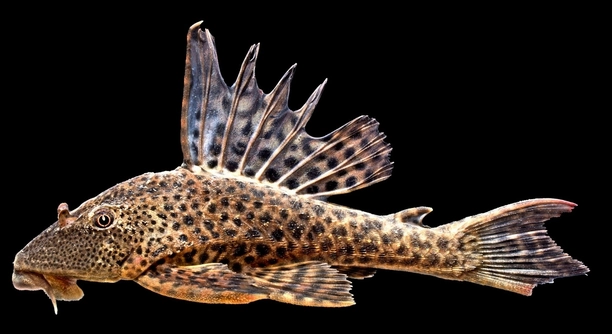
Setting up a Pleco tank can require specific equipment to maintain water quality. Many aquarists wonder if a sump system is beneficial for such setups. Understanding the right filtration methods can help create the ideal environment for your Pleco.
A sump system can be an excellent addition to a Pleco tank. It provides additional filtration, increased water volume, and better space management for equipment. A sump also helps stabilize water parameters, making it a reliable option for maintaining a healthy aquarium.
With the right setup, your Pleco can thrive in a well-maintained environment. There are key factors to consider before integrating a sump into your tank setup.
Why Choose a Sump for Your Pleco Tank?
A sump can significantly improve the filtration and overall water quality in your Pleco tank. It works by circulating water through multiple chambers, each designed to handle specific filtration tasks like mechanical, chemical, and biological filtration. This not only helps keep the water clean but also allows you to hide equipment like heaters and protein skimmers, making the tank look more natural. Additionally, the increased water volume from a sump helps stabilize water temperature and pH levels, which are crucial for Plecos.
A sump also offers more space for beneficial bacteria to grow, aiding in the breakdown of organic waste. This helps to keep ammonia and nitrite levels low, which is essential for your Pleco’s health. The larger water volume in a sump system can help reduce the frequency of water changes, making maintenance easier and less frequent.
Setting up a sump requires proper planning to ensure it fits in with the tank’s design. Some aquariums may need a custom stand to support the extra equipment, and you’ll need to consider the placement of pipes and the sump itself. However, the benefits of a sump far outweigh the initial setup time and cost.
Benefits Beyond Filtration
With a sump, your Pleco tank benefits from not just cleaner water but more stability overall. The system adds extra volume to your tank, which can be crucial in handling larger fish.
How a Sump Improves Water Quality
A sump helps maintain better water quality by offering multi-stage filtration. It separates debris from the water, removes toxins, and reduces excess nutrients. This system can greatly improve the overall health of your Pleco tank, keeping the water clean and clear.
The sump’s ability to provide more space for filtration also ensures better biological filtration. Beneficial bacteria thrive in the sump, breaking down waste more efficiently. This helps control ammonia and nitrite levels, which are toxic to fish if left unchecked. As a result, your tank stays healthier, with less frequent water changes needed.
Not only does a sump provide additional filtration, but it also stabilizes the environment. With more water volume, it becomes easier to regulate temperature and pH levels. This consistency is essential for Plecos, as sudden changes in water quality can stress them out.
Considerations Before Installing a Sump
Before installing a sump, consider your tank’s size and layout. You’ll need enough space under the tank to house the sump and plumbing. Measure carefully to ensure that the sump fits properly, leaving room for necessary adjustments.
The installation process involves setting up the plumbing system, ensuring that the water flows smoothly between the tank and the sump. It’s important to choose high-quality pumps and seals to avoid leaks or pump failure. Regular maintenance is also necessary to keep the system functioning properly. This includes cleaning filters and checking for blockages.
How a Sump Affects Tank Aesthetics
A sump can improve the look of your Pleco tank by hiding equipment. With the filtration and heaters moved to the sump, the tank itself appears cleaner and more natural. You’ll have more space for decorations and plants.
Instead of bulky filters taking up tank space, a sump hides them, giving your Pleco tank a more organized, open feel. The extra space allows you to add more aquascaping elements, improving the overall aesthetic. The water surface remains undisturbed, allowing your Plecos to move freely and naturally.
Maintenance Considerations
A sump requires regular maintenance to function properly. Cleaning the filter media, checking for clogs, and inspecting the pump are essential tasks to prevent malfunctions. Neglecting maintenance can lead to a decrease in water quality, which can stress your Pleco.
Be sure to monitor the sump’s water level regularly. As water evaporates from the main tank, it might cause the sump to run dry. Maintaining the water level will ensure the system runs smoothly and helps avoid pump damage.
Sump Alternatives for Pleco Tanks
If a sump isn’t suitable for your setup, consider other filtration options. Canister filters are a compact alternative that can offer strong mechanical and biological filtration. They take up little space in the tank, keeping your setup clean and efficient.
Another alternative is a hang-on-back filter, which can be placed on the tank’s edge. While not as effective as a sump, it can still provide adequate filtration, especially for smaller tanks.
FAQ
Can a sump handle large Plecos?
Yes, a sump can be ideal for larger Plecos due to its ability to handle higher water volumes and provide more filtration. The additional water capacity helps maintain stable water conditions, which is crucial for large fish like Plecos. The extra space in the sump also allows for larger filters and better biological filtration, supporting the waste load generated by bigger fish.
How often do I need to clean my sump?
You should clean your sump every 1-2 months, depending on your tank’s bio-load and water quality. Clean the filter media regularly to prevent clogging, and inspect the pump and pipes for any debris. Skimmers and protein filters, if present, should also be cleaned often. Checking for any blockages is key to ensuring proper flow and preventing equipment failure.
Do I need to add live plants to my sump?
Adding live plants to a sump isn’t necessary, but it can be beneficial. Plants in the sump can help absorb excess nutrients, which improves water quality. They also provide additional biological filtration by promoting healthy bacterial growth. If you choose to add plants, ensure they receive adequate light and nutrients.
Can I use a sump in a small Pleco tank?
A sump can be used in smaller Pleco tanks, but it’s not always necessary. For tanks under 30 gallons, simpler filtration options like a hang-on-back filter or canister filter may be more practical. Sumps are better suited for larger tanks, where the extra filtration and water volume are needed.
Will a sump reduce the frequency of water changes?
Yes, a sump can reduce the frequency of water changes by increasing the tank’s water volume and improving filtration. This helps maintain stable water parameters for longer, meaning you won’t need to change the water as often. However, regular monitoring of water parameters is still essential.
How do I set up the plumbing for a sump?
Setting up plumbing for a sump requires careful planning. You’ll need a return pump to push water back into the tank and an overflow system to drain water into the sump. Use flexible tubing to connect the overflow box to the sump, ensuring no leaks. Ensure that all connections are sealed tightly to avoid water loss.
What’s the best type of sump pump to use?
The best type of sump pump depends on your tank size and the flow rate needed. Look for a pump that can handle the water volume of your tank, with a flow rate appropriate for your filtration needs. Submersible pumps are common for their ease of use and quiet operation. Check the manufacturer’s recommendations based on your tank size.
Is a sump noisy?
A properly installed sump should be relatively quiet. However, noise can be caused by water flowing through the overflow system or air bubbles in the sump. Using a quiet return pump and ensuring that the overflow is properly adjusted can minimize noise. If you notice loud bubbling, try adjusting the water flow rate or adding a silencer to the pipes.
How do I prevent my sump from overflowing?
To prevent overflow, make sure the sump is sized correctly for your tank, and that the overflow system is functioning well. Keep the overflow box clear of debris, and check that the water level in the main tank is stable. Install a failsafe system, such as a second overflow box or emergency drain, to handle water flow if the primary overflow fails.
Can I use a sump with a freshwater tank?
Yes, sumps work well for freshwater tanks, including Pleco setups. The sump provides extra filtration, which helps maintain water quality in larger freshwater tanks. Ensure that the sump’s design and filtration media are suitable for the needs of freshwater aquariums, particularly for the type of fish and plants you have.
What’s the best filtration media to use in a sump?
The best filtration media for a sump includes mechanical, biological, and chemical filters. Mechanical filters, such as filter pads or sponges, remove debris and particles. Biological filters, like ceramic rings or bio-balls, support beneficial bacteria that break down organic waste. Chemical filters, like activated carbon, help remove toxins and impurities from the water.
Can a sump be used for a reef tank?
Yes, sumps are commonly used in reef tanks. They provide extra filtration and space for equipment like heaters and protein skimmers. In a reef tank, the sump also helps maintain stable water conditions by increasing the water volume and providing room for live rock or macroalgae.
How do I avoid leaks in my sump system?
To avoid leaks, ensure that all connections are properly sealed. Use silicone or rubber gaskets where necessary and double-check that plumbing joints are tight. It’s also important to use high-quality equipment that fits together well. Perform a leak test before setting the sump up permanently.
Can I run a sump without a skimmer?
Yes, you can run a sump without a protein skimmer, though it may affect water quality. A skimmer helps remove organic compounds before they break down into waste, improving water clarity and quality. If you don’t use a skimmer, you’ll need to rely more heavily on biological filtration and regular water changes.
How do I choose the right size sump for my tank?
The right size sump depends on the size of your tank and the type of filtration you want. As a general rule, the sump should have a minimum of 20-30% of the tank’s water volume to be effective. Consider the space available under your tank for the sump and ensure there’s room for plumbing and equipment.
Final Thoughts
Setting up a sump for your Pleco tank can offer several benefits, such as improved water quality and a more organized tank. The extra space provided by the sump helps hide equipment, giving your tank a cleaner and more natural look. It also allows for better filtration, which is essential for maintaining a healthy environment for your Plecos. While a sump may require more space and maintenance than other filtration systems, it can significantly improve the overall health of your tank. It’s a worthwhile investment for those who want to enhance the aesthetics and water quality of their Pleco setup.
However, it’s important to consider the size of your tank and the needs of your fish before deciding on a sump system. For smaller tanks, a simpler filtration system may be enough. In larger tanks, a sump provides more efficient filtration, helping to handle the larger bio-load created by Plecos. If you have limited space, you may want to explore alternatives like canister filters or hang-on-back filters, which are easier to install and maintain. Keep in mind that a sump system requires regular cleaning and monitoring to keep it functioning properly.
Ultimately, the decision to use a sump depends on your specific tank setup and preferences. While it can provide significant benefits, it’s important to weigh the maintenance requirements, the space available, and your overall goals for the tank. Whether you opt for a sump or another filtration system, the key is to ensure that your Pleco tank remains clean, healthy, and visually appealing. As long as you’re prepared for the maintenance and equipment involved, a sump can be an excellent addition to your aquarium.

Hello,
If you enjoy the content that we create, please consider saying a "Thank You!" by leaving a tip.
Every little bit helps us continue crafting quality advice that supports the health, happiness, and well-being of pets around the world, for pets of all shapes, sizes, and species.
We really appreciate the kindness and support that you show us!