
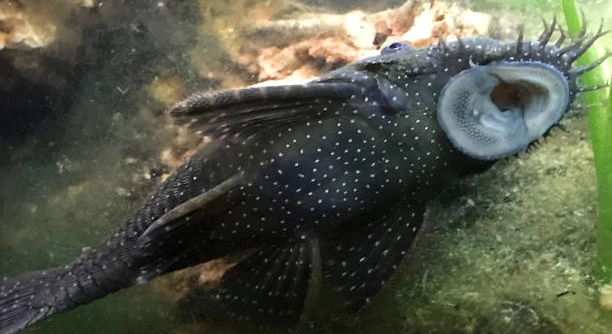
Uneaten pleco food in your aquarium may not seem like a big concern, but it can impact the health of your tank. Leftover food can pollute the water, affecting both the fish and the water quality.
The primary reason for removing uneaten pleco food is to prevent water contamination. Leftover food can quickly decompose, leading to excess nutrients that promote algae growth and harm the tank’s ecosystem. Clean water is essential for the health of your aquarium.
Taking action to remove uneaten food will ensure a cleaner environment for your fish. Maintaining a healthy tank is key to keeping your pleco and other aquatic life thriving.
Why Uneaten Pleco Food Can Be Harmful
Uneaten pleco food is more than just a small inconvenience; it can seriously affect your aquarium’s health. Plecos are notorious for eating a variety of foods, including sinking pellets, vegetables, and algae wafers. However, they often don’t consume everything offered to them. When food is left uneaten, it starts to break down and release waste materials into the water. This can lead to a spike in nitrates and phosphates, which can cause algae blooms, water discoloration, and decreased oxygen levels. Over time, these changes can stress your pleco and other fish in the tank, leading to health problems. It’s crucial to understand how to properly manage uneaten food to keep your aquarium clean and your fish healthy.
Cleaning up uneaten food can be a simple task, but it’s important to do it regularly. Fish waste and decaying food are significant contributors to poor water quality. Monitoring what your pleco eats and removing excess food is the first step to ensuring a healthy aquarium environment.
You don’t have to constantly babysit your pleco, but adjusting your feeding habits is key. Consider feeding smaller portions throughout the day instead of a large meal all at once. If there is uneaten food after a few hours, remove it from the tank. This will help prevent the food from breaking down into waste and affecting the water. You can also add a cleaning crew, such as snails or shrimp, to help consume leftover food. Even with these measures, the best practice is to not overfeed your pleco in the first place. Stick to a consistent feeding schedule and offer food in small amounts. This will reduce the chance of excess food left to decompose.
How to Maintain Water Quality
The quality of your aquarium water directly impacts your pleco’s health. A stable environment helps prevent stress and illness. Regular water changes are important to dilute the build-up of waste. In addition to this, keeping track of ammonia, nitrate, and phosphate levels is essential. These are common byproducts of decomposing food and fish waste. Monitoring these levels will help you stay ahead of potential issues, maintaining a cleaner tank.
Good water quality is vital for preventing unwanted algae growth and keeping your pleco comfortable. A balanced tank will also encourage natural behaviors like foraging and exploring.
Impact of Overfeeding Your Pleco
Overfeeding plecos can create a chain reaction in your aquarium. When plecos receive more food than they can eat, it leads to uneaten food accumulating at the bottom. This leftover food decomposes, leading to poor water quality. Overfeeding also causes an increase in harmful bacteria and changes in the chemical balance of the water. Maintaining the right feeding portions is crucial in keeping your tank clean and healthy.
If you’re unsure about how much food to give, it’s better to start with smaller portions. Plecos usually eat slowly, so feeding them a small amount at a time helps prevent waste. You can adjust portions based on how much they eat, removing any leftover food after a few hours. This way, you reduce the chances of overfeeding, which can affect water quality and the health of your fish.
The amount of food your pleco needs depends on its size, activity level, and the type of food being provided. It’s important to observe your fish and adjust feeding habits accordingly. Overfeeding can also cause digestive problems for the pleco. Uneaten food not only affects the water but also rots in the tank, creating a breeding ground for harmful bacteria. A balance between feeding and water maintenance is key to a healthy aquarium.
The Role of Cleaning Crews
A cleaning crew can be an effective way to help manage uneaten pleco food. Species like snails, shrimp, and certain types of catfish help clean up excess food in the tank. These creatures are great at scavenging leftover food that the pleco didn’t consume. They also contribute to a cleaner and healthier environment, which benefits both your pleco and other tank inhabitants.
Cleaning crews work best when used alongside proper feeding practices. They don’t eliminate the need for regular water changes or monitoring food amounts, but they can assist in reducing waste buildup. By introducing a cleaning crew, you’re creating a more natural ecosystem that works with your pleco to maintain a balanced tank. Consider introducing snails like Nerite snails or shrimp such as Amano shrimp, as they are highly effective at cleaning up food scraps.
How to Spot Excess Food in Your Tank
Excess food in your tank is easy to spot once you know what to look for. Uneaten food will sink to the bottom and often start to break apart or dissolve. You might also notice cloudy water, a sign of decomposing food affecting the tank’s water quality.
It’s essential to remove any uneaten food within a few hours to prevent water issues. Check around decorations, rocks, and plants, as food tends to get stuck in these areas. Regularly inspecting the tank will help you spot problems early, preventing any long-term damage to water conditions.
The Importance of Regular Water Changes
Regular water changes are a must to maintain a clean tank. Even with proper feeding habits and a cleaning crew, water changes dilute the build-up of waste. Aim for a 20-30% water change every week or bi-weekly, depending on your tank size and the number of fish.
Changing the water regularly helps keep the nitrate and phosphate levels in check. It also removes organic matter, like decomposed food, that can otherwise lead to poor water quality. Fresh water ensures that your pleco and other tank mates remain healthy and comfortable.
FAQ
How much should I feed my pleco?
Feeding your pleco in appropriate portions is essential for maintaining a healthy tank. The general rule is to offer only as much food as your pleco can eat in a few hours. If any food is left over, remove it to prevent water contamination. Plecos are slow feeders, so offering smaller amounts more frequently throughout the day is better than giving them one large meal. Keep an eye on how much they eat, as overfeeding can lead to waste buildup and water quality issues.
Can plecos overeat?
Yes, plecos can overeat, especially if they are provided more food than they can consume. Overeating can lead to uneaten food accumulating in the tank, which can degrade water quality. It may also cause digestive issues for the pleco, leading to bloating or discomfort. Offering smaller amounts of food, twice a day, helps ensure your pleco eats only what it needs.
What should I do if there’s leftover food after feeding my pleco?
If there’s leftover food, remove it promptly. Leftover food can quickly decompose and lead to poor water quality, encouraging harmful bacteria and algae growth. Use a net or siphon to clean up any uneaten food. If you notice leftover food regularly, consider reducing the amount you feed each time.
How do I know if my pleco is not eating enough?
If your pleco isn’t eating enough, you might notice weight loss or a lack of growth. Plecos are bottom feeders, so they may also be shy or take longer to eat compared to other fish. If you’re concerned about their food intake, observe whether they are actively searching for food, or check if they’re grazing on algae or plant matter in the tank. Ensure you’re providing the right types of food, including algae wafers and sinking pellets.
Is it okay to feed plecos vegetables?
Yes, plecos benefit from a varied diet, including vegetables like zucchini, cucumber, and spinach. These vegetables provide essential nutrients and fiber for your pleco. Make sure the vegetables are properly prepared—slice them into manageable pieces and blanch them before offering them to your pleco. Always remove any uneaten vegetables after a few hours to avoid decay in the tank.
How often should I feed my pleco?
Plecos typically need to be fed once or twice a day, depending on their size and the type of food offered. Young plecos may need more frequent feedings, while adults can be fed once a day. The goal is to offer enough food to satisfy them without leaving excess. Adjust the amount of food based on their consumption.
What happens if I feed my pleco too much?
Feeding your pleco too much can result in leftover food decaying in the tank. This increases ammonia and nitrate levels, which can be harmful to both your pleco and other tank inhabitants. Excess food also contributes to algae growth, cloudy water, and poor water quality. It’s better to feed smaller amounts and observe your pleco’s eating habits.
Can plecos eat algae wafers every day?
Algae wafers are a great staple food for plecos and can be fed daily, but variety is key. It’s essential to also offer other food types, such as vegetables, sinking pellets, and occasional protein-based foods, to ensure your pleco gets a well-rounded diet. If your pleco seems to prefer algae wafers, offer other food options to prevent nutritional imbalances.
What kind of food is best for plecos?
Plecos are primarily herbivores but will also eat some protein-based foods. The best diet for them includes algae wafers, sinking pellets, and fresh vegetables. You can also supplement with occasional treats like shrimp or bloodworms for added protein. Offering a variety of foods ensures that they get all the necessary nutrients.
How do I prevent pleco food from polluting the tank?
To prevent food pollution, avoid overfeeding and remove uneaten food after a few hours. Use a siphon to clean the substrate and remove leftover food. Introducing a cleaning crew, such as snails or shrimp, can also help clean up food scraps. Regular water changes and monitoring water quality will keep the tank clean.
Can I leave pleco food in the tank overnight?
It’s not advisable to leave pleco food in the tank overnight. Food that isn’t consumed can decompose and cause water quality issues. Uneaten food should be removed after a few hours to prevent it from breaking down and contributing to excess nutrients in the water.
Do plecos need to be fed different foods based on their size?
Yes, plecos may need different foods depending on their size. Younger plecos, which are smaller, may need finely crushed food or smaller pellets. Larger plecos can consume bigger pieces of food, including whole vegetables. Adjust the size and type of food to ensure your pleco is getting the right nutrition for its stage of growth.
Why is my pleco not eating its food?
If your pleco isn’t eating its food, it could be due to several factors. Stress, poor water quality, or an unsuitable type of food could be the cause. Check the water parameters, and ensure the food is fresh and appropriate for your pleco’s dietary needs. If the issue persists, consider offering a different food or adjusting feeding habits.
Can plecos eat all types of fish food?
No, plecos should not eat all types of fish food. They are mostly herbivores, so high-protein foods designed for carnivorous fish may not be suitable. Stick to sinking pellets, algae wafers, and fresh vegetables for optimal health. Avoid feeding them high-fat or processed foods, as these can lead to digestive problems.
How can I make sure my pleco is getting enough food?
To ensure your pleco is getting enough food, observe their eating habits. Plecos are nocturnal feeders, so you may notice them eating more after the tank lights go out. Offer food at night or early in the morning to match their natural feeding times. If the food is gone within a few hours, your pleco is eating enough.
Is it necessary to remove uneaten pleco food every day?
Yes, it is important to remove uneaten pleco food every day. Leftover food breaks down quickly and can pollute the tank. This can lead to spikes in harmful substances like ammonia and nitrates, which affect the overall water quality. A clean tank ensures your pleco and other fish stay healthy.
Can I feed my pleco fruit?
Plecos can eat some fruit in moderation, but it should be done carefully. Fruits like apples, melons, and berries can provide extra nutrients and variety in their diet. However, avoid citrus fruits, as they are too acidic for plecos. Always remove any uneaten fruit after a few hours to prevent decay in the tank.
Final Thoughts
Feeding a pleco properly is key to its health and the cleanliness of your tank. Overfeeding can lead to leftover food, which can pollute the water and cause harmful effects like cloudy water or spikes in ammonia. To prevent these problems, feed your pleco only what it can eat in a few hours. Any uneaten food should be removed promptly. Observing your pleco’s feeding habits is an easy way to ensure they are getting the right amount of food without creating excess waste in the tank.
It’s also important to offer a balanced diet to your pleco. While algae wafers are a great staple, adding a variety of foods like fresh vegetables, sinking pellets, and occasional protein-based treats helps meet all of their nutritional needs. Plecos are herbivores, but they can also benefit from small amounts of protein, so variety is essential. Experiment with different types of food to see what your pleco prefers, but always remove leftovers to keep the tank clean.
In the end, maintaining a healthy environment for your pleco means paying attention to both their feeding and the tank’s cleanliness. Regular water changes, proper feeding routines, and keeping an eye on leftover food will help your pleco thrive. By understanding their diet and removing excess food regularly, you create a stable, healthy environment for your pleco and other tank mates. Taking care of these small details will help ensure that your tank remains clean, and your pleco stays happy and healthy.

Hello,
If you enjoy the content that we create, please consider saying a "Thank You!" by leaving a tip.
Every little bit helps us continue crafting quality advice that supports the health, happiness, and well-being of pets around the world, for pets of all shapes, sizes, and species.
We really appreciate the kindness and support that you show us!