
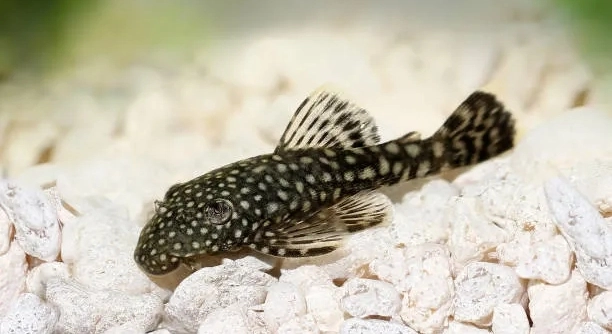
Plecos are popular aquarium fish, known for their algae-eating habits and unique appearance. However, there are situations where moving them to a different tank or location becomes necessary for their well-being and the health of your aquarium.
There are several situations where moving your pleco is beneficial. This includes overcrowding in the tank, territorial issues with other fish, or water quality concerns. Moving them can reduce stress, improve their health, and maintain harmony in the aquarium environment.
Taking action early can help avoid potential issues. Understanding when and why to move your pleco will ensure they stay happy and healthy in your aquarium.
Overcrowding in the Tank
Overcrowding is one of the most common reasons to move your pleco. If you have too many fish in one tank, it can lead to high stress levels for all the inhabitants, including your pleco. A pleco’s size and territorial nature can make them uncomfortable in cramped spaces. The result can be reduced algae consumption, less activity, and overall poor health.
If your pleco is sharing a tank with larger or more aggressive fish, the situation can get even worse. Moving them to a separate tank or a tank with fewer fish can relieve stress and improve their condition. It also allows the pleco to maintain its natural behavior.
To prevent overcrowding, always keep an eye on the tank’s population. Ensuring there’s enough space for each fish to thrive will make all the difference in their health. Moving your pleco when necessary is a simple step toward a happier aquarium environment.
Water Quality Issues
Water quality is another key factor that might require moving your pleco. Poor water conditions, such as high ammonia or nitrite levels, can negatively affect your fish. When water quality issues arise, it can stress the pleco, which may struggle to thrive in toxic environments. The solution often involves relocating the pleco to a healthier tank.
Moving a pleco to better water conditions allows them to recover quickly and prevents further health problems. Regular water changes and proper filtration are essential in maintaining a stable environment. Make sure to test the water regularly to catch any problems before they worsen.
Territorial Behavior
Plecos can become territorial, especially as they grow larger. They may start to claim areas of the tank, pushing other fish away. This behavior can lead to stress and even physical harm to the other fish. In such cases, relocating the pleco is often the best solution.
Moving the pleco to a different tank, or even providing them with a designated space, can help ease the tension. This ensures that both the pleco and other fish in the tank feel secure and are able to thrive. Territorial behavior is natural, but it can be problematic in a confined tank.
If you notice aggression toward other tank mates, consider moving the pleco. A larger tank with more hiding spots can also help reduce territorial disputes. Giving your pleco the space it needs will result in a healthier, calmer aquarium for all its inhabitants.
Health Concerns
Sometimes, health issues may require relocating a pleco. If your pleco shows signs of illness, such as faded colors, lack of activity, or visible sores, it’s crucial to address the problem right away. Moving them to a quarantine tank can prevent any potential spread of diseases to other fish.
In a separate tank, the pleco can receive focused care and better observation. You can adjust water parameters, administer treatments, or simply allow the pleco to rest without the stress of sharing space with other fish. A quarantine tank ensures that any illness doesn’t harm the rest of the aquarium’s inhabitants.
A separate tank provides an opportunity to nurse the pleco back to health without the added complications of tank mates. Whether dealing with parasites or fin rot, moving the pleco for treatment can increase their chances of recovery.
Tank Mate Compatibility
Plecos can struggle when housed with certain tank mates. Some fish may become aggressive toward them, while others might not get along due to size or feeding habits. Moving the pleco away from problematic tank mates can help prevent stress and injuries.
Aggressive fish like cichlids or certain barbs may attack plecos, especially if there’s a lack of hiding spots. When this happens, it’s better to relocate the pleco to a calmer environment. A peaceful tank with more compatible species will keep the pleco healthy and stress-free.
Ensuring compatibility among tank mates is essential for your pleco’s well-being. If you notice signs of aggression, it’s best to move the pleco rather than risk prolonged stress or injury.
Insufficient Hiding Spaces
Plecos, especially the larger species, need hiding spots in their tanks. If they don’t have enough places to retreat, they can become stressed. If your pleco seems to be spending too much time hiding or avoiding other fish, consider adding more hiding spots or moving them to a new tank.
Adding caves, driftwood, or plants provides much-needed shelter for your pleco. Without these, the pleco may become more vulnerable to stress, aggression, or even disease. It’s crucial to ensure the tank environment is comfortable and secure for your pleco, with plenty of places to hide.
Suboptimal Tank Size
Plecos require a larger tank as they grow. If the tank is too small for your pleco, they may not have enough space to swim or establish their territory. A cramped environment can lead to stunted growth and poor health.
A minimum tank size of 75 gallons is recommended for most plecos, with larger species needing even more space. When your pleco outgrows its current tank, it’s important to move them to a larger one. A spacious tank helps them stay active and healthy, reducing stress and improving overall well-being.
FAQ
Why do plecos need to be moved sometimes?
Plecos may need to be moved for various reasons, including overcrowding, territorial disputes, health concerns, or water quality issues. When these factors negatively impact their well-being, relocating them can help reduce stress and ensure they remain healthy. A move allows plecos to thrive in a more suitable environment, free from the problems that may arise in a cramped or aggressive tank.
How do I know if my pleco is stressed?
Stressed plecos may exhibit several signs. They might hide more than usual, lose their appetite, or appear inactive. If they’re constantly swimming erratically or rubbing against objects, it’s a sign of distress. Observing your pleco’s behavior closely will help you identify if they’re struggling. Stress can be caused by factors like poor water conditions, aggressive tank mates, or overcrowding, all of which can be addressed by moving them to a different tank.
Can I move my pleco into any tank?
Not necessarily. When moving your pleco, you need to ensure the new tank has appropriate conditions. The tank should be large enough to accommodate the pleco’s size, with proper filtration and stable water quality. Additionally, the tank should have peaceful tank mates. If the pleco has specific care requirements (e.g., water temperature, pH level), those must be met in the new environment.
What size tank does a pleco need?
A pleco’s tank size depends on its species. Most plecos need a minimum of 75 gallons, while larger species may require up to 150 gallons or more. They grow quite large, and smaller tanks can cause them stress due to cramped conditions. A spacious tank allows the pleco to swim freely, establish territories, and maintain good health.
How can I prevent my pleco from being territorial?
To reduce territorial behavior, you can provide more hiding spots, such as caves, driftwood, or plants. A well-decorated tank allows the pleco to find a place to call its own without getting into fights with other fish. You might also consider adding more tank mates if the pleco is alone, as having other peaceful fish around may reduce aggressive behavior.
What should I do if my pleco is sick?
If your pleco is showing signs of illness, such as fading colors, sores, or lethargy, you should move it to a quarantine tank immediately. This helps prevent the spread of disease to other fish in the main tank and gives you a chance to treat the pleco effectively. Make sure the quarantine tank has clean water, proper filtration, and appropriate conditions for recovery.
Can plecos live with other fish?
Yes, plecos can live with other fish, but it depends on the species. Plecos are generally peaceful, but they can become territorial or aggressive if stressed. When choosing tank mates, look for calm, non-aggressive species. Avoid pairing them with fish that are overly territorial or large enough to bully the pleco.
How often should I clean my pleco’s tank?
Cleaning the pleco’s tank is important for maintaining water quality. Perform partial water changes every week or two, depending on the tank’s size and the number of fish. Clean the substrate, decorations, and filter monthly to remove accumulated debris and waste. Keeping the water clean helps reduce the risk of illness and promotes a healthy environment for your pleco.
Can plecos live in cold water?
Most plecos prefer warmer water, typically between 72°F and 80°F (22°C to 27°C). Cold water can cause them to become sluggish or stressed, leading to potential health issues. While some species of plecos are more tolerant of cooler temperatures, it’s essential to maintain the water within the appropriate range for their comfort.
What should I feed my pleco?
Plecos are primarily herbivores and enjoy a diet rich in plant-based foods. You can feed them algae wafers, fresh vegetables like zucchini, and blanched spinach. Occasionally, offer them protein-based foods such as shrimp or fish pellets. Make sure to avoid overfeeding, as it can lead to poor water quality and health problems.
Can I add a pleco to a tank with shrimp?
Plecos can live with shrimp in some cases, but it depends on the species of both. Larger plecos, such as the common pleco, may try to eat smaller shrimp. However, smaller plecos, like the bristlenose pleco, are less likely to harm shrimp. Always monitor interactions between the pleco and shrimp, and provide plenty of hiding spaces for the shrimp.
How do I know when my pleco has outgrown its tank?
When a pleco outgrows its tank, it will display signs like staying near the surface, being less active, or showing signs of stunted growth. Plecos need a lot of space to swim and explore, and if they’re not getting enough room, their health can suffer. If your pleco is growing too large for the current tank, it’s time to move it to a larger one.
What are the signs that my pleco is comfortable in its new tank?
A comfortable pleco will swim around the tank, explore new areas, and have a healthy appetite. If the pleco is hiding less frequently, is more active, and shows bright colors, it’s a good sign that they’re adapting well to their new environment. Monitor their behavior for a few days to make sure they’re settling in.
Can plecos live in brackish water?
Some species of plecos, such as the bristlenose pleco, are more adaptable to brackish water. However, most plecos prefer freshwater environments. If you plan to keep your pleco in brackish water, make sure to research the specific species’ needs and adjust the salinity gradually to avoid stress.
Do plecos need a filter?
Yes, plecos need a good filtration system. They produce a significant amount of waste, which can quickly degrade water quality. A strong filter will help keep the tank clean and provide oxygenated water, which is crucial for the pleco’s health. Make sure to clean the filter regularly to ensure it runs efficiently.
Final Thoughts
Moving your pleco may seem like a hassle, but in many cases, it’s necessary for their health and well-being. Whether it’s due to tank size, aggressive tank mates, or water quality issues, relocating your pleco to a better environment can make a huge difference. A proper tank setup with enough space, hiding spots, and compatible tank mates will ensure your pleco thrives and stays healthy.
It’s important to understand the specific needs of your pleco species before setting up its tank. Each type of pleco has different space and care requirements. For example, larger species need more space to swim, and others require specific water conditions. When moving your pleco, it’s crucial to ensure the new environment meets these needs. Keep the tank clean, monitor water parameters, and avoid overcrowding to reduce stress on your pleco.
Taking the time to properly care for your pleco by offering the right living conditions will prevent many common problems. Regular water changes, a balanced diet, and a peaceful tank environment will help your pleco live a long and healthy life. If you notice any signs of stress or illness, don’t hesitate to move your pleco to a more suitable tank. Ultimately, providing a stress-free and well-maintained environment will benefit both you and your pleco.

Hello,
If you enjoy the content that we create, please consider saying a "Thank You!" by leaving a tip.
Every little bit helps us continue crafting quality advice that supports the health, happiness, and well-being of pets around the world, for pets of all shapes, sizes, and species.
We really appreciate the kindness and support that you show us!