
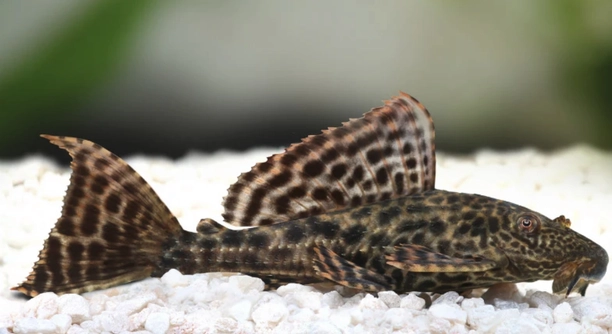
Plecos are fascinating fish, often found in aquariums for their ability to keep tanks clean. However, they sometimes exhibit behavior that may leave owners wondering why they avoid bright, well-lit areas.
Plecos tend to avoid well-lit areas due to their natural habitat preferences. These fish are nocturnal and thrive in dim, shaded environments. Bright lighting can cause stress or discomfort, as they are more accustomed to darker, sheltered spaces.
Understanding this behavior helps improve your pleco’s tank setup, making them feel more comfortable and healthy. We will explore how to create the best environment for your pleco and what factors affect their light preferences.
Why Plecos Avoid Bright Lights
Plecos are naturally nocturnal creatures, meaning they feel more comfortable in low-light environments. Their instincts lead them to seek darker areas where they can avoid predators and rest peacefully. In the wild, plecos typically live in shaded, murky waters with limited exposure to sunlight.
When placed in brightly lit tanks, plecos may feel stressed or disoriented. Overexposure to light can disrupt their natural behavior, causing them to hide or retreat into darker corners of the tank. These fish are more active during the night, and bright lighting interferes with their sleep cycle. This explains why they seek refuge away from the light.
To make your pleco feel at ease, it’s essential to consider the lighting setup in their aquarium. Installing dimmer lights or having areas with low light can create a more natural, stress-free environment for your fish. You may also want to use adjustable lighting systems that mimic the day-night cycle.
How to Set Up Your Tank for Your Pleco
The key to a happy pleco is a comfortable tank setup. Start by ensuring that your pleco has access to shaded hiding spots, such as caves or driftwood.
Proper lighting is crucial in maintaining a healthy aquarium for your pleco. Avoid using harsh, bright lights that can disturb their natural resting habits. Instead, opt for subdued lighting that mimics their natural environment. By providing these adjustments, your pleco will thrive in a less stressful, more natural atmosphere.
Understanding Pleco Behavior
Plecos are shy creatures, often preferring solitude in darker areas. They instinctively avoid bright, exposed spaces to reduce stress. This behavior is especially noticeable during the daytime when they seek refuge in shaded areas of the tank.
They also exhibit this preference because of their nocturnal nature. In the wild, plecos are more active at night, feeding and exploring under the cover of darkness. Bright lighting in the aquarium can mimic daytime conditions, disrupting their normal activities. This is why they retreat when exposed to intense light.
The more comfortable your pleco feels in its environment, the more likely it is to thrive. Providing hiding spots, such as caves, plants, or driftwood, can help give your pleco a sense of security. By mimicking their natural habitat, you’ll encourage natural behaviors and keep them stress-free.
Lighting Options for Plecos
Choosing the right lighting can make all the difference for your pleco. A dimmer setup, such as a soft, low-intensity light, will allow them to feel safe while still providing enough visibility for your tank’s decor.
To avoid stressing your pleco, opt for aquarium lights that can adjust in intensity. Some lights can simulate the natural progression of day into night, which is ideal for your fish’s comfort. Adding a timer to your lighting system helps create a consistent day-night cycle, reducing the chances of overexposure. Your pleco will appreciate the ability to rest in darkness when needed.
Providing Shelter for Your Pleco
Plecos need secure hiding spots to feel safe and reduce stress. Driftwood, caves, or aquarium plants provide excellent areas for them to retreat to when they feel threatened by the light. These shelters help mimic their natural environment.
Without these hiding places, your pleco may feel exposed, leading to behavioral issues like hiding more frequently or being less active. Providing multiple hiding spots ensures your pleco can always find a place to relax and feel secure. It’s important to ensure the shelters are spacious enough for your pleco to move comfortably.
Tank Setup for a Healthier Environment
Creating a tank that reflects the pleco’s natural habitat is essential for their well-being. Plecos enjoy having an area with both light and shaded spots to choose from. This allows them to control their exposure to light, reducing stress.
The substrate you use is also crucial. Plecos enjoy soft, fine gravel or sand, which allows them to move around easily and feed on algae. Be mindful of the tank’s overall environment by adjusting the water flow, temperature, and water quality to ensure your pleco stays healthy and happy.
Temperature and Water Quality
Plecos prefer warm, stable water temperatures that replicate their tropical environment. Aim for a range between 75-80°F (24-27°C) to keep them comfortable. Fluctuating temperatures can cause stress and weaken their immune system, leading to health issues.
Water quality is another essential factor. Regular water changes and a good filtration system are necessary to maintain clean water. Poor water conditions can stress your pleco, making it even more likely to avoid light and hide.
FAQ
Why does my pleco hide in dark areas?
Plecos are naturally nocturnal, which means they are more active at night. In the wild, they spend their time in shaded, murky waters where they feel safe from predators. Bright lights can stress them out, causing them to hide. To mimic their natural environment, provide dim or adjustable lighting and add plenty of hiding spots like caves or plants.
Can I use bright lighting for my pleco?
Bright lighting should be avoided, as it can cause stress for plecos. These fish prefer low to moderate lighting that allows them to feel secure. If you want to brighten your tank, opt for lighting that is soft and can be adjusted to mimic natural light patterns, providing your pleco with a day-night cycle.
How can I make my pleco feel more comfortable in its tank?
To make your pleco feel more comfortable, focus on creating a natural environment. Include hiding places, such as caves, plants, or driftwood, that offer shade and protection. Provide dim lighting and ensure your pleco has enough space to move around. Keeping the water clean and maintaining a stable temperature will also help them thrive.
Should I place my pleco near the light or away from it?
Plecos should be placed away from direct lighting. They tend to avoid bright, exposed areas, preferring dark or shaded spots in their environment. It’s best to position your pleco in a part of the tank that allows them to have access to areas with low light and hide when they feel the need.
What lighting setup is best for a pleco tank?
A dim or adjustable lighting setup works best for a pleco. Use lighting that can be controlled in intensity and set up a timer to simulate a natural day-night cycle. This will help your pleco feel comfortable and maintain a consistent routine, with darker hours for rest.
How do I know if my pleco is stressed?
Stressed plecos may exhibit behaviors such as hiding more frequently, being less active, or avoiding food. They might also develop physical signs like faded colors or changes in skin texture. If your pleco seems stressed, check the lighting, water quality, temperature, and tank decorations to ensure their environment is appropriate.
Can plecos live in a tank with bright aquarium lights?
While plecos can technically live in a tank with bright lights, it’s not ideal for their well-being. Bright lights can disrupt their natural behavior and cause stress. It’s best to provide low or moderate lighting with areas of shade for your pleco to retreat to.
How often should I change the water in my pleco’s tank?
Water changes should be done regularly, ideally 25-30% every 1-2 weeks. Plecos produce waste, and without regular water changes, it can build up and affect water quality. Use a water test kit to monitor pH, ammonia, nitrites, and nitrates to ensure the water stays healthy for your pleco.
Do plecos need a filter?
Yes, plecos benefit from a good filtration system. As scavengers, they contribute to cleaning the tank by eating algae, but their waste can quickly build up in the water. A filter helps maintain water quality, keeps the tank clean, and reduces the chances of your pleco getting stressed from poor conditions.
Can plecos tolerate high water temperatures?
Plecos thrive in warm water, with temperatures ranging from 75-80°F (24-27°C). While they can tolerate slight variations, sudden changes in water temperature can cause stress or illness. It’s important to keep the tank temperature stable and avoid fluctuating temperatures, as plecos are sensitive to extreme heat or cold.
What type of food should I feed my pleco?
Plecos are omnivores and benefit from a varied diet. Offer them algae wafers, sinking pellets, vegetables like zucchini or spinach, and occasional protein sources like brine shrimp. Make sure to avoid overfeeding, as this can pollute the water and lead to health issues.
Can plecos live with other fish?
Yes, plecos can live with most peaceful community fish, as they are generally non-aggressive. However, avoid placing them with fin-nipping species or overly aggressive fish. Ensure the other tank mates don’t compete for the same hiding spots, as plecos prefer having a space to call their own.
Why is my pleco staying in the same spot?
If your pleco is staying in one spot, it could be due to stress, illness, or environmental factors. Check the tank conditions, including lighting, temperature, and water quality. If the conditions are stable and your pleco is still inactive, it may need more hiding places or a more varied diet.
Final Thoughts
Understanding why your pleco avoids light areas is important for ensuring its well-being. Plecos are naturally shy and prefer darker, shaded areas to feel safe. This behavior is linked to their nocturnal nature, where they are more active at night and seek out areas that offer protection. Providing them with hiding spots, such as caves or plants, helps reduce stress and allows them to feel secure. Bright, direct lighting can be unsettling for plecos, which is why a tank with dim or adjustable lighting is the best way to mimic their natural environment.
Creating a comfortable environment for your pleco goes beyond just lighting. The temperature, water quality, and space in the tank play a significant role in their overall health and behavior. Plecos thrive in stable water conditions, with a temperature range between 75-80°F (24-27°C). Regular water changes and a good filtration system are essential to keep the water clean and free from toxins. It’s also important to ensure that your pleco has enough space to move around freely and access areas where they can hide when needed. Overcrowding the tank or providing insufficient hiding spots can lead to stress and discomfort, which can affect their behavior.
By creating a tank setup that reflects the pleco’s natural habitat, you’ll help your fish feel more at ease. Choose the right lighting, add plenty of hiding places, and maintain proper water conditions to keep your pleco healthy and active. When these needs are met, you will likely see your pleco become more comfortable in its environment, allowing it to thrive. With a little attention to their preferences, your pleco can enjoy a stress-free and healthy life in its new home.

Hello,
If you enjoy the content that we create, please consider saying a "Thank You!" by leaving a tip.
Every little bit helps us continue crafting quality advice that supports the health, happiness, and well-being of pets around the world, for pets of all shapes, sizes, and species.
We really appreciate the kindness and support that you show us!