
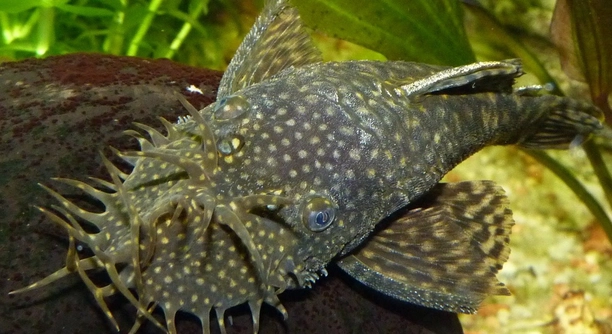
A bare pleco tank may seem like a simple setup, but adding a few essentials can make it much more enjoyable for both you and your fish. Plecos, with their unique needs, require specific additions to thrive.
To ensure your pleco thrives in its environment, adding hiding spots, a proper substrate, and algae supplements can create a healthy and comfortable space. A well-structured tank will improve both your pleco’s health and the overall tank aesthetics.
Making sure your pleco feels safe and has plenty to explore will help create a balanced environment. We’ll cover some essential additions that can improve their quality of life and enhance your aquarium setup.
1. Adding Hiding Spots for Security
Plecos are naturally shy creatures, and they enjoy having a place to retreat when they feel threatened. Adding caves or driftwood can provide them with that much-needed sense of security. Without these hiding spots, they might feel exposed and stressed, which can affect their health over time.
It’s important to ensure these spots are placed in various areas of the tank so your pleco can feel safe from all angles. Additionally, having a variety of hiding spots gives them freedom of choice, which can improve their overall behavior.
You can use natural materials like rocks or buy aquarium-specific caves. Plecos tend to love exploring and moving around these hiding places, especially if they are designed with enough space to turn and swim comfortably. Some plecos even seek these spots during the day, which is why offering different types of hiding spots is always a good idea. The more secure they feel, the more active and healthy they’ll be.
2. Choosing the Right Substrate
The substrate plays a large role in both the look and function of your pleco tank.
Smooth gravel, sand, or fine pebbles work best because they’re gentle on their sensitive undersides. These substrates not only prevent injury but also make it easier for plecos to forage for food. A proper substrate allows your pleco to move freely without causing any harm to its body.
Using sand is particularly beneficial because it gives the pleco a chance to sift through the substrate, mimicking its natural habitat. Plecos enjoy this behavior as it satisfies their need to search for small food particles. Avoid sharp, jagged stones as they can cause scratches or cuts, which could lead to infections. Having a safe, soft substrate gives plecos a more comfortable environment. With the right substrate, they can thrive while keeping the tank looking neat.
3. Adding Algae and Food Supplements
Plecos, being algae eaters, will appreciate a variety of food sources to keep them healthy. Adding algae wafers or live plants will supplement their diet and encourage natural behaviors. A lack of these elements might leave them underfed or malnourished, which can weaken their immune system.
Algae wafers are a great way to make sure your pleco gets enough nutrients, especially if they aren’t grazing on natural algae in the tank. In addition to algae wafers, adding live plants or even algae blooms to the tank can provide them with natural sources of food. You can also introduce sinking pellets to give your pleco some variety in its diet.
Not all plecos feed in the same way, so make sure you observe how your pleco reacts to different food types. Some may prefer more plant-based foods, while others may enjoy a mixture of vegetables and protein. A varied diet ensures your pleco remains healthy and satisfied.
4. Keeping Water Conditions Stable
Water quality is critical for plecos, and keeping it stable should be your top priority.
Regular water changes, proper filtration, and maintaining the right temperature can make a huge difference in your pleco’s health. A clean tank encourages the growth of algae and helps keep harmful bacteria at bay.
Plecos thrive in slightly warm water, with a temperature range between 74-80°F. Ensure you have a good filter to keep the water oxygenated and remove excess waste. Without a good filtration system, the water can become murky, leading to stress for your pleco. Keeping your water clean not only helps your pleco but also ensures that any algae growth stays under control. A stable environment with well-maintained water conditions makes your pleco’s habitat much more enjoyable.
5. Providing Plenty of Swimming Space
Plecos can grow quite large, so it’s essential to give them enough space to swim comfortably. A cramped tank can lead to stress, poor growth, and less activity. Ensure your tank size accommodates your pleco’s adult size for the best results.
A 50-gallon tank is often recommended for a single pleco, with larger tanks being ideal for multiple fish. Plecos need space to move freely, explore, and find food. When a tank is too small, they may become lethargic or exhibit unhealthy behaviors. Allowing them ample swimming room will encourage natural movements and contribute to their well-being.
A spacious tank not only benefits the pleco but also allows for a more visually appealing aquascape. With more room, you can add more plants or decorations, giving your pleco a diverse environment. It’s important to remember that plecos are bottom dwellers, so leave enough open space at the bottom of the tank for them to graze. This helps ensure they are comfortable and healthy in their environment.
6. Using Proper Tank Lighting
Proper lighting is essential for both your pleco’s comfort and the health of your tank’s ecosystem.
While plecos are generally nocturnal, they still need light to maintain a balanced day-night cycle. It’s important to use lighting that mimics natural daylight, creating a rhythm for your fish. Too much light can cause stress, while too little may affect their ability to feed properly.
Using adjustable LED lights allows you to control the brightness, which can also help manage plant growth in the tank. Light also affects algae growth, which plecos feed on. Be mindful of how long the lights stay on to prevent excessive algae growth that could overwhelm the tank. A balanced light schedule creates a harmonious environment for your pleco, ensuring they get the proper exposure to light without disrupting their natural habits.
7. Adding Live Plants
Live plants offer plecos many benefits, from providing extra hiding spots to encouraging natural foraging behaviors. They also improve water quality by absorbing excess nutrients and reducing harmful toxins.
Fast-growing plants like Java Fern or Anubias are perfect choices. They don’t require intense light and can grow well in a pleco tank. These plants also offer a safe, natural way for plecos to graze and find food. As an added bonus, they help maintain stable water conditions.
The right plants also contribute to a more natural and visually appealing tank. Plecos appreciate the opportunity to nibble on plants while feeling secure in their environment. If your pleco isn’t eating enough algae, live plants can offer extra nutrients.
8. Avoiding Overcrowding
Overcrowding a tank can stress plecos and other fish.
Plecos need space to move freely and be comfortable. Too many fish in a small tank leads to competition for resources like food and oxygen. This stress can harm your pleco’s health and result in aggressive behavior.
Make sure to choose compatible tank mates and monitor the number of fish. When tanks are too crowded, plecos may not get enough food or attention, which affects their overall well-being. A balanced tank size with fewer fish is always better than a cramped one filled with too many.
9. Regular Maintenance and Care
Maintaining your pleco tank regularly is crucial to their health and happiness.
You should clean the tank regularly, changing the water and checking for debris or leftover food. Removing excess waste helps maintain water quality, which plecos rely on to thrive. Routine filter maintenance is also necessary to keep the tank running efficiently.
By keeping the tank clean and maintaining proper water levels, your pleco’s environment will remain stable. A clean tank ensures your pleco is not exposed to harmful bacteria or water conditions that can cause stress or illness. Regular maintenance can keep your pleco happy and your tank looking its best.
FAQ
How often should I feed my pleco?
Plecos are primarily nocturnal and enjoy grazing on algae, but they also need supplementary feeding. A good rule of thumb is to feed them 2–3 times a week with algae wafers, sinking pellets, or fresh vegetables like zucchini. Ensure the food is appropriate for their size and species, as different plecos may have different dietary needs. Overfeeding can lead to water quality issues, so always remove leftover food within a few hours to prevent decay.
Can plecos live with other fish?
Yes, plecos can live with other peaceful fish species, provided the tank is large enough. They are usually bottom dwellers and tend to keep to themselves. However, it’s important to avoid overly aggressive tank mates that could harm or stress your pleco. Always research the compatibility of your fish species to make sure they share similar water and environmental requirements. Plecos can thrive alongside other peaceful species like tetras, guppies, or angelfish.
What size tank does a pleco need?
The tank size depends on the type of pleco you have. Most common plecos can grow up to 18 inches, requiring a tank size of at least 50 gallons. Larger species like the sailfin pleco need even bigger tanks, often 75 gallons or more. It’s important to give your pleco enough space to move around and avoid overcrowding. Smaller plecos, such as the bristlenose pleco, can thrive in smaller tanks (20 gallons), but they still need adequate space to feel secure and avoid stress.
Do plecos need a filter?
Yes, plecos benefit from having a filtration system in their tank. They are known for producing a fair amount of waste, and a good filter will help keep the water clean and maintain water quality. A filter will remove excess debris, organic matter, and harmful toxins that can harm your pleco or other fish. Make sure to choose a filter with the proper flow rate for your tank size, as plecos prefer a gentle current.
What water conditions do plecos need?
Plecos prefer slightly warm water, usually between 74–80°F (23–27°C), with a pH level between 6.5 and 7.5. They also do best in moderately soft to slightly hard water. Regularly check the water parameters to ensure they remain stable. Water quality is one of the most important factors for pleco health, so maintaining consistent temperature, pH, and cleanliness is essential for their well-being.
Do plecos need to be fed algae?
Plecos are primarily algae eaters and will often graze on natural algae growing in the tank. However, if your tank doesn’t provide enough algae, you should supplement their diet with algae wafers, fresh vegetables, or other specially formulated foods. A healthy pleco requires a balanced diet, and supplementing with these foods ensures they get the necessary nutrients to stay strong and healthy.
Can plecos live with live plants?
Yes, plecos can live with live plants. They often enjoy nibbling on them, but not all species are destructive to plants. Bristlenose plecos, for example, are less likely to damage plants compared to larger plecos. However, make sure to choose sturdy plants that can withstand some nibbling, such as Java Fern or Anubias. Keep in mind that while plecos might graze on plants, they should also have other food sources to ensure their nutrition isn’t solely plant-based.
What is the lifespan of a pleco?
Plecos have a relatively long lifespan for aquarium fish, with most living anywhere between 10 to 15 years, sometimes longer with proper care. Their lifespan can vary based on their species and the quality of care they receive. Providing a healthy environment with good water quality, proper food, and enough space will ensure your pleco lives a long, healthy life.
Do plecos need a specific type of substrate?
Plecos are bottom dwellers, so choosing the right substrate is crucial. They generally prefer fine sand or smooth gravel because it won’t harm their sensitive bellies. Sharp rocks or coarse substrates can scratch or injure their skin. Sand is especially ideal because it allows plecos to sift through it in their natural behavior. It also helps maintain water clarity since it doesn’t trap debris as easily as gravel does.
Can plecos be kept in a community tank?
Yes, plecos are usually peaceful fish and can be kept in a community tank with other non-aggressive species. As bottom dwellers, they won’t compete for the same space as most mid-to-top-dwelling fish. However, ensure your tank is large enough to accommodate all the fish comfortably, as overcrowding can cause stress and aggression. Additionally, avoid placing plecos with fish that might nip at their fins or territorial species that could harm them.
Final Thoughts
Creating a comfortable and healthy environment for your pleco is key to ensuring its well-being. By adding the right elements to the tank, such as hiding spots, proper substrate, and live plants, you’ll give your pleco the space it needs to thrive. Each addition plays a part in mimicking the natural habitat of a pleco, helping it feel secure and active. With a little attention to detail, you can create a balanced tank that promotes both the health of your pleco and the overall beauty of the aquarium.
Water quality and temperature are essential for plecos to thrive. Regular maintenance, like water changes and filter cleaning, helps keep the tank clean and the pleco healthy. Monitoring the water temperature and keeping it within the recommended range also ensures your pleco remains comfortable. Along with the right lighting, water conditions contribute greatly to your pleco’s health, influencing how well they eat and how active they are. A stable environment is key, as sudden changes can cause stress or illness.
Overall, caring for a pleco doesn’t have to be complicated. By providing enough space, the right food, and ensuring a clean and stable environment, your pleco can live a long, healthy life. While they may seem low-maintenance, plecos do benefit from the attention given to their habitat. It’s a small investment of time and effort that will pay off with a thriving, active pleco in a vibrant tank. Remember, each pleco is unique, so observing their behavior and making adjustments when needed is a part of the process.

Hello,
If you enjoy the content that we create, please consider saying a "Thank You!" by leaving a tip.
Every little bit helps us continue crafting quality advice that supports the health, happiness, and well-being of pets around the world, for pets of all shapes, sizes, and species.
We really appreciate the kindness and support that you show us!