
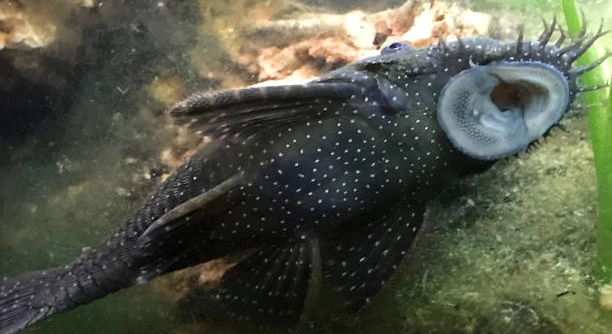
Plecostomus are popular aquarium fish known for their algae-eating habits, but managing their environment is important. They can thrive in a range of conditions, but it’s essential to understand their needs to avoid overstimulation.
Overstimulating a Plecostomus can happen when they are exposed to excessive light, noise, or movement in their environment. Such stressors can negatively impact their health, leading to behavior changes or physical stress.
Taking care of a Plecostomus involves more than just keeping the water clean. Understanding how environmental factors affect them is key to ensuring they live a stress-free, healthy life.
What Causes Overstimulation in a Plecostomus?
Overstimulation in a Plecostomus is often linked to changes in their environment. Factors like bright lighting, too much movement, and loud noises can overwhelm these sensitive fish. Since Plecostomus are naturally nocturnal, they require a calm, peaceful space to feel secure. When exposed to constant disruptions, they may retreat or hide, which is a sign of stress. It’s important to monitor the conditions in the tank and adjust them if necessary. Things like flickering aquarium lights or people moving around too much can disrupt their usual behavior.
In most cases, overstimulation leads to health problems. Plecostomus are particularly sensitive to rapid changes, so providing a steady environment helps prevent them from becoming stressed. This is why many aquarists focus on creating a quiet and dark setting for their tank during the night.
If you notice your Plecostomus spending more time hiding or being less active than usual, it may be due to overstimulation. Addressing lighting, noise, and movement is a good first step in helping them feel more comfortable.
How to Create a Calm Environment
A calm environment for a Plecostomus starts with minimizing stressors. Dim the lighting, avoid sudden movements, and reduce loud sounds around the aquarium.
Reducing overstimulation isn’t difficult. You can switch to softer aquarium lighting, such as LED lights with adjustable brightness. Placing your tank in a quieter part of the room also helps limit external disturbances. Many aquarists use dim, adjustable lighting to ensure their fish can thrive without disruption, especially at night.
It’s also helpful to ensure the aquarium decorations, such as caves and plants, are strategically placed. Providing hiding spots for the Plecostomus gives them a safe place to retreat when they feel overwhelmed. Over time, this creates an environment that encourages natural behaviors and reduces stress, leading to a healthier fish.
Signs of Stress in Plecostomus
Plecostomus show clear signs when they are stressed. They may spend more time hiding or swim aimlessly around the tank. Their usual behaviors, such as algae grazing or resting in the open, become less frequent.
When stressed, they may also develop a loss of appetite, making them less interested in food. If you notice this, it’s important to assess the environment for potential stressors. Changes in behavior, like excessive hiding, are often a sign that something in the tank is causing discomfort.
Another sign of stress is when the fish starts to show physical changes, like faded coloration or clamped fins. This can happen when overstimulated for long periods. In these cases, it’s essential to address the issue immediately before it worsens.
Impact of Overstimulation on Health
Overstimulation can weaken a Plecostomus’s immune system, making it more vulnerable to illnesses. Stress weakens the fish’s ability to fight off infections or parasites, which can lead to more severe health issues over time. Constant exposure to stress may also shorten their lifespan.
Long-term overstimulation can cause a variety of physical problems as well. Some Plecostomus may develop skin sores or other injuries due to excessive hiding or poor water conditions. If stress is not addressed, these issues can lead to more severe conditions that are harder to treat. Keeping the tank environment stable helps prevent these potential health risks.
When a Plecostomus is overstimulated, it may also stop eating properly. This can result in malnutrition, weakening the fish even more. A lack of proper diet and care, combined with stress, can lead to slow recovery and a decline in the fish’s overall well-being.
How to Avoid Overstimulation
To avoid overstimulating a Plecostomus, keep their environment calm and stable. Minimize sudden changes like moving furniture or altering lighting frequently.
It’s also helpful to maintain a consistent schedule for feeding and tank maintenance. This stability helps Plecostomus feel secure in their environment, reducing stress levels.
Importance of Tank Size
A larger tank offers more space for Plecostomus to move around and find quiet areas to relax. Crowded tanks can contribute to overstimulation and stress, as the fish may feel trapped or unable to escape distractions.
With more space, Plecostomus can find their comfort zone, reducing tension and promoting better health. A larger tank helps maintain better water quality too, which is crucial for keeping fish stress-free.
The Role of Water Quality
Maintaining good water quality is essential for preventing overstimulation. Poor water conditions can cause stress and make Plecostomus more sensitive to their environment.
Regular water changes, proper filtration, and monitoring parameters like pH and temperature help keep the tank comfortable for your fish. Keeping the water clean reduces the chances of stress-related health problems.
FAQ
How do I know if my Plecostomus is overstimulated?
If your Plecostomus is overstimulated, it may exhibit signs like hiding more often, swimming erratically, or avoiding certain areas of the tank. You may also notice a drop in activity levels, such as less time spent grazing on algae or interacting with the environment. Overstimulation can lead to stress, which often results in poor eating habits, weight loss, or visible physical changes like faded colors.
Can overstimulation cause permanent damage to my Plecostomus?
Yes, overstimulation can cause long-term damage to your Plecostomus if not addressed. Chronic stress weakens the immune system and makes the fish more susceptible to diseases and infections. Continuous overstimulation can shorten their lifespan and lead to poor health. It is important to create a stable and calming environment to help prevent these effects.
How much light should my Plecostomus have?
Plecostomus are nocturnal creatures and prefer dim lighting. It’s recommended to keep aquarium lighting low or use a timer to simulate day and night cycles. During the day, they can tolerate moderate lighting, but at night, they need darkness or dim light to feel comfortable. Bright or flickering lights can be overwhelming for them.
Can too much water movement stress a Plecostomus?
Yes, excessive water movement can stress a Plecostomus. While they do enjoy a bit of current, strong filters or powerful water pumps can cause them to feel unsettled. If your Plecostomus is constantly fighting the current or hiding, consider adjusting the water flow to create a more peaceful environment. A gentle, consistent water movement is usually enough to keep them happy.
What should I do if my Plecostomus is not eating?
If your Plecostomus isn’t eating, it could be a sign of stress or poor water quality. First, check the water parameters like pH, ammonia, and temperature. If the water quality is good, assess whether there are any environmental stressors like strong lights or too much noise. If everything seems fine, try offering different food options like algae wafers, fresh vegetables, or sinking pellets.
How often should I clean my Plecostomus tank?
Plecostomus help with cleaning by grazing on algae, but you still need to maintain the tank properly. Perform partial water changes every 1-2 weeks, and clean the filter every 3-4 weeks. It’s also important to remove excess food and debris regularly to keep the environment clean and stress-free for your fish.
Can I keep multiple Plecostomus in the same tank?
You can keep multiple Plecostomus in the same tank as long as the tank is large enough and there is enough space for them to establish territories. Plecostomus are generally peaceful but can become territorial, especially when they feel crowded. It’s important to provide plenty of hiding spots and ensure the tank is large enough to support multiple fish.
What temperature should I keep my Plecostomus tank at?
Plecostomus prefer water temperatures between 72°F and 82°F (22°C to 28°C). Keeping the water in this range helps to prevent stress and promotes good health. Too cold or too hot water can weaken your fish’s immune system and make them more susceptible to disease. Always monitor the temperature and adjust as needed.
Are there any tank mates I should avoid with my Plecostomus?
Avoid aggressive or overly active tank mates that might stress your Plecostomus. Fish like cichlids, goldfish, or fast-swimming species may intimidate or harass your Plecostomus. Ideally, choose peaceful, slow-moving fish that won’t compete for the same hiding spots. Other bottom dwellers should be avoided to prevent territorial issues.
Can I feed my Plecostomus too much?
Yes, overfeeding your Plecostomus can cause health problems. Excess food can lead to poor water quality, which in turn can stress the fish. Plecostomus are bottom feeders, and they generally graze throughout the day, so you should avoid overfeeding them. Only offer enough food for them to consume within a few hours, and remove any uneaten food to prevent contamination.
Why is my Plecostomus hiding all the time?
Hiding frequently can be a sign of stress or discomfort. It may also mean the fish is not adjusting well to changes in its environment, such as new tank mates, water quality issues, or lighting. Ensure the tank is calm and stable, and check if any external factors could be causing the Plecostomus to hide.
How can I help my Plecostomus feel more comfortable?
To make your Plecostomus feel more comfortable, maintain stable water conditions, use low lighting, and avoid sudden movements or loud noises. Adding plenty of hiding spots like caves or plants will also help them feel safe. Avoid overcrowding the tank and keep it clean to reduce stress.
Can my Plecostomus live with other fish?
Yes, Plecostomus can live with other peaceful fish, as long as the tank is large enough. They are generally bottom-dwelling fish, so choose tank mates that swim at different levels of the aquarium. Be mindful of species that may harass or outcompete them for space or food.
How long can a Plecostomus live?
With proper care, Plecostomus can live anywhere from 10 to 15 years. To ensure a long, healthy life, maintain a stable environment with the right tank size, clean water, and minimal stress. Proper diet and routine care will also contribute to their longevity.
Final Thoughts
Caring for a Plecostomus requires more than just providing food and clean water. These fish are sensitive to their environment and can easily become overstimulated. Factors like excessive light, noise, and movement in the tank can cause stress, which can lead to health problems. If your Plecostomus is hiding more than usual or showing changes in behavior, it’s a good idea to assess the tank environment. Small adjustments, such as dimming the lights, reducing water flow, or ensuring there are enough hiding spots, can help ease their stress. By paying attention to these details, you can create a calm, comfortable space that supports their well-being.
It’s important to remember that Plecostomus are naturally nocturnal and prefer a peaceful environment. By maintaining stable water conditions and avoiding sudden changes, you can keep your fish happy and healthy. Overstimulating them may not always result in immediate problems, but over time, it can take a toll on their immune system, making them more vulnerable to diseases and infections. When your Plecostomus feels safe and secure, they are more likely to thrive and display the behaviors that make them so enjoyable to have in an aquarium.
In conclusion, understanding the needs of your Plecostomus is key to helping them live a long and healthy life. A calm, stable environment with the right balance of lighting, water movement, and space to hide will keep them from becoming overstimulated. Regular maintenance of their tank, careful monitoring of their behavior, and proper feeding habits will ensure that they stay in good health for years to come. With a little attention and care, you can create a comfortable space for your Plecostomus to flourish.

Hello,
If you enjoy the content that we create, please consider saying a "Thank You!" by leaving a tip.
Every little bit helps us continue crafting quality advice that supports the health, happiness, and well-being of pets around the world, for pets of all shapes, sizes, and species.
We really appreciate the kindness and support that you show us!