
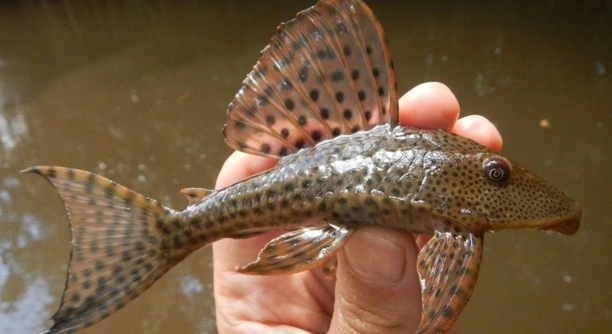
Plecos are unique and beautiful fish, beloved by many aquarium enthusiasts. However, to ensure they thrive, their water conditions must be just right. Understanding the right parameters is essential for their health and happiness in your tank.
Plecos thrive best in water with a pH between 6.5 and 7.5, a temperature range of 74-80°F, and soft to moderately hard water. They also need clean, well-oxygenated water and stable conditions to feel comfortable and grow.
By focusing on these factors, you can create the perfect environment for your plecos. Understanding the specifics will help you maintain a happy and healthy tank.
Ideal pH Range for Plecos
Maintaining the correct pH level is crucial for the well-being of your plecos. These fish prefer water that’s slightly acidic to neutral, with a pH level between 6.5 and 7.5. This range mimics their natural habitat, where the water is neither too acidic nor too alkaline. A pH that’s too high or low can cause stress and lead to health problems.
If the pH of your tank falls outside this range, your pleco may show signs of discomfort such as sluggish behavior or poor appetite. Regular testing of the water’s pH can help you monitor and maintain the balance your plecos need to stay healthy.
To adjust the pH, you can use various methods such as adding aquarium-safe buffers or slowly introducing more plants into the tank. Stability is key. Rapid pH changes can stress out your plecos, so it’s essential to make adjustments gradually. The right pH ensures they are more active, healthier, and better able to thrive in your aquarium.
Proper Temperature for Plecos
Maintaining the right water temperature is another vital factor in pleco care. Plecos prefer a warm environment, with an ideal temperature range of 74-80°F. If the water is too cold, your plecos may become lethargic and prone to illness. Likewise, if the temperature rises above their comfort zone, they can experience stress and weakened immune systems.
Stable temperatures are essential for plecos. Fluctuations can be harmful to them, so using a reliable aquarium heater is recommended. Many plecos can tolerate a slight variation within their preferred temperature range, but sudden changes can cause them to become stressed or even sick. Keeping the tank in a consistent range will help your plecos feel more at ease and keep them active.
Temperature also impacts how your plecos digest food and absorb nutrients. Warmer water helps maintain their metabolism and boosts their overall health, so it’s important to provide a steady and suitable temperature in their tank.
Water Hardness for Plecos
Plecos prefer soft to moderately hard water. The hardness range for your tank should be between 4 and 15 dGH (degrees of general hardness). Water that’s too soft or too hard can make your pleco uncomfortable and affect their health.
Soft water may cause a pleco’s scales and skin to become fragile, leading to stress. Hard water, on the other hand, can lead to mineral imbalances and difficulties with maintaining optimal health. Regular water testing can help you monitor the hardness and make adjustments if needed.
If your water is too hard, consider using a water softener or adding driftwood, which can help lower the hardness. If it’s too soft, you might need to add minerals or use a buffer to adjust the water hardness. Plecos thrive best when the water is not overly soft or hard, keeping their natural balance intact.
Oxygen Levels in Pleco Tanks
Plecos need well-oxygenated water to thrive. The oxygen levels in the tank can directly affect their health and activity levels. They prefer water with a good oxygen exchange, which can be achieved by ensuring proper water movement and filtration.
A good filtration system is key for maintaining oxygen levels, as it helps circulate the water and keep it clean. Adding an air pump or air stone can also help increase oxygen levels by creating bubbles that improve gas exchange.
Low oxygen levels can lead to respiratory problems for plecos, causing them to spend more time near the surface or show other signs of distress. If you notice your pleco gasping for air, it’s a sign that oxygen levels might be insufficient. Keep your tank well-aerated and free of waste to ensure a healthy, oxygen-rich environment for your plecos.
Ammonia and Nitrite Levels for Plecos
Ammonia and nitrite levels in the tank should always be kept as close to zero as possible. These compounds are toxic to plecos and can quickly lead to stress or illness. Regular water testing is necessary to ensure these levels stay safe.
A build-up of ammonia or nitrites can damage a pleco’s gills and lead to respiratory issues. If you notice any signs of poor water quality, such as a decrease in activity or erratic swimming, it could be due to high ammonia or nitrite levels. Efficient filtration and regular water changes will help keep these harmful compounds under control.
Nitrate Levels for Plecos
Nitrate levels should also be monitored, though they are less harmful than ammonia or nitrites. For plecos, nitrate levels should be kept below 20 ppm. Anything higher can result in poor water quality and health issues for your fish.
High nitrate levels are often a sign of overfeeding or poor tank maintenance. Regular water changes and keeping the tank clean will help lower nitrate levels. Using live plants can also assist in absorbing excess nitrates, helping to keep the water healthy for your plecos.
FAQ
What is the best pH level for plecos?
The ideal pH level for plecos is between 6.5 and 7.5. This range mimics the conditions of their natural habitat, ensuring they stay healthy. A pH level that’s too high or low can cause stress, weakening their immune system and leading to health issues. Regular testing of the tank’s pH is recommended to maintain this balance. If adjustments are needed, you can use buffers or introduce plants that help regulate pH levels. Stability is more important than small fluctuations, so ensure the pH remains consistent over time.
How do I maintain the right water temperature for plecos?
Plecos thrive best in water temperatures between 74°F and 80°F. Any drastic changes in temperature can stress them out, so it’s crucial to keep the water temperature stable. Use an aquarium heater to regulate the temperature and monitor it with a thermometer. If the water gets too cold, your pleco may become sluggish and prone to illness. On the other hand, if the temperature gets too high, it can lead to stress and weaker immune responses. A reliable heater and regular checks will help maintain the ideal temperature range.
Can plecos survive in hard water?
Plecos can tolerate moderately hard water, but they prefer softer water with a hardness between 4 and 15 dGH. Water that’s too hard may lead to mineral imbalances and affect their health, while very soft water can cause stress and weakened defenses. Testing the water hardness regularly will help ensure it stays within a comfortable range. If your water is too hard, adding driftwood or using a water softener can help reduce the hardness. Plecos do best when the water is neither too soft nor too hard.
How do I know if my pleco has enough oxygen?
Plecos need well-oxygenated water to thrive. If oxygen levels are too low, your pleco may swim near the surface or display erratic behavior. This is a sign that the water might be lacking sufficient oxygen. To improve oxygen levels, ensure your tank has good water circulation through an effective filtration system, or add an air pump with an air stone. Additionally, keeping the water clean and free of waste helps maintain good oxygen exchange. Regular water changes will also help prevent oxygen depletion.
What should I do if the ammonia or nitrite levels are high?
Ammonia and nitrite levels should always be kept as close to zero as possible. If they are high, it indicates poor water quality, which can be harmful to your plecos. The first step is to perform a water change to dilute the harmful substances. You may also need to check your filter to ensure it’s working efficiently. In cases of high ammonia or nitrite levels, adding a biological filter or using chemical media can help. Regular water testing and maintenance are essential to avoid these dangerous compounds building up in the tank.
How often should I change the water in a pleco tank?
Water changes are essential for keeping your pleco’s environment clean. You should change 20-30% of the water every week. This helps remove waste and excess nutrients that could lead to high levels of ammonia, nitrites, or nitrates. More frequent changes may be necessary if the tank is overstocked or heavily planted. Regular water changes ensure a stable environment, preventing stress and illness in your plecos. Make sure to use dechlorinated water to prevent introducing harmful chemicals that could affect their health.
Are plecos sensitive to water changes?
Yes, plecos can be sensitive to sudden changes in water conditions. Rapid changes in temperature, pH, or water hardness can cause stress, which can weaken their immune system and make them more susceptible to diseases. To avoid shocking your pleco, make sure to acclimate them slowly to any changes in the water. When performing a water change, try to match the new water’s temperature and pH with the existing water as closely as possible. Consistency is key to maintaining a healthy pleco habitat.
Can plecos live with other fish?
Plecos are generally peaceful fish that can live with other species in a community tank. However, they should not be kept with overly aggressive or small fish that may become stressed or injured. Many plecos are bottom dwellers, so they tend to stay away from other fish that occupy the same area of the tank. If you have a pleco, make sure the other fish species are compatible in terms of water requirements and temperament. Plecos get along well with species like tetras, gouramis, and other peaceful bottom-dwellers.
How can I lower nitrate levels in a pleco tank?
Nitrate levels can increase over time, especially if there’s an excess of food or waste in the tank. Regular water changes are one of the best ways to keep nitrates in check. In addition, consider adding live plants to the tank, as they absorb nitrates, helping to reduce their concentration. Keeping the tank clean and removing uneaten food will also help lower nitrate levels. If nitrate levels continue to rise, you may need to adjust your tank maintenance routine or consider using nitrate-removing products.
What is the best filtration system for a pleco tank?
A good filtration system is essential for maintaining clean, oxygenated water for your plecos. An external canister filter is often the best choice, as it provides strong filtration, easy maintenance, and better water flow. Plecos need a well-oxygenated environment, so choose a filter that promotes good water circulation without creating excessive current. A filter with biological, mechanical, and chemical filtration will help keep your tank’s water safe and clear. Regular maintenance and filter cleaning will ensure that it continues working efficiently.
Final Thoughts
Taking care of plecos requires attention to their specific water needs. By maintaining the right water conditions, such as a stable pH, proper temperature, and suitable hardness, you can ensure your plecos thrive. Regular water testing and adjustments will help keep their environment healthy. In addition to water parameters, other factors like oxygen levels, ammonia, and nitrites are crucial for their well-being. Keeping these in check helps prevent stress and illness. A little effort in monitoring and maintaining their habitat goes a long way in providing your plecos with a long, healthy life.
A stable aquarium environment is key to the happiness of your plecos. Consistent water changes, proper filtration, and ensuring the water remains clean will support their health and reduce the chances of complications. Plecos are hardy fish but can still suffer from poor water quality or sudden changes in their tank. Ensuring that their tank is well-maintained and offering them a consistent environment is the best way to keep them stress-free and active. Make sure to always test water parameters regularly to spot any issues before they affect your plecos.
By following the right guidelines and taking care of these important water parameters, your plecos will have everything they need to live a long, healthy life in your aquarium. Providing the right conditions is not only about keeping your fish happy but also preventing any long-term health issues. When the water quality is just right, your plecos will thrive and add beauty to your tank. With a bit of regular attention, you can create an environment that supports their well-being and enjoy your plecos for years to come.

Hello,
If you enjoy the content that we create, please consider saying a "Thank You!" by leaving a tip.
Every little bit helps us continue crafting quality advice that supports the health, happiness, and well-being of pets around the world, for pets of all shapes, sizes, and species.
We really appreciate the kindness and support that you show us!