
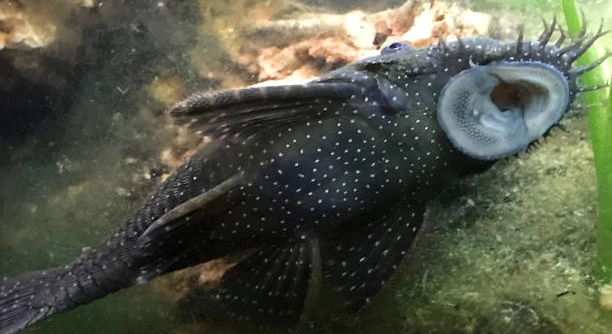
Have you ever watched your pleco slowly graze along the glass and wondered if algae alone is enough to keep it healthy?
Plecos should not be fed algae alone, as it does not meet all their nutritional needs. A balanced diet including vegetables, sinking pellets, and occasional protein sources is essential to support their long-term health and vitality.
Feeding your pleco the right foods helps prevent illness and supports a longer, more active life in your aquarium.
Why Algae Alone Isn’t Enough
Algae may seem like a natural choice for your pleco, but it doesn’t provide everything your fish needs. While plecos enjoy grazing on algae, especially when young, it’s not a complete food source. Algae lack important nutrients like proteins and certain vitamins that plecos require to grow and stay strong. Depending solely on algae can lead to slow growth, weakened immune systems, and even health issues over time. In captivity, there isn’t always enough natural algae to sustain them. Supplemental feeding ensures they get a mix of essential nutrients. Sinking algae wafers, blanched vegetables like zucchini or spinach, and occasional protein treats help create a more balanced diet. Without this variety, your pleco may eventually show signs of poor health. Even if you notice them actively grazing, it’s important to remember that activity doesn’t always mean they are getting what they need from the tank environment alone.
Algae is helpful, but it’s just one small part of what your pleco needs to stay healthy and strong.
By offering a diet that mixes vegetables and specially formulated pellets, you support your pleco’s digestion, energy levels, and overall appearance. Over time, you’ll notice brighter coloring and more steady, active behavior.
What You Should Feed Instead
A pleco’s diet should be varied and focused on balance, not convenience.
Start with high-quality sinking algae wafers or pellets designed for bottom-dwelling fish. These should be the base of their diet, given a few times per week. Then, offer vegetables like zucchini, cucumber, green peas, or even sweet potato—just make sure to blanch them first so they’re soft and safe to eat. Leafy greens like romaine lettuce or spinach can also be good in moderation. Remove any uneaten food within a few hours to avoid spoiling the water. Once or twice a week, add in small protein sources like bloodworms or shrimp, especially for carnivorous or larger pleco species. This rotation helps cover both herbivorous and omnivorous needs. Always check your specific pleco type, as some need more fiber, while others rely more on protein. Making these small adjustments in what you feed will go a long way in keeping your pleco active, colorful, and healthy in the long run.
How Often to Feed Your Pleco
Most plecos should be fed once a day, preferably in the evening when they are most active. Uneaten food should be removed within a few hours to prevent water quality issues and maintain a healthy tank environment.
Feeding frequency depends on your pleco’s age and species. Younger plecos, especially those still growing, may benefit from small feedings twice a day. Adults, on the other hand, often do well with one solid feeding in the evening. Since plecos are nocturnal, placing food just before lights go out helps ensure they can eat comfortably. Always check for leftovers the next day, and adjust portions as needed to avoid overfeeding. Uneaten food can quickly affect water quality and lead to algae blooms or cloudy water. Keeping a simple feeding schedule can help you monitor your pleco’s appetite and spot any signs of poor health early.
It’s a good idea to rotate foods throughout the week. One day you might feed algae wafers, the next blanched vegetables, and another day a small protein portion. This mix keeps your pleco interested and covers a broader nutritional range. If your pleco seems less active or loses color, revisit the diet and feeding routine to make sure they’re getting enough of what they need.
Signs Your Pleco Needs a Better Diet
If your pleco is eating algae constantly but still appears sluggish or thin, it could be missing nutrients. You might also notice pale color, hollow bellies, or unusual swimming behavior. These are signs of dietary gaps.
A healthy pleco should appear active during feeding time, even if it’s at night. If yours seems disinterested in food or hides more than usual, that can point to issues with what you’re offering. Look at its color—dull, faded, or blotchy tones may suggest it’s not getting enough variety in its diet. Another warning sign is an overly bloated belly, which may come from too many high-fiber foods without enough balance. If the fish’s fins are ragged or if its movements seem weak, it’s time to re-evaluate its food and tank conditions. Make gradual changes to improve nutrition and monitor its reaction for improvement over the next few days.
Feeding Mistakes to Avoid
One common mistake is relying too much on algae in the tank. While it may look like enough food, it usually isn’t. Most tanks don’t grow enough algae to support a pleco’s full dietary needs.
Another issue is overfeeding. Too much leftover food leads to poor water quality, which can stress your pleco. Stick to portion sizes your pleco can finish within a few hours, and clean up any extras to avoid waste build-up.
Best Times to Feed Your Pleco
Since most plecos are more active at night, it’s best to feed them in the evening or right before lights go out. This timing fits their natural habits and gives them a quiet, stress-free environment to eat. Feeding during the day might lead to missed meals, especially if they stay hidden or are outcompeted by faster fish. If your tank has dim lighting or shaded areas, you may notice them becoming more active earlier in the evening. Keep feeding times consistent to help establish a routine that supports their health and keeps their stress levels low.
Do All Plecos Eat the Same?
Not all plecos eat the same diet. Some species are more herbivorous, while others need more protein. Always check your pleco’s type to provide the right mix of food.
FAQ
Can plecos eat only vegetables?
While plecos do enjoy vegetables, they can’t thrive on them alone. Plecos are omnivores, meaning they need both plant matter and animal protein. Vegetables like zucchini, spinach, and peas are great, but they also need protein sources like sinking pellets, algae wafers, or occasional treats like bloodworms. A balanced diet keeps them healthy and promotes better growth.
How do I know if I’m overfeeding my pleco?
Overfeeding can lead to poor water quality and health problems. If you notice uneaten food piling up at the bottom of the tank, it’s a sign you may be giving your pleco too much. Uneaten food can rot, causing ammonia spikes in the water. Stick to feeding amounts that your pleco can finish within a few hours and remove any leftover food.
Can plecos eat algae in the tank?
Plecos do eat algae in the tank, but it’s not enough to be their sole food source. Algae can help supplement their diet, but it doesn’t provide all the necessary nutrients, such as proteins and fats. You may find your pleco grazing on algae, but it’s important to add other foods to their diet to ensure they get everything they need.
How often should I feed my pleco?
Feeding once a day is usually sufficient, especially for adult plecos. Younger plecos might need smaller, more frequent feedings. Feed them in the evening when they’re more active, and make sure to remove any uneaten food after a few hours to maintain water quality. Adjust the amount based on your pleco’s behavior and appetite.
What vegetables can I feed my pleco?
Plecos enjoy a variety of vegetables, such as zucchini, cucumber, spinach, lettuce, and peas. You should blanch the vegetables to soften them, making them easier for your pleco to eat. Avoid giving them vegetables like potatoes or onions, as these can harm them. Offering a variety ensures they get different nutrients.
Can plecos eat fruit?
While plecos are mainly herbivores, fruits should be given sparingly. Some plecos might nibble on small pieces of fruit, such as melon or apple, but it should only be a rare treat. Too much sugar from fruits can disrupt their digestive system and lead to health issues, so feed fruits in moderation.
What protein sources can I give my pleco?
Plecos can benefit from protein sources like shrimp, bloodworms, and high-quality sinking pellets that contain animal protein. These foods help support muscle growth, reproductive health, and overall energy. Ensure that the protein is given occasionally, around 1-2 times a week, as part of a balanced diet.
Why does my pleco stay hidden during the day?
Plecos are nocturnal by nature, which means they’re most active at night. If your pleco hides during the day, it’s not a cause for concern. They tend to rest and stay hidden in caves, behind decorations, or among plants when the tank lights are on. As the evening approaches, you’ll likely see them come out to feed and explore.
Can plecos eat algae wafers every day?
Algae wafers can be a good staple for your pleco, but they shouldn’t be the only food provided. You can offer algae wafers daily, but be sure to supplement with other foods like vegetables or protein. Overreliance on algae wafers may lead to imbalanced nutrition, so variety is key.
What’s the best tank environment for my pleco?
Plecos need a tank that replicates their natural environment. This includes plenty of hiding spots, such as caves, driftwood, and live plants. They also prefer slightly alkaline water with a temperature range of 72-82°F (22-28°C). Ensure your tank is large enough for their adult size, as plecos can grow quite large, depending on the species.
Are plecos good for community tanks?
Most plecos are peaceful and do well in community tanks, especially with other non-aggressive species. However, some plecos, like the common pleco, can grow quite large and may become territorial. It’s important to research the specific pleco species you’re keeping to make sure it will get along with other fish in the tank.
Do plecos need a filter?
Yes, plecos need a filter to maintain good water quality. They produce waste, and a filter helps to remove excess nutrients and toxins from the water. Plecos can also help keep the tank cleaner by eating algae, but they’re not enough to keep the water safe on their own. A filter ensures the environment stays healthy for all the inhabitants.
Can I feed my pleco only commercial food?
While commercial food, like sinking pellets and algae wafers, can form a solid part of your pleco’s diet, it shouldn’t be the only food they receive. Plecos need variety, so supplement their diet with fresh vegetables and occasional protein sources. This ensures they get the full range of nutrients they require.
What do I do if my pleco is not eating?
If your pleco isn’t eating, it could be due to a variety of factors like water quality issues, stress, or an unbalanced diet. Check your tank’s water parameters, ensure the temperature is appropriate, and remove any uneaten food. Try offering different foods to see if your pleco prefers something else. If it still refuses to eat, consider consulting a vet, as it may be a sign of an underlying health problem.
Are there any dangers to overfeeding my pleco?
Overfeeding is one of the most common mistakes aquarium owners make. Not only can it lead to obesity and health problems in your pleco, but the excess food can also degrade water quality. Uneaten food rots and produces harmful ammonia, which can stress your pleco and other fish. Stick to a consistent feeding schedule and avoid offering too much food at once.
Can plecos live with other bottom-dwelling fish?
In general, plecos can live with other bottom-dwelling fish as long as the tank is large enough to accommodate them. Be mindful of the species you choose to house with your pleco. Some bottom-dwellers may compete for space or food. Keep an eye on their behavior to make sure they’re not being too aggressive towards each other.
Final Thoughts
When it comes to caring for a pleco, feeding plays a crucial role in keeping your fish healthy. While algae can be a good snack, it shouldn’t be the only food your pleco relies on. Plecos need a balanced diet that includes both plant matter and protein. Vegetables like zucchini, spinach, and cucumber can be great additions to their diet, along with sinking pellets or algae wafers designed specifically for bottom-feeding fish. Providing variety ensures they get all the necessary nutrients to stay strong and active.
In addition to feeding properly, it’s important to watch for signs of overfeeding or poor diet. Uneaten food that sits in the tank for too long can lead to water quality issues and harm your fish’s health. Make sure to adjust portion sizes based on your pleco’s needs and remove any excess food to prevent it from decaying. A good rule of thumb is to offer enough food that your pleco can eat within a few hours, and then clean up any leftovers. This helps maintain a clean and healthy tank environment.
Ultimately, understanding your pleco’s dietary requirements and behaviors can make a big difference in its overall well-being. While they may be known for eating algae, a well-rounded diet will help them thrive. Keep an eye on your pleco’s behavior, appearance, and eating habits to spot any potential problems early. By providing a varied diet and maintaining a clean tank, you can ensure your pleco enjoys a long, healthy life.

Hello,
If you enjoy the content that we create, please consider saying a "Thank You!" by leaving a tip.
Every little bit helps us continue crafting quality advice that supports the health, happiness, and well-being of pets around the world, for pets of all shapes, sizes, and species.
We really appreciate the kindness and support that you show us!