
Breeding plecos requires understanding their behavioral changes over time. These shifts are crucial to ensuring the health and success of your breeding program. Changes in behavior often signal important stages in their life cycle.
Behavioral shifts in breeding plecos are common as they adapt to mating seasons, environmental factors, and reproductive needs. These changes can include altered feeding habits, territorial behavior, and shifts in interaction patterns with their mates and surroundings.
Recognizing these shifts helps ensure a successful breeding process. Understanding how to respond to these changes can improve the care and management of your plecos, leading to better outcomes in your breeding efforts.
Environmental Factors Affecting Pleco Behavior
Plecos are sensitive to changes in their environment. Factors such as water temperature, pH levels, and the presence of other fish can affect their behavior. When breeding, plecos often exhibit changes in their activity levels. Warmer water temperatures can encourage them to become more active and seek out mates. Likewise, water conditions that mimic their natural habitat can trigger specific behavioral patterns, such as nest building or guarding territories. The introduction of new objects or plants in the aquarium may also stimulate territorial behavior, as plecos become more protective over their breeding areas. These environmental shifts are essential to understand to create a healthy space for breeding.
Creating the right environment is vital for your plecos’ reproductive success. Adjusting conditions based on their needs will support their breeding behavior and overall well-being.
Once the environmental factors are correctly managed, plecos tend to exhibit stronger territorial behavior during breeding. They may establish nesting sites and defend them aggressively. Male plecos often become more vocal, creating a series of sound-based signals to attract females. These sounds help in communication, particularly in attracting mates. By understanding how water conditions influence these behaviors, breeders can create ideal spaces that encourage healthy and successful mating practices. This, in turn, improves breeding outcomes.
Changes in Feeding Habits During Breeding
During breeding periods, plecos often change their feeding habits. This is linked to their increased energy needs and the time spent engaging in mating rituals. A change in diet may also occur, with plecos favoring certain foods that support their breeding process.
Providing them with a varied diet during this period helps maintain their health. It’s crucial to ensure they receive the proper nutrients, such as high-protein foods, to support both the male and female plecos.
In addition to adjusting their food intake, plecos may display more aggression over food. Males, in particular, may become protective of their territory and food sources, leading to more competition within the tank. Offering a variety of foods, such as sinking pellets, vegetables, and protein-rich live foods, will ensure they stay nourished. This not only meets their physical needs but also helps reduce aggression among them. It’s important to monitor the feeding process during breeding and ensure all plecos receive enough food to maintain their health while avoiding overfeeding, which can lead to water quality issues.
Territorial Behavior During Breeding
Plecos become more territorial during breeding. Males often establish and guard their nesting sites aggressively. They will chase away other fish and even females if they feel their space is threatened. It’s important to provide enough space for plecos to reduce conflicts.
Managing territorial behavior starts with creating enough hiding spots and areas where plecos can feel secure. Offering multiple breeding sites for males will prevent them from becoming overly aggressive. Having sufficient space and objects, like rocks and caves, allows plecos to maintain their territories without constant confrontation. It’s essential to ensure the aquarium is arranged to cater to their natural instincts.
While territorial disputes are common, they can be minimized with proper tank management. Plecos are less likely to show aggression when they have their own space. Be mindful of the size of your tank and the number of plecos. The more room available, the less likely the males will fight for space. Additionally, providing plants and hiding spots will help keep the peace by allowing plecos to retreat when they feel threatened. This balance can encourage breeding without excessive stress.
Changes in Social Interaction
During breeding, plecos exhibit changes in their social behavior. They may interact more intensely, with males competing for the attention of females. This can lead to increased aggression, especially if males are vying for the same mate. Social interactions often shift as plecos focus on reproduction.
Males use physical displays to assert dominance over other males. These behaviors include body posturing and pushing, with the strongest males typically getting access to females. Females are less involved in these interactions, mainly observing the males. Understanding these patterns is important for managing breeding pairs and minimizing conflicts.
Females may also change how they interact with males. They are more likely to accept males who have proven their strength or territory. However, this acceptance is selective, and females may ignore less dominant males. Plecos, in general, maintain a balance between aggression and cooperation when breeding. When males successfully assert their dominance, the females will often mate with them. However, it’s essential to keep an eye on tank dynamics to prevent any one pleco from becoming too stressed.
Increased Activity Levels
Breeding plecos tend to become more active as they prepare to mate. The males, in particular, will increase their movement as they search for suitable nesting sites. They may also become more interactive with the females, displaying behaviors to attract their attention.
Increased activity can also mean higher energy expenditure, which makes it important to ensure your plecos are well-fed and in good health. Offering food rich in protein and essential nutrients helps support their increased physical activity. It’s also important to monitor water quality, as high activity levels can impact tank conditions, especially with more frequent movement.
The higher energy output during breeding means plecos may become more visible. They may swim longer distances in search of a mate or appropriate breeding location. It’s essential to provide enough space and variety in tank structure, such as rocks or caves, to accommodate their increased activity and allow for natural behaviors. This ensures they are not stressed by overcrowding or lack of space.
Breeding Behavior and Nest Building
Breeding plecos often display nesting behavior. Males will look for caves or crevices to guard as their breeding sites. These spaces are critical for the plecos to feel secure during the mating process. They may even begin cleaning and preparing the area to attract females.
The male pleco’s nesting behavior typically involves clearing debris and dirt around the chosen cave. This ensures the area is clean and appealing to a female. Once a female accepts the male’s territory, she will lay her eggs, which the male will fertilize and protect. The process of building and maintaining the nest is an essential part of the pleco’s reproductive cycle.
Successful nest building requires specific tank conditions. Plecos prefer areas with low light, minimal current, and plenty of hiding spots. Maintaining these conditions in your tank will help encourage the plecos to breed naturally. Ensuring the environment remains stable and undisturbed will promote a smoother breeding process.
Changes in Physical Appearance
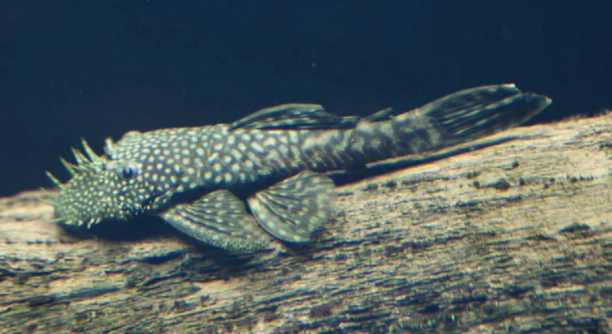
Breeding plecos often experience physical changes. Males, in particular, develop a more pronounced set of fleshy bumps or odontodes on their heads and pectoral fins. These changes are a result of increased hormone levels during the breeding season. These physical traits help attract females.
These bumps are not only a sign of maturity but also play a role in the male’s display behaviors. As they compete for female attention, these physical traits become more prominent, signaling strength and readiness. This physical transformation is a natural part of the pleco’s breeding cycle. It’s important to monitor these changes to ensure they are occurring in a healthy environment.
Understanding these physical shifts helps breeders recognize when plecos are ready to mate. Males often become more assertive and visible as their physical traits change, making it easier to identify the most suitable breeding candidates. It’s essential to provide the proper conditions during this phase to support the plecos’ health and mating behavior.
FAQ
What are the signs that plecos are ready to breed?
Plecos show several signs when they are ready to breed. Males become more territorial and aggressive, claiming a specific area or cave as their breeding site. They also develop noticeable bumps, called odontodes, on their heads and pectoral fins. These changes are triggered by hormonal shifts that occur before and during mating season. Female plecos may also show signs of readiness by becoming more active and willing to interact with the males. Additionally, you may notice a change in behavior, where males start displaying their nests and cleaning them to attract a mate.
How can I set up the right environment for plecos to breed?
To create the right environment, ensure your tank mimics the plecos’ natural habitat. Plecos prefer water temperatures between 75-80°F (24-27°C) and a pH level of 6.5-7.5. They also need stable water conditions, with low current and adequate filtration. Provide plenty of hiding spots, such as caves, rocks, and plants. These areas allow males to establish territories and offer females a safe place to lay eggs. Keeping the tank clean and well-maintained is crucial to avoid stressing the plecos during the breeding process. The right tank setup encourages natural behaviors and reduces competition.
How do I know when a pleco has laid eggs?
You will know when a pleco has laid eggs when you notice small, round eggs sticking to the surface of the cave or breeding site. The male typically guards the eggs by fanning them with his pectoral fins, ensuring they stay oxygenated. The eggs are usually clear or slightly translucent. You might also observe the male staying near the nest more frequently, defending it from other plecos or fish in the tank. After a few days, you may start seeing small fry (baby plecos) near the nest as they hatch.
How long does it take for pleco eggs to hatch?
Pleco eggs generally take 3 to 7 days to hatch, depending on the water temperature and other environmental conditions. Warmer water temperatures can speed up the hatching process, while cooler temperatures may slow it down. The male usually guards the eggs until they hatch, ensuring they stay safe and oxygenated. Once hatched, the fry will stay in the nest for several more days to absorb their yolk sacs. After that, they will begin swimming freely in search of food. It’s important to maintain the right water conditions during this time to ensure successful hatching.
Can plecos breed with other species of fish?
Plecos generally do not breed with other species of fish. They are a separate species and will only breed with other plecos. Even if different species of plecos are present in the same tank, they typically only breed with members of their own species. However, certain types of plecos can breed with others within the same genus under specific conditions. For example, some species of Hypostomus plecos may interbreed, but this is rare and requires precise environmental conditions. Ensuring that you have a healthy pair of plecos from the same species is the best way to guarantee breeding success.
What should I feed my plecos during breeding?
During breeding, plecos require a high-protein diet to support their increased energy needs. Offer a variety of foods, including algae wafers, sinking pellets, and vegetables like zucchini, cucumber, or spinach. Protein-rich foods like bloodworms, brine shrimp, and live or frozen daphnia are also essential. The male pleco, in particular, will need extra nutrition to maintain his energy while guarding the eggs. It’s important to avoid overfeeding, as excess food can lead to poor water quality, which may stress the plecos and hinder successful breeding.
How can I avoid aggression between plecos during breeding?
To reduce aggression, provide ample space and hiding spots in the tank. Male plecos are territorial, especially during breeding, and will fight for access to the best nesting sites. By offering multiple caves or breeding sites, males can establish their own territories and reduce conflicts. Ensure that your tank is large enough to accommodate the number of plecos you are keeping. Overcrowding can lead to increased stress and aggression. Additionally, monitor tank dynamics closely during the breeding season to ensure that no pleco is becoming overly aggressive or stressed by the presence of others.
What do I do if the pleco eggs aren’t hatching?
If pleco eggs aren’t hatching, several factors could be at play. First, check the water temperature and ensure it is within the ideal range for breeding (75-80°F or 24-27°C). A drop in temperature can slow or stop the hatching process. Also, verify the water quality, as poor water conditions can cause the eggs to become infertile. It’s also possible that the eggs have been abandoned by the male or were never fertilized. If the eggs are still clear and untouched after several days, they may be infertile, and you may need to remove them to prevent contamination of the tank.
When can I remove the fry from the breeding tank?
Fry should remain in the breeding tank for about a week to absorb their yolk sacs. After that, they can be moved to a separate fry tank if necessary. Make sure to wait until the fry are strong enough to swim and feed on their own. At this point, you can start offering finely crushed food, such as algae wafers or baby brine shrimp, to encourage healthy growth. If left in the breeding tank too long, the fry might become stressed or eaten by the adult plecos, especially if there are other fish in the tank. Ensure that the new tank for the fry is well-maintained and provides enough hiding spots for the young plecos to feel safe.
Why are my plecos not breeding?
There are several reasons why plecos may not breed. The most common reasons include improper water conditions, such as incorrect temperature, pH levels, or poor water quality. Additionally, lack of space, inadequate hiding spots, or high levels of aggression can also prevent plecos from breeding. Another factor to consider is the age and health of the plecos. They need to be mature and healthy to breed successfully. If your plecos are not breeding, check the tank setup and ensure the conditions are ideal for their natural behavior. Adjusting these factors can encourage breeding.
Can plecos breed year-round?
Plecos typically breed during specific seasons, with many species breeding during the warmer months. However, under controlled aquarium conditions, breeding can occur year-round if the water temperature and other environmental factors remain stable. Providing a consistent environment with the right temperature, lighting, and water quality can trigger breeding behaviors at any time. While breeding may be seasonal in the wild, aquarium plecos can be encouraged to breed year-round if they are well-maintained and cared for.
Final Thoughts
Breeding plecos can be a rewarding experience, but it requires careful attention to detail. The right environment is key to encouraging successful breeding. Proper water conditions, a stable temperature, and plenty of hiding spots are essential for creating a stress-free atmosphere. Plecos thrive in tanks that replicate their natural habitats, so replicating these factors can help create the right conditions for breeding. Regular water changes and a consistent feeding routine also contribute to the overall health of the fish, ensuring they are in good condition to breed.
Understanding the behaviors and needs of your plecos is crucial for their breeding success. Male plecos tend to be territorial, especially when they are guarding their nests, and this can lead to aggression if not properly managed. Providing ample space and multiple breeding sites can help reduce stress and prevent fights. It’s also important to know when the plecos are ready to breed, as this will give you a better chance of successful reproduction. The presence of eggs is a clear indicator that the breeding process is underway, and it’s essential to monitor the fry closely as they develop. Patience is key during this time.
Breeding plecos may not always be successful at first, and that’s perfectly normal. Each breeding attempt teaches you more about their needs and how to adjust the environment for better results. If the first attempt doesn’t yield the desired outcome, don’t be discouraged. Instead, take note of any changes in behavior, water conditions, or tank setup that may need improvement. Over time, you’ll become more attuned to their needs, and successful breeding will become more frequent. Understanding the intricacies of pleco breeding will make the process easier and more enjoyable in the long run.

Hello,
If you enjoy the content that we create, please consider saying a "Thank You!" by leaving a tip.
Every little bit helps us continue crafting quality advice that supports the health, happiness, and well-being of pets around the world, for pets of all shapes, sizes, and species.
We really appreciate the kindness and support that you show us!