
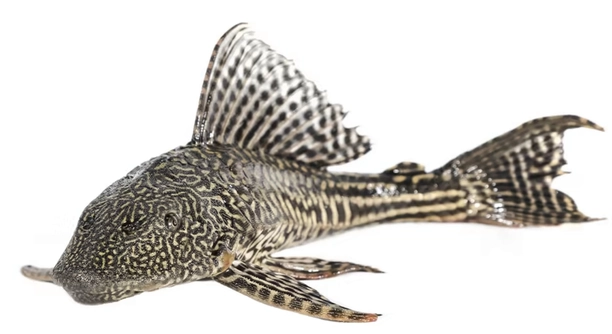
Finding the right food for your pleco can seem challenging, but there are many natural options that are readily available in your kitchen. The right foods can help support your fish’s health and well-being.
Plecos thrive on a variety of natural foods that can be found at home. Vegetables like zucchini, cucumber, and spinach, along with fruits such as apples and pears, provide essential nutrients. These foods offer fiber and vitamins to maintain a healthy pleco diet.
By incorporating these natural ingredients, you can easily create a balanced and nutritious diet for your pleco without the need for specialty foods.
Zucchini: A Simple, Healthy Choice
Zucchini is an excellent food choice for plecos. It is easy to find, simple to prepare, and provides essential nutrients for your fish. The high fiber content supports healthy digestion, and the soft texture is ideal for plecos, as they can easily nibble on it. To prepare zucchini for your pleco, slice it into thin pieces or rounds. You can leave the skin on for extra nutrition.
Zucchini also offers important vitamins, like vitamin A, which helps maintain your pleco’s overall health. It also has a low-calorie content, so it won’t overfeed your fish. As a naturally soft vegetable, zucchini is ideal for plecos, making it a reliable food source.
Whether served fresh or blanched, zucchini can be a key staple in your pleco’s diet. This vegetable is low maintenance and can be given to your fish regularly. Its balance of nutrients makes it a great food choice for your aquarium.
Spinach: A Leafy Green to Try
Spinach is another great option for plecos. It’s rich in vitamins, minerals, and antioxidants. The dark, leafy greens support the immune system and overall health.
Spinach can be given raw or blanched for easier digestion. When preparing spinach for your pleco, simply wash the leaves thoroughly to remove any pesticides or chemicals. It’s a food your pleco will likely enjoy, as it’s soft and easy to nibble on.
Adding spinach into your pleco’s diet can help ensure a healthy, well-rounded intake of nutrients. It’s a reliable choice that pairs well with other vegetables, offering variety in their meals. Regularly feeding your pleco spinach ensures it gets the vitamins and minerals it needs for longevity.
Cucumber: Refreshing and Easy to Prepare
Cucumber is another great option for plecos. It’s light, refreshing, and provides plenty of hydration. Since cucumbers are mostly water, they help keep your fish hydrated while offering essential nutrients. It’s also easy to prepare—just slice it thinly and remove the seeds.
Cucumbers are a good source of fiber, which aids in digestion. They are low in calories, making them a great option for regular feeding without overfeeding your pleco. The mild taste and texture are perfect for plecos, who enjoy nibbling on them throughout the day. Cucumber slices are a great addition to your pleco’s diet.
Just like zucchini, cucumbers can be fed fresh or blanched. While they may not provide as much nutritional value as some other vegetables, they are still a beneficial and low-maintenance option for your pleco. This vegetable provides variety in your fish’s meals and is easy to find at home.
Apples: A Sweet Treat
Apples provide a sweet, crunchy treat that plecos enjoy. They are full of vitamins and minerals that benefit your fish’s health. Apples can be cut into thin slices or chunks for easy consumption.
Ensure to remove the seeds before feeding them to your pleco, as they contain cyanide, which can be harmful to fish. The sweetness of apples can also attract your pleco, encouraging them to try new foods. Despite being a fruit, apples are a great way to add variety to your pleco’s diet without introducing harmful sugars.
Including apples in your pleco’s diet can help boost its immune system due to the vitamin C content. They also contain antioxidants that contribute to overall health. Apples are a simple yet effective food choice that can be added regularly to your pleco’s meals.
Pears: A Sweet and Nutritious Option
Pears are a great fruit for plecos. They are sweet, soft, and packed with nutrients like fiber, vitamins, and antioxidants. Pears can easily be sliced into thin pieces, making them easy for plecos to eat.
Always remove the seeds and core before feeding them to your pleco, as these parts can be harmful. Pears provide a unique taste and texture, which can keep your pleco interested in its meals. Their soft, watery texture also makes them easy to digest. Adding pears into your pleco’s diet can offer some much-needed variety.
Grapes: A Refreshing Treat
Grapes can be a good snack for plecos, but they must be fed in moderation. They’re a source of vitamins and antioxidants, helping your pleco maintain good health. When serving grapes, be sure to cut them into small pieces to avoid choking.
Grapes are high in natural sugars, so they should be a rare treat. While they provide hydration, overfeeding can lead to issues. This fruit can add variety to your pleco’s diet while offering a natural, refreshing snack. Make sure to wash them thoroughly to remove any pesticides.
Carrots: A Crunchy Snack
Carrots are a solid food choice for plecos, packed with vitamins and nutrients. They provide a good source of beta-carotene, which is important for overall health. To serve carrots, slice them into small pieces or blanch them slightly to make them easier to eat.
Carrots are a great option if you want to add crunch to your pleco’s diet. They are also rich in fiber, supporting healthy digestion. This vegetable is widely available and inexpensive, making it a practical choice for regular feeding. Just be sure to serve them in small, manageable pieces.
FAQ
What is the best food for plecos?
The best food for plecos includes a variety of vegetables and fruits, such as zucchini, cucumber, spinach, and pears. These foods provide essential nutrients like fiber, vitamins, and antioxidants that support overall health. It’s important to offer a mix of options to ensure a balanced diet. Commercial pleco pellets can also be used as a supplement, but natural foods should form the core of their diet.
Can plecos eat fruit every day?
Fruits like apples, pears, and grapes can be given to plecos but should not be fed every day. Fruits are high in natural sugars, which can cause health problems if fed too frequently. It’s best to offer fruit as an occasional treat rather than a daily food source. A few times a week is ideal.
How do I prepare vegetables for my pleco?
To prepare vegetables for your pleco, wash them thoroughly to remove any chemicals or pesticides. Vegetables like zucchini and cucumber should be sliced into small pieces or rounds. You can leave the skin on for extra nutrients. Some vegetables, like spinach or carrots, can be blanched briefly to make them easier to eat. Remove any uneaten food after a few hours to maintain water quality.
Are there any vegetables plecos should avoid?
Plecos should avoid feeding on vegetables like onions, garlic, and avocado. These can be harmful to their health. Onions and garlic can upset their digestive system, while avocado is toxic to many animals, including fish. Stick to safe options like zucchini, cucumber, spinach, and carrots.
Can plecos eat frozen vegetables?
Yes, plecos can eat frozen vegetables, but they should be thawed and prepared properly before serving. Frozen vegetables like peas, spinach, and zucchini can be fed to plecos as long as they are thawed, chopped, and rinsed well to remove excess ice. Frozen vegetables are a good backup if fresh produce is unavailable.
How often should I feed my pleco?
Feeding your pleco 2-3 times a week is generally sufficient, though the exact amount depends on the size of your pleco and the amount of natural food available in the tank. Overfeeding can lead to water quality issues and health problems for the pleco. A few small portions per week, supplemented with algae or pellets, is usually enough.
Can plecos eat algae in the tank?
Yes, plecos naturally feed on algae in their tank, which is an important part of their diet. Algae provide essential nutrients and fiber, helping with digestion. However, it’s not always enough, so supplementing with other foods like vegetables or commercial pellets is recommended to ensure a balanced diet.
Are plecos herbivores or omnivores?
Plecos are primarily herbivores, meaning they mostly eat plant matter such as algae, vegetables, and fruits. However, some species are considered omnivores and will also consume small invertebrates or animal matter in the wild. A pleco’s diet should focus on plant-based foods, but occasional protein sources are acceptable for some species.
Can I feed my pleco meat?
Plecos are mostly herbivores, but some species will eat small amounts of animal protein in the wild. Offering occasional protein sources like shrimp or worms can be beneficial, especially for omnivorous species. However, animal-based foods should only be given sparingly to avoid disrupting their digestive system.
What should I do if my pleco isn’t eating?
If your pleco isn’t eating, check the water quality first. Poor water conditions can cause stress and reduce appetite. Ensure that the water temperature, pH, and ammonia levels are in the proper range. If water quality is good and the pleco still refuses food, consider offering different food types or consulting a vet for further guidance.
Can I feed my pleco store-bought pellets or wafers?
Store-bought pellets or wafers can be used to supplement your pleco’s diet. These products are often formulated to provide a balanced mix of nutrients, but they should not replace fresh vegetables and fruits. Make sure to choose pellets or wafers designed specifically for plecos, as they contain ingredients suited to their dietary needs.
Final Thoughts
Feeding your pleco a balanced diet is essential for its overall health and well-being. While plecos are primarily herbivores, offering a variety of vegetables and occasional fruits helps ensure they receive the necessary nutrients. Foods like zucchini, cucumber, and spinach are excellent choices, providing fiber, vitamins, and minerals. Fruits like pears and apples can also be added occasionally, but they should not make up the majority of the diet due to their natural sugar content. Offering a variety of foods keeps your pleco engaged and helps support its digestive health.
In addition to vegetables and fruits, plecos can benefit from occasional protein sources. Some species of plecos are omnivores and may eat small amounts of animal matter, such as shrimp or worms, but this should be done sparingly. Overfeeding protein can lead to health issues and disrupt their natural digestive processes. Be mindful of portion sizes and avoid overfeeding, as this can affect water quality and your pleco’s overall health. Regularly removing uneaten food from the tank helps maintain a clean environment and reduces the risk of water contamination.
Lastly, always ensure that the water quality in your tank is optimal. Poor water conditions can cause stress, leading to a lack of appetite and other health problems. Regular water changes and monitoring of temperature and pH levels are essential for your pleco’s health. By maintaining a clean tank and providing a balanced diet, you can help your pleco thrive and enjoy a long, healthy life. A little attention to what they eat and their living environment goes a long way in ensuring your pleco remains happy and healthy.

Hello,
If you enjoy the content that we create, please consider saying a "Thank You!" by leaving a tip.
Every little bit helps us continue crafting quality advice that supports the health, happiness, and well-being of pets around the world, for pets of all shapes, sizes, and species.
We really appreciate the kindness and support that you show us!