
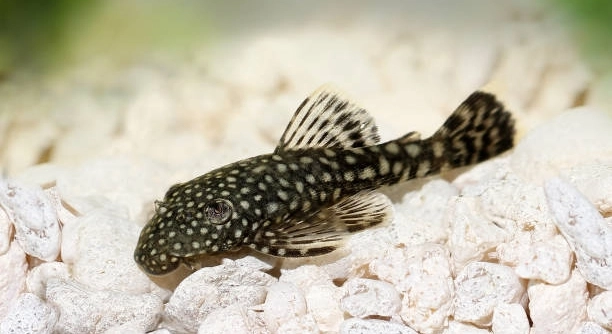
Plecos are beloved aquarium fish known for their peaceful nature and helpful algae-eating habits. However, like all fish, they require proper care to thrive. Oxygen levels in the tank play a crucial role in their health.
Insufficient oxygen can affect your pleco’s behavior, leading to lethargy, erratic swimming, and other signs. It’s important to monitor water conditions regularly to ensure your pleco gets the oxygen it needs to stay healthy.
By understanding the signs of oxygen deprivation, you can take steps to improve their living conditions. Keep reading to learn how to spot potential issues and maintain a balanced aquatic environment for your pleco.
1. The Impact of Low Oxygen on Plecos
When oxygen levels drop in the aquarium, plecos can quickly show signs of distress. These fish are sensitive to water quality, and low oxygen can lead to slower movement, irregular swimming patterns, or an unwillingness to eat. In some cases, you might notice them hovering near the water surface or staying in one place for extended periods. This behavior occurs because they are trying to access the oxygen-rich water near the surface. Without proper oxygenation, their overall health declines, and their immune system weakens, making them more vulnerable to diseases.
Pay close attention to any unusual behavior in your pleco. If your fish is acting differently or seems sluggish, it might be a sign that the oxygen levels are too low.
Maintaining a proper oxygen level is vital to your pleco’s well-being. It’s essential to monitor the water’s oxygen content regularly and ensure that your aquarium is well-maintained. Regular water changes, proper filtration, and aeration will help your pleco stay healthy and active.
2. Common Causes of Oxygen Deprivation in Aquariums
Oxygen deprivation in plecos can occur for several reasons. Poor water circulation is one of the primary issues. If there is not enough movement in the water, oxygen doesn’t dissolve as well, leading to low levels. Another common cause is overcrowding in the tank. Too many fish means there’s more demand for oxygen, and the available supply may not be sufficient for everyone. Finally, inadequate filtration or dirty water can reduce oxygen levels. Organic waste like uneaten food, fish waste, and decaying plant matter can consume oxygen, leaving less for your pleco to breathe.
Proper filtration is key to maintaining good water quality. A well-functioning filter will help oxygenate the water and remove excess waste, promoting a healthier tank environment. If you’re noticing signs of low oxygen, checking your filtration system should be your first step.
A few adjustments can help restore oxygen levels. Start by ensuring your tank has proper water flow, either through water pumps, air stones, or surface agitation. Make sure the filter is adequate for the size of your aquarium, and consider reducing the number of fish if overcrowding is an issue. Regular water changes and monitoring water temperature are also important steps in improving oxygen availability. When these factors are addressed, your pleco should have a better chance at thriving.
3. Signs Your Pleco is Struggling with Oxygen
If your pleco is staying near the surface of the water, it might be trying to find oxygen-rich areas. Another sign is if it becomes more sluggish than usual, especially after lights go out or during the night. Erratic swimming or difficulty staying upright can also indicate low oxygen levels.
Lethargy is often one of the first signs of low oxygen. If your pleco is spending most of its time near the surface or not moving much, it’s important to investigate the oxygen levels in the tank. You may also notice other fish exhibiting similar symptoms, which further suggests a problem with water quality. Keep an eye on the overall behavior of all your fish to spot issues early.
In addition to physical symptoms, monitor your pleco’s appetite. A lack of interest in food could also point to low oxygen levels. This could be because they are feeling stressed or not getting enough oxygen to remain active and hunt for food. Regular water testing and checking your aquarium’s filtration can help pinpoint any oxygen-related issues.
4. How to Measure Oxygen Levels in Your Aquarium
To check if your pleco is getting enough oxygen, invest in an oxygen test kit for your aquarium. These kits are easy to use and can give you a clear idea of the water’s oxygen content. Keeping track of oxygen levels can prevent health issues for your fish.
You can also observe the behavior of your pleco. If it’s consistently staying near the surface or seems to be struggling to breathe, it’s time to check the oxygen levels. If other signs like slow swimming or lethargy are present, this is another clue that the oxygen is low.
5. How to Improve Oxygen Levels
Increasing the oxygen levels in your aquarium is simple. Consider adding an air pump, air stones, or adjusting your filter to increase water movement. Surface agitation helps oxygen mix into the water more effectively, which benefits all the fish, including your pleco.
Changing water regularly is essential to maintaining good oxygen levels. By removing waste, uneaten food, and fish waste, you can improve water quality and ensure that oxygen is more easily accessible. Ensure that your tank is not overcrowded, as fewer fish will reduce the overall oxygen demand.
6. Importance of Proper Tank Maintenance
Regular tank maintenance ensures your pleco has access to adequate oxygen. Clean filters, perform regular water changes, and remove excess debris. The more effort you put into maintaining water quality, the healthier your pleco will be.
The health of your pleco depends on a stable, clean environment. Poor maintenance can lead to low oxygen levels, which harms the fish. By staying on top of these tasks, you create an environment where your pleco and other aquarium inhabitants can thrive without worrying about oxygen shortages.
FAQ
How can I tell if my pleco needs more oxygen?
If your pleco is staying near the surface or swimming erratically, it could be trying to access oxygen-rich areas. Lethargy and lack of appetite are also signs of oxygen deprivation. Pay attention to how your pleco moves, eats, and interacts with other tankmates. If it seems slower than usual or is hovering near the top, it may need more oxygen.
Can low oxygen affect the health of my pleco?
Yes, low oxygen levels can weaken your pleco’s immune system, making it more susceptible to diseases. When oxygen is limited, the fish’s metabolism slows down, causing lethargy and stress. Over time, this can lead to more serious health issues like fin rot, fungal infections, and even death if left unaddressed. Keeping oxygen levels optimal is crucial for your pleco’s long-term health.
Is it normal for plecos to swim near the surface?
While plecos typically stay closer to the bottom of the tank, they may swim near the surface if oxygen levels are low. If you notice your pleco consistently swimming in this area, it could be trying to get more oxygen. If this behavior is paired with other signs like reduced movement, it’s a good idea to check oxygen levels in your tank.
What are the best ways to increase oxygen in my tank?
There are several ways to boost oxygen levels in your tank. Adding an air pump with an air stone helps to increase surface agitation, which allows oxygen to dissolve into the water. A good-quality filter also promotes oxygenation by circulating the water. You can also adjust the flow rate of the filter to increase water movement. Regular water changes, keeping your tank clean, and avoiding overcrowding can also help maintain healthy oxygen levels.
Can plants help improve oxygen in my aquarium?
Yes, live plants can contribute to better oxygen levels. During the day, plants absorb carbon dioxide and release oxygen as part of photosynthesis. However, at night, plants reverse this process and consume oxygen, so it’s important not to rely solely on plants for oxygenation. While they do help, you should still maintain proper filtration and aeration.
How often should I test oxygen levels in my aquarium?
Testing oxygen levels regularly is a good habit, especially if you notice your pleco acting differently. You should check the oxygen levels at least once a month, or more frequently if you have a lot of fish or if you’ve recently added new equipment or made changes to your tank. If your pleco shows signs of distress, it’s worth testing the oxygen levels immediately.
Do plecos need oxygen pumps?
Plecos do not specifically require oxygen pumps, but having an air pump or air stone can significantly improve oxygen distribution in your tank. If your aquarium is not well-oxygenated due to lack of surface movement or water flow, adding an air pump can help ensure that your pleco gets enough oxygen, especially in tanks with poor circulation.
Why is my pleco so active at night?
Plecos are nocturnal fish, meaning they’re naturally more active during the night. This is when they typically search for food and explore their environment. If your pleco becomes especially active at night, it’s simply following its natural behavior. However, if this activity is abnormal or linked with erratic swimming, it could be due to stress from oxygen deprivation.
What temperature is best for my pleco?
Most plecos thrive in water temperatures between 74°F and 80°F (23°C to 27°C). Water that is too warm or too cold can affect oxygen levels and cause stress to your pleco. Higher temperatures reduce the amount of dissolved oxygen in the water, so it’s important to maintain a consistent, moderate temperature to ensure your pleco has the best chance at getting enough oxygen.
Can plecos survive in low oxygen environments?
Plecos are hardy fish but are still vulnerable to low oxygen environments. They are known to thrive in well-oxygenated waters, but if the oxygen levels are consistently low, their health can deteriorate. If you’re unable to maintain proper oxygenation, your pleco may not survive long-term. Oxygenation is vital for their survival and well-being.
How do I clean my filter to maintain oxygen flow?
To clean your filter, turn it off, and carefully remove it from the tank. Disassemble it according to the manufacturer’s instructions, and rinse the filter media in aquarium water (not tap water) to preserve beneficial bacteria. Clean the filter pump and impeller to ensure it’s functioning well. Reassemble the filter and place it back in the tank. Regular cleaning of the filter helps maintain good water circulation and oxygen levels.
What size tank is best for a pleco?
A pleco needs ample space to thrive, as they can grow quite large. For a single pleco, a tank size of at least 75 gallons is recommended. Larger tanks provide more oxygen, better filtration, and allow for improved circulation. A cramped tank can lead to poor water quality and low oxygen levels, putting your pleco at risk.
Can overfeeding cause oxygen problems?
Yes, overfeeding can contribute to oxygen problems. Excess food that’s left uneaten breaks down and creates organic waste, which consumes oxygen in the tank. This can lower the overall oxygen levels and harm your pleco. Make sure to only feed your pleco what it can consume in a few minutes to avoid excess waste. Regularly remove any uneaten food to prevent oxygen depletion.
How does overcrowding affect oxygen levels?
Overcrowding increases the number of fish in the tank, which also increases the demand for oxygen. With too many fish in a small tank, there may not be enough oxygen for all of them. It’s important to keep an eye on the stocking levels in your aquarium and make sure the tank is appropriately sized for the number of fish. If the tank is overcrowded, it’s a good idea to upgrade to a larger tank or remove some fish to prevent oxygen issues.
Final Thoughts
Ensuring that your pleco has enough oxygen is crucial for its well-being. When oxygen levels are low, your pleco can become sluggish, stressed, or even sick. As a peaceful, bottom-dwelling fish, plecos rely on their environment to maintain the right conditions for their health. If the water lacks oxygen, it can affect their ability to feed properly, swim, or even breathe efficiently. As an aquarium owner, it’s important to monitor oxygen levels and take action if you notice any signs of oxygen deprivation.
There are several ways to improve oxygen levels in your aquarium. Adding an air pump, using an air stone, or increasing water circulation with a more powerful filter can help maintain a healthy environment for your pleco. In addition to equipment, regular water changes, avoiding overcrowding, and removing waste can prevent oxygen depletion. Keeping the tank clean and ensuring that the water is always fresh will go a long way in supporting your pleco’s health. You don’t need to make drastic changes, but small adjustments can make a big difference.
Taking care of your pleco involves more than just feeding and cleaning the tank. By keeping oxygen levels in check and maintaining proper water quality, you create a better habitat for your fish. These simple steps can help your pleco live a long, healthy life. Regularly checking the water, watching your pleco’s behavior, and making small improvements will keep oxygen levels balanced and help your fish thrive. With attention to detail and care, your pleco can stay happy and healthy in its home.

Hello,
If you enjoy the content that we create, please consider saying a "Thank You!" by leaving a tip.
Every little bit helps us continue crafting quality advice that supports the health, happiness, and well-being of pets around the world, for pets of all shapes, sizes, and species.
We really appreciate the kindness and support that you show us!