
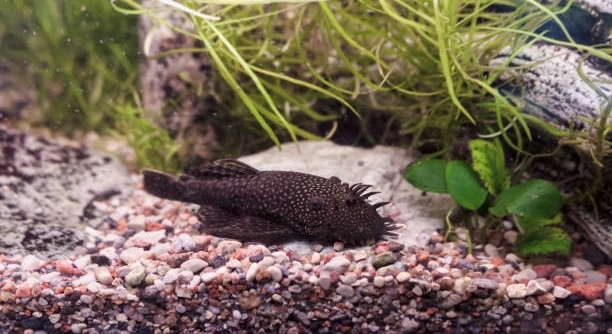
Plecos are popular aquarium fish known for their algae-eating habits. However, they require a specific environment to thrive, and certain tank conditions can negatively affect their health. Proper care is essential to ensure their well-being.
The seven most critical pleco tank conditions to avoid are poor water quality, inadequate tank size, incorrect water temperature, improper lighting, insufficient hiding spots, unbalanced diet, and incompatible tank mates. Each factor can stress or harm the pleco, shortening its lifespan.
These conditions can cause long-term damage to your pleco’s health if left unaddressed. By understanding these issues, you can create a more suitable environment for your fish to thrive in. Let’s explore how you can improve their living conditions.
Poor Water Quality
Water quality plays a vital role in the health of your pleco. High ammonia levels, nitrites, and nitrates can cause serious harm. Even slight changes in pH or hardness can stress them. To avoid these problems, you should monitor water parameters regularly. The water should be clean, clear, and free from pollutants to keep your pleco happy.
Maintaining good water quality requires regular water changes and a functioning filtration system. Regularly test the water with a reliable kit to make sure that ammonia and nitrites remain at zero. Nitrates should be kept below 20 ppm for optimal health.
You also need to pay attention to the temperature. Plecos prefer stable, warm water, with temperatures ranging between 74-80°F (23-27°C). Sudden temperature swings or poor filtration can disrupt the water balance, making it harder for your pleco to adjust. Keeping your aquarium’s environment stable will help avoid these issues and promote your pleco’s well-being.
Inadequate Tank Size
Your pleco needs space to move around and thrive. A tank that’s too small will cause stress and stunted growth. Plecos can grow quite large, and a tank that doesn’t offer enough space will limit their development.
A 30-gallon tank is usually the minimum for smaller pleco species. However, if you’re housing a larger pleco, consider a tank that’s 50 gallons or more. Giving your fish the proper space ensures they have room to swim freely and reduces the risk of stress-related health problems.
A cramped environment can lead to territorial behavior, and without enough space, your pleco might not reach its full potential size. A larger tank also makes it easier to maintain water quality, as the larger volume dilutes harmful substances. When you provide an adequate living space, your pleco can grow into a healthy and happy fish.
Incorrect Water Temperature
Water temperature has a significant impact on the health of your pleco. Too hot or too cold water can lead to stress, making your fish more vulnerable to diseases. Plecos prefer stable temperatures within the range of 74-80°F (23-27°C).
Consistently keeping the water within this range will help your pleco feel comfortable and active. If the temperature fluctuates, it can cause stress, which weakens the immune system and can lead to illnesses. Using a heater with a reliable thermostat will help maintain the proper temperature and avoid these issues.
In addition to the temperature itself, sudden changes can cause shock, so it’s important to avoid introducing plecos to extreme conditions. Ensure your aquarium heater is not malfunctioning and that the water temperature remains steady. A stable environment will help your pleco stay healthy and thrive in your tank.
Improper Lighting
Lighting is often overlooked, but it’s important for plecos. Too much light can stress them, and too little can affect their ability to find food. Plecos are nocturnal creatures, so they prefer dim, low-intensity lighting during the day.
For your pleco’s comfort, use a gentle lighting system. A timer can be helpful to simulate day and night cycles. Keeping the lighting low or using natural light is usually sufficient for most pleco species. Excessive bright lights can lead to stress, and your pleco might hide more often.
A light that’s too bright may also encourage algae growth, leading to poor water quality. It’s best to keep lighting moderate and consistent. Additionally, providing dark hiding spots like caves will give your pleco a place to retreat when the tank gets too bright. This helps maintain a healthy, stress-free environment.
Insufficient Hiding Spots
Plecos need places to hide and feel secure. Without adequate hiding spots, they may become stressed or even injured. Providing caves or plants offers them a sense of safety, which is essential for their well-being.
Hiding spots are also important during the day, as plecos are nocturnal and prefer darkness. You can use decorations like driftwood, rocks, or artificial caves to create these safe areas. This will help your pleco feel more comfortable and less likely to hide all the time.
A stressed pleco is more prone to illnesses and won’t be as active. Offering a variety of hiding spots improves their overall quality of life in the tank.
Unbalanced Diet
Plecos need a balanced diet to stay healthy. While they do consume algae, this should be supplemented with high-quality pellets, vegetables, and occasional protein. A lack of variety can lead to malnutrition or health problems.
It’s crucial to provide a range of foods, such as blanched zucchini, spinach, and occasional protein sources like bloodworms. This will help meet all the nutritional needs of your pleco. Also, ensure the food is in the right form to make it easier for them to consume.
A poor diet can weaken their immune system, making them more susceptible to diseases. By offering a well-rounded diet, you’re helping your pleco stay strong and vibrant.
Incompatible Tank Mates
When choosing tank mates for your pleco, be mindful of their temperament. Aggressive or overly active fish may stress out your pleco. It’s best to avoid species that will compete for space or food.
Plecos usually do well with peaceful fish like tetras, gouramis, and other non-aggressive species. Keep in mind that plecos are bottom dwellers, so they need space on the substrate. Avoid overcrowding the tank with too many fish, as this can lead to territorial issues.
FAQ
What is the best water temperature for a pleco?
The ideal water temperature for most plecos ranges between 74°F and 80°F (23°C – 27°C). Keeping the water within this range will help them remain active and healthy. If the water is too cold or too warm, it can stress the pleco, weakening its immune system and making it prone to diseases.
How often should I change the water in a pleco tank?
You should perform partial water changes at least once a week, replacing 20-30% of the tank’s water. This helps remove waste products, maintain water quality, and reduce harmful levels of ammonia, nitrites, and nitrates. If you have a larger tank or more plecos, you might need to change the water more frequently.
What do plecos eat besides algae?
While plecos do eat algae, they need more variety in their diet to stay healthy. Offer them a mix of sinking pellets, blanched vegetables like zucchini and spinach, and occasional protein sources like bloodworms or shrimp. This balanced diet ensures they get all the nutrients they need for growth and health.
Can I keep a pleco with other fish?
Yes, plecos can live with other peaceful fish. However, you should avoid keeping them with aggressive or very active species, as they might stress out the pleco. Additionally, ensure there’s enough space and hiding spots in the tank for your pleco to feel secure and comfortable.
How long do plecos live?
The lifespan of a pleco depends on the species, but most plecos live between 10 to 15 years with proper care. Providing them with a stable environment, a balanced diet, and good water quality will help them live a long, healthy life. Some species can even live up to 20 years.
Do plecos need a filter?
Yes, plecos need a filter to keep the water clean. They produce a lot of waste, which can quickly lead to poor water quality. A good filtration system will help remove excess waste and keep the water parameters stable. Choose a filter that suits the size of your tank and is strong enough for your pleco’s needs.
How big do plecos get?
Plecos can grow quite large, depending on the species. Common plecos can reach lengths of up to 24 inches (60 cm) in the right conditions. Smaller species, like the bristlenose pleco, typically grow to around 4 to 6 inches (10-15 cm). Make sure your tank is large enough to accommodate your pleco’s potential size.
Can I keep a baby pleco in a small tank?
While baby plecos can start in smaller tanks, they still need space to grow. It’s best to provide them with a larger tank as they grow to avoid stunted growth and stress. A 30-gallon tank is usually the minimum, especially for larger species. A cramped environment can harm their health.
Do plecos need light at night?
No, plecos are nocturnal and prefer low lighting. During the night, they are most active, searching for food and exploring their environment. Bright lights can stress them out, so it’s best to keep lighting dim or use a timer to simulate a natural day-night cycle.
What kind of substrate is best for plecos?
Plecos do well with a soft, sandy substrate that won’t damage their sensitive underbellies. Avoid sharp gravel, as it can cause injury. A fine-gravel or sand substrate is the best option to allow them to move around comfortably without risking harm.
Why is my pleco hiding all the time?
Plecos are nocturnal and may hide during the day to feel safe. However, if your pleco is hiding all the time, it could be a sign of stress, poor water quality, or insufficient hiding spots. Check the water parameters and add more hiding places to give your pleco a secure environment.
Can plecos live in cold water?
Most pleco species are tropical and require warm water to thrive. Keeping them in cold water can stress them out and lead to health problems. If you’re considering keeping plecos in cold water, make sure the temperature is within the appropriate range for their species, usually between 74°F and 80°F.
How do I know if my pleco is healthy?
A healthy pleco will have smooth, clean skin without lesions or spots. It should swim actively, especially at night, and actively search for food. Healthy plecos are also good eaters. If your pleco is lethargic, has visible damage, or refuses to eat, it may be a sign of illness or stress.
Should I get a pleco for algae control?
While plecos can help reduce algae in your tank, they shouldn’t be relied upon as the sole method of control. They won’t eat all types of algae and can leave some areas untouched. Regular tank maintenance, proper lighting, and water quality management are the best ways to control algae.
Final Thoughts
Taking care of a pleco requires attention to detail and consistency. Ensuring proper water quality, temperature, and a suitable tank size will help your pleco thrive. Regular water changes, careful feeding, and maintaining the right environment can make a big difference in your fish’s overall health. Remember that a pleco is not just a cleaning fish; it’s a living creature that needs the right care to live a long and healthy life.
It’s important to pay attention to their behavior and any signs of stress. A stressed pleco may hide more often or stop eating, which can be a sign of poor water quality, inadequate tank mates, or even the wrong tank conditions. Monitoring their activity, providing plenty of hiding spots, and keeping the tank environment stable are key steps in ensuring they remain healthy. If any issues arise, addressing them early will prevent further stress or complications.
Overall, a pleco can be a great addition to your aquarium. They are hardy and relatively easy to care for, but they do need the right environment to flourish. By understanding their needs and making adjustments as necessary, you can create a suitable home for your pleco that will allow it to thrive for many years. Just remember to stay consistent with their care, keep an eye on water parameters, and provide a balanced diet. With the right setup, your pleco will be a happy and active member of your tank.

Hello,
If you enjoy the content that we create, please consider saying a "Thank You!" by leaving a tip.
Every little bit helps us continue crafting quality advice that supports the health, happiness, and well-being of pets around the world, for pets of all shapes, sizes, and species.
We really appreciate the kindness and support that you show us!