
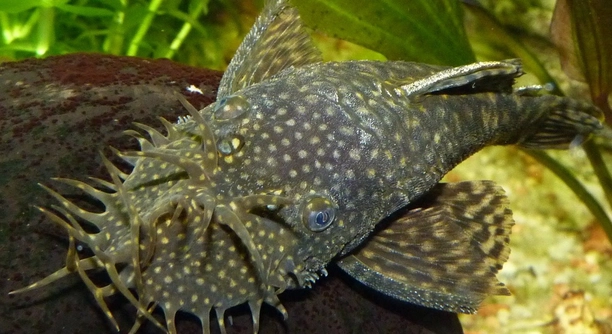
Do you ever find yourself wondering why your plecostomus seems restless at night or hides more than usual during the day?
Plecostomus sleep patterns can be disrupted by several environmental factors such as excessive light exposure, water quality changes, and tankmate behavior. These disturbances may lead to stress, decreased activity, and weakened immune responses.
Understanding what affects your pleco’s rest can help you create a healthier, more peaceful home for your nocturnal fish friend.
Bright Lights at Night
Plecos are nocturnal, so they rest during the day and become active after dark. Bright tank lights left on overnight can confuse their internal rhythm, causing them to stay alert when they should be resting. This ongoing light exposure can lead to fatigue and irregular activity. Even lights from nearby rooms or windows can affect their sleep patterns. A constant light source, especially one that is intense or directed at the tank, may make your pleco feel unsafe and on edge. Over time, this disruption in their natural routine can weaken their immune system and affect their behavior. To help your pleco rest, it’s best to keep their tank in a quiet, dimly lit area during the night. Using a timer for your aquarium lights or adding a background can also help create a more peaceful and natural light cycle for them, supporting their need for regular rest.
Too much light at night doesn’t just bother them—it keeps them from getting the quiet time they need to recover and stay healthy.
If you notice your pleco hiding more during the day or staying still at odd times, it could be due to disrupted light exposure. Fixing this often starts with adjusting your lighting schedule. You don’t need to buy expensive equipment—just make sure your pleco gets consistent dark periods each night. Lights should be off for at least 8 to 10 hours. If the tank is near a window, consider using blackout curtains to block out outdoor lighting. This helps create an environment where your pleco can settle down and get the rest it needs without interference.
Aggressive Tankmates
Some fish don’t play well with others, and plecos are no exception. Aggressive tankmates may chase or disturb your pleco, especially when it tries to rest.
Plecos need calm, stable conditions to sleep properly. If other fish in the tank are constantly picking at them, swimming too fast, or showing territorial behavior, your pleco may never fully relax. This constant stress leads to disrupted sleep, which over time can affect eating habits and overall health. While plecos have a tough exterior, they are sensitive to movement and tension around them. It’s common for fast or aggressive fish like cichlids to cause problems, especially in tanks that are too small or lack hiding places. To help your pleco rest, provide plenty of spots to hide—driftwood, caves, or dense plants all work well. Also, consider tank size and space. Crowding adds to stress. Observe how your fish interact during quiet hours. If you notice bullying, it may be time to separate species or rethink your tank setup.
Poor Water Conditions
Unstable or dirty water can interrupt your pleco’s rest, even if everything else seems fine. High ammonia, nitrite, or nitrate levels make it uncomfortable and unsafe for them to relax or feel secure.
Plecos are sensitive to changes in water quality. If the tank isn’t cleaned regularly, waste can build up and lower oxygen levels, making it harder for them to rest. Poor water conditions can also cause skin irritation, affecting their comfort and behavior. It’s important to monitor pH, temperature, and ammonia levels weekly. A simple water testing kit can help you spot problems early. Regular partial water changes—about 20–30% weekly—are key. If your pleco seems restless or hides all day, check the tank conditions. A healthy environment helps your pleco feel at ease, encouraging proper rest and reducing stress-related behavior.
Aside from physical discomfort, bad water quality can make plecos feel constantly alert. When the environment feels off, they’ll stay on edge instead of settling down. Even slight chemical imbalances or temperature swings can throw off their natural rhythm. Always condition tap water before adding it to the tank, and avoid overfeeding, which can dirty the water quickly. Keeping the filter clean and choosing a size that matches your tank can also improve water quality. When conditions are right, plecos tend to be calmer and more consistent in their sleep patterns. Their comfort depends on you keeping their water safe, stable, and clean.
Lack of Hiding Spots
Without enough hiding places, plecos can’t feel safe enough to rest, especially during the daytime when they prefer to sleep. Open tanks with little coverage can leave them feeling exposed and anxious.
Plecos naturally seek dark, secure spaces to hide and rest during the day. If the tank lacks driftwood, caves, or plants, they stay alert and active for longer than they should. This makes them tired and more vulnerable to illness. Adding a variety of hiding spots—such as ceramic caves, stacked stones, or thick plant cover—can help them feel protected. Spread them out across the tank so the pleco has choices and space. Make sure the hiding places are big enough for your pleco to fit comfortably, especially if it’s growing. A stressed pleco won’t sleep well, and poor rest can lead to a range of health issues. A few simple decorations can make a big difference.
Loud Noises and Vibrations
Constant noise near the tank, like from TVs, speakers, or loud conversations, can disturb your pleco’s rest. They are sensitive to vibrations, and these sounds can make them feel unsafe or stressed.
Even tapping on the glass or slamming doors nearby can startle them. Keeping the tank in a quieter area helps.
Inconsistent Tank Routine
Plecos rely on consistency in their environment. Sudden changes in feeding times, lighting, or water conditions can stress them out. Try to stick to a regular routine—feed them around the same time daily and maintain a steady light schedule. Sudden shifts in these patterns may confuse their internal rhythm and interrupt rest. Stability helps them feel secure, which leads to better sleep and overall health. Check that lights turn on and off at the same time each day, and avoid moving tank decorations too often. When their surroundings stay predictable, plecos can settle into better sleep patterns without unnecessary stress.
Overcrowding in the Tank
Too many fish in one tank creates stress and limits space for rest. This forces your pleco to stay alert, even when tired.
FAQ
How many hours a day do plecos sleep?
Plecos don’t sleep in the same way that humans do, but they do enter restful, inactive periods throughout the day. On average, plecos rest for 8 to 10 hours during daylight hours, since they are mostly nocturnal. You’ll usually find them motionless in a dark, quiet spot like under driftwood or inside a cave. Their breathing slows, and they stay still for long stretches. They may still respond to disturbances, but their activity level is much lower. If they feel safe and undisturbed, this resting period helps with recovery and overall health.
Do plecos need complete darkness to sleep?
They don’t need pitch-black conditions, but dim or low lighting helps a lot. Bright lighting makes them feel exposed and can stop them from entering a restful state. It’s ideal to provide at least 8 hours of darkness or dim conditions to help them settle into rest. If your tank light is strong, consider using a timer to automatically turn it off during nighttime. Placing the tank in a spot away from TVs or windows can also help reduce light pollution. Plecos feel most secure when they have a predictable light cycle and dark hiding spots.
Why does my pleco stay hidden all the time?
Hiding all day is normal for plecos, especially if they feel stressed or unsafe. Since they’re nocturnal, they naturally avoid bright spaces and prefer to be tucked away during daylight hours. If your pleco never comes out, even at night, check the tank for signs of aggression from other fish, poor water quality, or lack of space. Sometimes, too much movement or loud noise around the tank can also keep them hiding. If everything looks fine and they still hide often, it could just be their individual personality or natural behavior, especially in new environments.
Can a pleco get sick from not sleeping enough?
Yes, plecos can show signs of stress and illness if they don’t get proper rest. Constant disturbances—like lights, noise, or aggressive tankmates—can prevent them from feeling safe enough to rest. Over time, this can lead to weakened immunity, changes in appetite, and increased hiding or unusual swimming behavior. They may also appear dull or sluggish. Addressing whatever is disturbing their rest can help improve their health. Watch their behavior closely and make sure they have quiet, dark places to retreat to. Regular rest is just as important to them as good food and clean water.
What kind of hiding spots work best for plecos?
Plecos like enclosed, shaded areas. Good options include driftwood with natural curves, ceramic caves, rock piles, and dense plants. These hiding places should be big enough for them to enter fully, with at least one side protected from open space. Driftwood is especially useful, as it can also help with digestion for many pleco species. Avoid sharp or unstable decorations that could shift or trap them. Place hiding spots in different areas of the tank so they have choices. The more secure they feel, the more likely they are to rest properly during the day.
Is it okay if my pleco is more active during the day?
While plecos are usually more active at night, some individuals adjust their schedule based on their environment. If your pleco is active during the day, it might be due to feeding routines, tank lighting, or simply their personality. As long as they’re not showing signs of stress—like rapid breathing, erratic swimming, or loss of appetite—being active in the daytime isn’t necessarily a problem. Just make sure they still have time to rest undisturbed. Keep an eye on their overall behavior, and adjust their environment if they seem restless or avoid sleeping altogether.
Should I use a light timer for my pleco’s tank?
Yes, using a light timer is helpful. A timer keeps the lighting consistent, which supports your pleco’s internal rhythm. Ideally, the tank should have about 12 hours of light and 12 hours of darkness or dim lighting. This regular schedule helps them know when to rest and when to be active. It also reduces the chance of sleep being interrupted by random lights turning on or off. Light timers are inexpensive and easy to set up. They’re a simple way to improve your pleco’s rest without needing to remember to switch the lights manually.
Final Thoughts
Caring for a plecostomus means more than just feeding and cleaning the tank. Their sleep is a big part of their overall health, and small things in their environment can affect how well they rest. If your pleco seems restless, hides too much, or acts differently than usual, it could be due to something disrupting its sleep. It’s important to pay attention to the tank conditions, lighting, noise levels, and tankmates. When these things are off, plecos may stay alert or stressed for long periods, which can lead to health problems over time.
Most of the changes you may need to make are simple. Try keeping lights off during the night, making sure the water stays clean and stable, and adding plenty of hiding places. Avoid loud noises or tank placements near busy areas of your home. Keep tankmates peaceful and avoid overcrowding. These small adjustments can make a big difference in your pleco’s ability to rest. Even a few hours of undisturbed quiet can help reduce stress and keep them more active and healthy when they’re awake. A calm tank with good routines helps plecos feel secure and comfortable enough to rest when they need to.
By understanding what affects your pleco’s sleep, you can help create a better environment for them. Every pleco is a little different, but they all need a safe space to rest. Watching their habits and adjusting the tank setup as needed can improve their behavior and health. If something seems off, look at the tank as a whole—light, noise, water, and space all matter. A well-rested pleco will often show stronger colors, eat more regularly, and interact with its environment in a calm, steady way. With just a bit of attention to these details, your pleco can thrive quietly and comfortably in its home.

Hello,
If you enjoy the content that we create, please consider saying a "Thank You!" by leaving a tip.
Every little bit helps us continue crafting quality advice that supports the health, happiness, and well-being of pets around the world, for pets of all shapes, sizes, and species.
We really appreciate the kindness and support that you show us!