
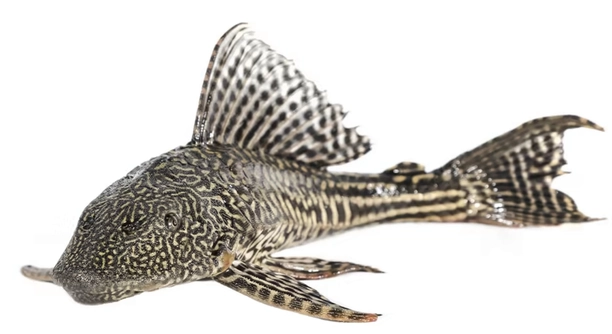
Plecos, shrimp, and snails are popular creatures in the aquarium hobby. If you’re wondering whether they can live together peacefully, you’re not alone. Many aquarists face this question when setting up their tanks.
In general, plecos, shrimp, and snails can coexist in the same tank, but it depends on the species and tank conditions. Plecos are primarily peaceful but can sometimes become aggressive. Shrimp and snails are sensitive to water quality and may be stressed by certain plecos.
Understanding how these creatures interact will help you create a harmonious environment. You’ll need to consider tank size, hiding spots, and the specific species involved.
Can Plecos and Shrimp Live Together?
When it comes to keeping plecos with shrimp, it’s essential to think about the nature of both species. Plecos are bottom-dwelling fish that often spend time foraging for algae and detritus on the tank floor. Shrimp, on the other hand, are smaller and more delicate, frequently scurrying along the substrate for food. While plecos can be peaceful, some species may unintentionally harm shrimp if they are large or overly active.
It’s crucial to choose compatible species when setting up a tank. Plecos such as the Bristlenose are known for their calm temperament, making them a better option for shrimp. Larger species, like the common pleco, may pose a threat to shrimp due to their size and occasional territorial behavior. Additionally, consider the tank’s layout. Shrimp need places to hide from any potential threats, including plecos.
If your tank is large enough and well-planted, shrimp can find safe spots to avoid plecos. Keeping plecos well-fed with algae wafers can also help minimize their interest in hunting small shrimp. By adjusting the environment and carefully selecting species, you can achieve a peaceful tank where plecos and shrimp coexist without harm.
Can Plecos and Snails Coexist?
Plecos and snails are often seen together in aquariums. Snails, like shrimp, thrive in stable, clean environments with plenty of hiding spots. They typically do well in tanks with plecos, as long as both species have enough space.
Plecos, especially smaller species, generally don’t harm snails and can even help control algae that may impact snail health. However, larger plecos may accidentally crush snails with their size or might be curious about snails. Snails are slower movers and may be more vulnerable if plecos become active in their territory.
Providing enough food for both species is key. Plecos can be fed algae wafers, while snails will benefit from sinking pellets or blanched vegetables. The size of the tank also plays a significant role; a spacious tank ensures that the snails have plenty of space to move around freely without becoming stressed. Adding plenty of plants or decorations can further provide snails with hiding spots. By creating a balanced environment, plecos and snails can live harmoniously together.
Tank Size Considerations
The size of your tank plays a significant role in the success of keeping plecos with shrimp or snails. A larger tank gives all species enough space to establish their own territory, reducing stress. A small tank can lead to overcrowding and conflict.
A tank that’s at least 30 gallons is a good starting point for keeping plecos with shrimp and snails. This size ensures enough space for plecos to swim around without disturbing smaller creatures. With a larger setup, each species will have more room to move and find food without getting in each other’s way.
When tanks are too small, it can result in plecos being more territorial or chasing after shrimp or snails. Stress from limited space can lead to health issues for the shrimp or snails. If possible, aim for a 50-gallon tank or more, especially if you plan to keep multiple plecos or other species. Larger tanks also help maintain water quality, which is vital for all the creatures living in it.
Hiding Spots and Decorations
Providing hiding spots for your shrimp and snails is crucial for their safety. These creatures need places to escape from any potential threats, including the plecos. Adding plants, rocks, or caves will give them peace and security.
Using decorations such as driftwood or large rocks helps create natural hiding spots. Plecos tend to be peaceful but may accidentally disturb smaller creatures while searching for food. Shrimp, especially, benefit from dense plant growth and nooks to stay hidden when they feel threatened. Snails also appreciate having plenty of objects to move around and climb on.
The key to success is balance. Too many hiding spots might limit the plecos’ ability to forage for food, while too few can stress the shrimp and snails. Carefully arrange the decorations to ensure there’s enough space for everyone while also providing places for all species to retreat when needed. This setup will create a peaceful environment where each creature feels safe and secure.
Water Parameters
Maintaining stable water parameters is essential for all species in your tank. Plecos, shrimp, and snails have different needs, but they can all thrive in a well-maintained environment. Regular water changes and monitoring are key to their health.
Shrimp and snails are sensitive to water quality, and changes in pH, temperature, or ammonia levels can cause stress. Plecos are more tolerant of slight fluctuations but still need stable conditions. Make sure to test the water regularly to ensure that ammonia, nitrites, and nitrates stay at safe levels.
Having a good filtration system will help keep water clean for all tank inhabitants. An external filter with gentle flow can ensure your plecos have clean water without disturbing the shrimp or snails. Consistent maintenance helps keep everyone healthy and comfortable.
Feeding Practices
Feeding these creatures properly will reduce competition and stress. Plecos are primarily algae eaters, while shrimp and snails need a varied diet of plant matter and sinking pellets. Make sure each species gets what it needs without overcrowding the tank with excess food.
You can feed plecos algae wafers or vegetables like zucchini. Shrimp and snails will enjoy blanched veggies like spinach or cucumbers. Avoid overfeeding to prevent waste buildup, which could affect water quality and health. By providing enough food for each species, everyone will get their nutrients without overcrowding the tank.
Compatibility of Different Pleco Species
When choosing a pleco to live with shrimp or snails, it’s important to select the right species. Some plecos are more aggressive and territorial, which could harm smaller tankmates. Other species are much more peaceful and will coexist better in a community tank.
Species like Bristlenose plecos are generally known for being peaceful and safe around shrimp and snails. They are small in size and won’t pose a threat to delicate creatures. On the other hand, larger species like the common pleco might accidentally harm snails or shrimp due to their size and active behavior. Always research the specific needs of the pleco species you’re considering before adding them to your tank.
FAQ
Can plecos eat shrimp and snails?
Plecos are primarily herbivores, but they can sometimes eat smaller tankmates like shrimp and snails, especially if they are hungry or curious. This risk is higher with larger plecos, as their size and tendency to forage could lead to accidental harm. However, most plecos won’t intentionally hunt shrimp or snails unless they’re starving or if they mistake them for food. It’s essential to make sure plecos are well-fed with algae wafers and vegetables to reduce the temptation to go after smaller creatures in the tank.
Can shrimp and plecos coexist peacefully?
Shrimp and plecos can live together peacefully if the tank is properly set up and the right species are chosen. Plecos like Bristlenose plecos are often more peaceful and less likely to bother shrimp, while larger plecos may be too aggressive or might accidentally hurt them. Providing plenty of hiding spots and ensuring the shrimp have a chance to avoid plecos when necessary can help reduce any potential stress or aggression.
What type of pleco is best for shrimp and snails?
Bristlenose plecos are among the best choices for a tank with shrimp and snails. They are smaller, less territorial, and have a peaceful temperament. Bristlenose plecos primarily feed on algae, and their smaller size makes them less likely to cause problems. Larger plecos, like the common pleco, may not be as compatible, as they can become more active and territorial, leading to potential issues for shrimp or snails.
Do plecos eat snails?
Plecos generally don’t target snails, but it depends on the size and species. Larger plecos may accidentally crush or harm snails as they forage, and some plecos may be curious and nip at snail shells. Smaller plecos, like Bristlenose, are more likely to coexist peacefully with snails. If you’re worried about plecos harming snails, ensure there are enough hiding spots and separate food sources to distract the plecos from the snails.
How do I prevent my plecos from eating my shrimp?
To prevent plecos from eating shrimp, ensure they are well-fed with plenty of food like algae wafers and vegetables. A full pleco is less likely to bother shrimp. Adding plenty of plants and decorations for hiding places is also key to creating a peaceful environment for the shrimp. You can also introduce shrimp species that are fast-moving or more adept at avoiding danger, reducing the chances of them being caught by a hungry pleco.
Can I keep different types of snails with plecos?
Different types of snails can generally be kept with plecos, but it’s important to consider the size and behavior of both species. Smaller snails, such as nerite snails or ramshorn snails, tend to do well with plecos. However, larger snails like apple snails might be more vulnerable if plecos are very active. Make sure the tank provides enough space and hiding spots, especially for snails that move slowly and are easier to target.
What should I feed my plecos if I have shrimp and snails?
Plecos should be fed a varied diet that includes algae wafers, vegetables like zucchini and spinach, and occasional protein-rich foods like shrimp pellets. By providing a well-rounded diet for the plecos, they will be less inclined to seek out shrimp or snails as a food source. It’s also important to avoid overfeeding, as excess food can create waste that impacts water quality, affecting both plecos and their tankmates.
Do plecos eat algae in tanks with snails and shrimp?
Yes, plecos are excellent algae eaters and will help keep your tank clean. In tanks with shrimp and snails, they will continue to graze on algae. However, this shouldn’t be their only food source. Offering additional foods like algae wafers and blanched vegetables ensures they get all the nutrients they need without becoming overly reliant on the algae in the tank, which could leave shrimp or snails hungry if algae levels are low.
Can I keep multiple plecos with shrimp and snails?
Keeping multiple plecos in a tank with shrimp and snails is possible but requires careful planning. Multiple plecos may become territorial, especially if the tank is too small. It’s best to ensure that the tank is large enough to accommodate multiple plecos comfortably. Providing plenty of hiding spots and creating separate zones for each species will help reduce conflicts. Monitor their interactions closely, as plecos may become aggressive toward each other if they feel crowded.
What kind of tank setup is best for plecos, shrimp, and snails?
A well-planted tank with plenty of hiding spots works best for keeping plecos, shrimp, and snails together. Use rocks, caves, and plants to create safe areas for shrimp and snails to retreat. Make sure the water flow is gentle, as plecos prefer calmer conditions, while shrimp and snails can be easily disturbed by strong currents. The tank should also have a good filtration system to maintain clean water, as all species benefit from stable and clean water conditions.
Final Thoughts
When considering keeping plecos with shrimp or snails, it’s essential to remember that compatibility depends largely on the specific species involved and the environment you create. In general, plecos can coexist with both shrimp and snails, but there are some important factors to consider. Plecos are usually peaceful bottom dwellers that primarily feed on algae and detritus, but they can become curious or even accidentally harm smaller tankmates, especially when they are hungry or stressed. Smaller plecos, such as Bristlenose plecos, tend to be more peaceful and less likely to pose a threat to shrimp or snails. Larger plecos, on the other hand, can sometimes be too aggressive or physically imposing for these smaller creatures.
Creating the right environment is key to maintaining a peaceful tank. This means ensuring that your tank is large enough, ideally 30 gallons or more, so all species have enough space to thrive. Providing plenty of hiding spots for shrimp and snails is also crucial. Plants, rocks, caves, and driftwood can help these creatures feel safe and secure, especially when they need to escape from a potentially curious or territorial pleco. By offering these hiding places, you can reduce the chances of stress and ensure that the shrimp and snails have a place to go if they feel threatened. Additionally, a good filtration system will help keep the water clean, which is important for the health of all tank inhabitants.
Finally, keeping an eye on water parameters is crucial when maintaining a mixed-species tank. Plecos, shrimp, and snails all have different needs, but they can thrive together if the water conditions are right. Regular water changes, monitoring the pH, and ensuring that ammonia and nitrite levels are low will help keep your tank healthy. Feeding all your tankmates properly is also important—making sure the plecos have enough food, such as algae wafers and vegetables, will keep them satisfied and less likely to go after shrimp or snails. In the end, with the right care, patience, and setup, plecos, shrimp, and snails can coexist happily, creating a balanced and harmonious aquarium environment.

Hello,
If you enjoy the content that we create, please consider saying a "Thank You!" by leaving a tip.
Every little bit helps us continue crafting quality advice that supports the health, happiness, and well-being of pets around the world, for pets of all shapes, sizes, and species.
We really appreciate the kindness and support that you show us!