
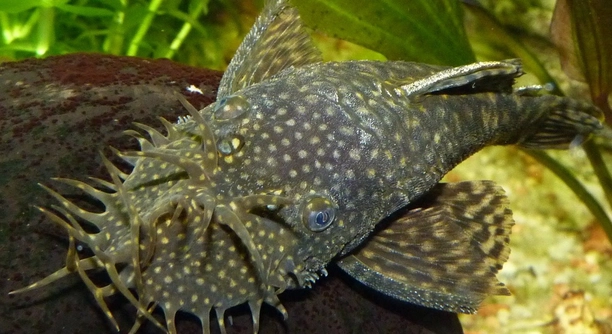
Do you have a pleco in your aquarium but notice it’s not resting on the bottom as expected? This can leave you wondering what’s going on with your aquatic companion.
The most common reasons your pleco may not be resting on the bottom include water quality issues, lack of hiding spots, or potential health problems. It’s important to address these factors to ensure your pleco is comfortable and thriving.
By understanding these key factors, you’ll be better equipped to create a stable environment for your pleco and ensure its well-being.
Water Quality Problems
Water quality plays a huge role in the overall health and comfort of your pleco. When the water in your tank is not clean or balanced, your pleco may feel stressed and avoid the bottom. Common issues include improper pH levels, ammonia, nitrite, or nitrate build-up. Poor water conditions can weaken your pleco’s immune system and make it less likely to rest comfortably at the bottom. Regular water changes and monitoring your tank’s parameters are crucial. Keeping the water clean can help your pleco feel safer and more relaxed in its environment.
Maintaining a proper water filter and testing water frequently helps avoid these issues.
You should perform routine water changes every one to two weeks to prevent harmful build-up and keep the water parameters within the optimal range for your pleco. A good filter system will help eliminate excess waste, but it is also important to remove uneaten food or debris that might contribute to poor water quality. It’s easy to overlook water quality, but it can make a significant difference in your pleco’s behavior and overall well-being. Make sure to monitor ammonia and nitrite levels closely. If your pleco continues to avoid resting on the bottom despite clean water, it could be a sign of other issues that need attention.
Tank Environment and Hiding Spots
The environment around your pleco matters. Without enough hiding places, your pleco may feel exposed or vulnerable. Plecos, especially the larger varieties, prefer to have areas where they can retreat to when they need rest or simply some peace. If your tank is lacking in hiding spots, such as caves, plants, or driftwood, your pleco may avoid staying at the bottom.
Adding hiding spots can encourage your pleco to settle comfortably.
Your pleco might also be seeking comfort in places that provide cover, even if it means staying near the surface. Adding caves or other structures mimics their natural habitat and gives them a place to relax. It is crucial to create a well-balanced aquarium that offers hiding spots and places for exploration. Furthermore, avoiding overcrowding is important. Overcrowded tanks can create stress, which could also affect the pleco’s behavior. When your pleco feels safe, it will be more inclined to rest on the bottom where it prefers. Adding more decorations or plants can make a big difference in how your pleco interacts with its environment.
Pleco Health Issues
If your pleco isn’t resting on the bottom, health problems could be a factor. Illnesses like parasites, internal infections, or injuries can cause your pleco to avoid staying at the bottom of the tank. When a pleco feels unwell, it might try to stay near the surface or in less visible areas of the tank to avoid predators or discomfort.
Look for signs like unusual swimming patterns or loss of appetite.
It’s important to observe any changes in your pleco’s behavior, such as swimming erratically or hiding for extended periods. These could indicate that something is wrong. If you notice any signs of illness, it’s crucial to quarantine your pleco and treat the issue promptly. Internal parasites, for example, can make a pleco lethargic and unwilling to stay at the bottom. Treating the tank and offering food designed for sick fish may help. If things don’t improve, seeking advice from a vet with fish expertise can make a difference.
Tank Temperature
The temperature of your tank can affect your pleco’s behavior. If the water is too warm or too cold, your pleco may not feel comfortable resting at the bottom. Plecos prefer water that stays within a specific temperature range, usually between 74 and 80 degrees Fahrenheit.
Make sure your tank is in the right range for your pleco.
Using a reliable thermometer and heater will ensure the water stays within the appropriate temperature range. If the water is too cold, your pleco may become sluggish and prefer to stay near the surface where it’s warmer. If the water is too hot, it can cause stress and a loss of appetite, leading to your pleco avoiding the bottom. Keep an eye on the temperature and make adjustments as needed to provide a comfortable environment. Maintaining a stable temperature will promote healthy behaviors in your pleco.
Stress from Tank Mates
Tank mates can also impact your pleco’s behavior. If there’s aggression or competition for food, your pleco may avoid resting at the bottom. Plecos are peaceful creatures, but aggressive tank mates can stress them out, making them stay away from the substrate.
Monitor interactions between fish closely.
Some species are more territorial and may try to chase your pleco, especially during feeding times. This constant stress may make your pleco feel unsafe and lead it to avoid settling on the bottom. To reduce aggression, consider adding more hiding spots or re-evaluating the fish community in your tank.
Feeding Habits
Your pleco’s feeding habits can influence its behavior. If you’re overfeeding, uneaten food may float to the surface, encouraging your pleco to spend more time near the top, searching for easy meals. Avoid excess food in the tank.
Feed in moderation to keep your pleco at ease.
A healthy feeding routine ensures that your pleco stays active and nourished. Try feeding small amounts of food regularly to prevent any waste build-up. Uneaten food can contribute to poor water quality, further adding to the stress. Feeding your pleco sinking pellets or algae wafers that it can find at the bottom is a great way to encourage it to rest there.
FAQ
Why isn’t my pleco coming out of hiding?
If your pleco is hiding and not coming out, it could be due to stress, water quality issues, or even illness. Plecos are nocturnal creatures, so they may naturally prefer to stay out of sight during the day. However, if your pleco is hiding excessively, it’s important to check for signs of poor water conditions or check if tank mates are causing stress. Ensure your pleco has plenty of hiding spots, such as caves or plants, to feel secure. Also, look for any signs of disease, like loss of appetite or abnormal swimming.
How do I know if my pleco is sick?
Signs of illness in a pleco can include loss of appetite, lethargy, abnormal swimming patterns, or changes in the appearance of the fins, skin, or gills. If your pleco is consistently staying near the surface or avoiding the bottom, it could be a sign that something is wrong. Look for external symptoms such as spots, swelling, or discoloration. Internal issues like parasites or organ infections can also affect behavior, so consider quarantining your pleco and consulting a vet if symptoms persist.
Can water temperature cause my pleco to not rest at the bottom?
Yes, water temperature can certainly affect your pleco’s behavior. Plecos are sensitive to water temperature, and if the tank is too warm or too cold, it may cause stress or discomfort. Plecos typically prefer water temperatures between 74 and 80 degrees Fahrenheit. If the water is too cold, your pleco might become sluggish and seek warmer areas, such as near the surface. On the other hand, if the water is too hot, your pleco might avoid the bottom due to overheating and stress.
How can I reduce stress in my pleco?
To reduce stress in your pleco, make sure your tank has plenty of hiding spots, such as caves, plants, or driftwood. Ensure that your pleco is not being harassed by other aggressive tank mates, as this can lead to stress. Additionally, keeping the water quality high and the temperature stable can help your pleco feel safe. A peaceful environment, free from sudden changes or disturbances, will allow your pleco to rest comfortably at the bottom and enjoy a healthier, more relaxed life.
Is my pleco stressed because of its tank mates?
Yes, aggressive or territorial tank mates can stress your pleco, making it hesitant to rest at the bottom. Plecos are generally peaceful, but they can be intimidated by more dominant fish, which may chase or bully them. If you notice any aggressive behavior, consider rearranging the tank to reduce territorial disputes, or remove the aggressive fish if necessary. Adding more hiding spots for your pleco can also help provide a safe space where it can rest undisturbed.
What type of food should I feed my pleco?
Plecos are primarily herbivores, so their diet should mainly consist of algae, plant matter, and sinking pellets or wafers. You can also offer vegetables like zucchini, cucumber, or spinach, which are easy for plecos to nibble on. Avoid overfeeding, as uneaten food can lead to poor water quality, which may stress your pleco and make it avoid resting at the bottom. A balanced, healthy diet will help keep your pleco active and comfortable in its environment.
Can poor water quality cause my pleco to avoid the bottom?
Yes, poor water quality is one of the main reasons why plecos may avoid resting at the bottom. High levels of ammonia, nitrites, or nitrates can make your pleco feel uncomfortable or stressed. These toxins can irritate its gills and skin, which may lead to it avoiding the substrate. Regular water changes and proper filtration are essential to maintain good water quality. Always monitor the water parameters with a test kit to ensure that the levels are within the safe range for your pleco.
Should I worry if my pleco is swimming at the surface instead of the bottom?
If your pleco is swimming at the surface rather than resting at the bottom, it could be a sign of several things, including poor water quality, temperature issues, or stress. If the water is too warm or too cold, your pleco may seek out a different area of the tank. Similarly, high levels of toxins in the water can make your pleco feel unwell and force it to avoid the bottom. In some cases, your pleco may just be hungry and searching for food at the surface. Monitoring water conditions and ensuring a stable tank environment can help address this issue.
How often should I clean my pleco’s tank?
To maintain a healthy environment for your pleco, regular tank maintenance is key. Perform a partial water change once every one to two weeks, depending on the size of the tank and the number of fish. You should also clean the substrate and remove any uneaten food or debris that may have settled on the bottom. Over time, waste and leftover food can accumulate, leading to poor water quality and stressed fish. Additionally, make sure your filter is working properly and is cleaned as needed.
Why is my pleco spending more time near the surface?
Your pleco may be spending more time near the surface due to a few reasons, including water temperature issues, poor oxygen levels, or an imbalance in water parameters. Warmer water typically has lower oxygen levels, and plecos may move closer to the surface where the oxygen concentration is higher. If the water quality is poor, your pleco might seek out the surface to get away from harmful toxins. Ensure proper filtration and consider adding an air stone or increasing water movement if oxygen levels are low.
Final Thoughts
If your pleco isn’t resting on the bottom as expected, it’s important to look into a variety of factors that could be affecting its behavior. Water quality, temperature, stress from tank mates, and even health issues can all play a part in why your pleco is staying away from the bottom of the tank. Regular water changes, proper filtration, and ensuring that your pleco’s environment is peaceful and secure are all crucial steps to help your fish feel comfortable. By monitoring the water parameters closely and providing enough hiding spots, you can create a more suitable environment for your pleco to thrive in.
Remember that plecos are naturally peaceful and nocturnal creatures. They prefer environments that mimic their natural habitat, where they have plenty of space to hide and explore. If your pleco is avoiding the bottom, it may be trying to stay away from stress or discomfort. By keeping the water clean and making sure there are enough places for it to retreat, you can encourage your pleco to rest in its preferred spots. Understanding your pleco’s behavior and providing a stable environment can make a significant difference in its overall well-being.
Lastly, always keep an eye on your pleco for any signs of illness. If your fish is behaving differently, it could be a sign that something is wrong. Watching for symptoms like abnormal swimming, loss of appetite, or changes in appearance can help you catch any issues early. Whether it’s water quality, tank mates, or health concerns, identifying the problem and addressing it quickly will give your pleco the best chance at a healthy and comfortable life.

Hello,
If you enjoy the content that we create, please consider saying a "Thank You!" by leaving a tip.
Every little bit helps us continue crafting quality advice that supports the health, happiness, and well-being of pets around the world, for pets of all shapes, sizes, and species.
We really appreciate the kindness and support that you show us!