
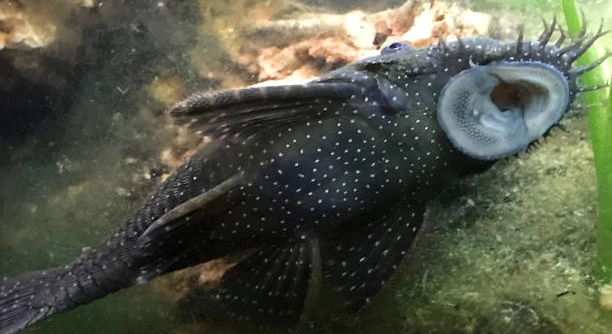
When setting up a tank for your pleco, ensuring a healthy and comfortable environment is essential. This often includes considering the proper equipment and tank companions, such as air stones, which can impact your pleco’s well-being.
Air stones can be used in a pleco tank, as they provide oxygenation and improve water circulation. However, they should be positioned carefully, as plecos prefer lower water flow. Too much current can cause stress or discomfort for these fish.
Knowing the best way to incorporate air stones can make a big difference in your pleco’s environment. Let’s explore how to do it properly.
Why Plecos Need Proper Water Flow
Plecos are bottom-dwelling fish that prefer calm waters with gentle flow. Strong currents can stress them out, leading to health problems and discomfort. While they need oxygenated water, too much water movement can make them feel unsafe or tired. It’s important to balance oxygenation without overwhelming them.
In a pleco tank, air stones help oxygenate the water, but the placement matters. Keeping the water flow low near the bottom of the tank is key for their comfort. Too much turbulence from air stones can make it difficult for them to rest or move freely.
If you’re unsure of how much flow is too much, consider the size of your pleco and the layout of the tank. Larger plecos need more space to move around, and smaller air stones are less likely to create overwhelming currents. Keeping this balance will ensure your pleco stays healthy and relaxed in its environment.
Placement of Air Stones
Placing your air stone properly can make a big difference. Positioning it near the filter can help spread the oxygen evenly without creating harsh currents for the pleco.
To avoid stressing your pleco, ensure that the air stone is placed in a part of the tank where it doesn’t disturb the water too much. The goal is to achieve enough oxygenation without causing discomfort. Additionally, placing the air stone too close to decorations may create unnecessary turbulence. This careful consideration leads to a much healthier and happier pleco. When the water movement is gentle and the oxygen level is high, plecos thrive. Ensuring their environment is comfortable promotes their well-being and allows them to act naturally.
How Air Stones Benefit Plecos
Air stones provide vital oxygen to the tank, improving water quality. They help keep the water fresh and promote healthy gill function for plecos. This is crucial since plecos, like many fish, rely on well-oxygenated water for proper breathing.
Proper oxygenation supports their immune system and overall health. Plecos in tanks with inadequate oxygen levels may exhibit lethargy, struggle to breathe, or show signs of stress. By maintaining consistent oxygen levels, plecos can thrive. An air stone also aids in preventing dead spots, where stagnant water can create poor conditions for the fish. Regularly monitoring the water flow and quality will ensure that your pleco remains active and healthy.
Plecos that receive adequate oxygen tend to be more active, feeding well, and showing brighter coloration. Ensuring proper water conditions will minimize the risks of illness, giving your pleco the best chance to thrive.
Risks of Excessive Water Movement
Excessive water movement can be harmful to plecos, especially in smaller tanks or for younger fish. A strong current can cause stress, limit their ability to rest, and reduce feeding efficiency. Plecos prefer calm waters where they can comfortably forage for food without being pushed around.
If the air stone creates too much turbulence, it may also stir up waste and debris, which could lead to poor water quality. Plecos rely on stable water conditions for health, so it’s important to adjust air stone placement or use a weaker air pump to keep the flow gentle. Over time, this can lead to increased stress levels and potentially cause long-term health problems.
Keeping water movement in check ensures that the pleco feels secure. Adjusting air stones to suit their needs will give them an environment where they can stay calm and healthy. Proper water circulation benefits both the pleco and other tank inhabitants by preventing stagnant zones that can become breeding grounds for harmful bacteria.
Proper Placement of Air Stones
The placement of air stones in the tank matters. Avoid putting them directly under decorations or too close to the pleco’s resting areas. This will prevent unnecessary current disruptions that can stress your fish.
Placing the air stone in a corner or near the filter ensures even oxygen distribution without creating turbulence. This allows for more stable water flow, letting your pleco rest comfortably while benefiting from proper oxygenation. Keeping the air stone away from direct flow areas also reduces the chance of disturbing the tank’s substrate or stirring up debris, which can harm water quality.
Choosing the Right Air Stone
Choosing the right air stone depends on your tank size and the number of fish. Smaller tanks benefit from smaller, quieter air stones. Larger tanks require bigger stones or multiple units to ensure oxygen is evenly distributed.
When selecting an air stone, consider the tank’s filtration system and water flow. If the current is too strong, a finer, softer air stone will create gentler bubbles. The key is to achieve sufficient oxygenation without overwhelming the pleco or disturbing other inhabitants of the tank. For plecos, which prefer calm conditions, using air stones that promote steady, quiet bubbles is essential.
Adjusting Air Stone Flow
Adjusting the air stone flow is necessary to maintain the right balance. You can do this by controlling the air pump’s power. Lowering the flow rate will reduce water disturbance, ensuring it is gentler for your pleco.
By adjusting the flow, you can make sure that your pleco has access to oxygenated water without facing too much current. Regularly monitoring the air stone’s performance allows you to fine-tune the water movement and ensure your fish remain comfortable.
FAQ
Can plecos live with high water flow from an air stone?
No, plecos generally do not thrive in environments with high water flow. They prefer slow-moving water that allows them to rest on the tank floor without being pushed around. If the air stone creates too much turbulence, it can stress out your pleco, making it harder for them to feed and rest. Always keep the flow minimal, especially in smaller tanks or for younger plecos.
What type of air stone is best for a pleco tank?
A smaller, finer air stone works best for plecos. These air stones create gentle, smaller bubbles that improve oxygen levels without disturbing the water too much. Larger air stones with big bubbles create a strong current that can be stressful for plecos, so opt for a quieter, more subtle model for a peaceful environment.
How do I know if my pleco is stressed from too much water flow?
Signs that your pleco may be stressed from excessive water flow include erratic swimming, hiding more than usual, difficulty feeding, or breathing heavily. You may also notice that your pleco tries to escape the strong current by staying near the tank’s bottom or hiding in the corners. If these behaviors appear, it’s a good idea to adjust the air stone or pump to reduce water movement.
Is it necessary to have an air stone in a pleco tank?
An air stone is not absolutely necessary, but it can help oxygenate the water. However, plecos do fine with proper filtration that promotes water movement without creating harsh currents. If you have good filtration and the water stays oxygenated, an air stone may not be required. Always ensure your pleco has access to well-oxygenated water to support their health.
Can an air stone be used with a pleco and other tank inhabitants?
Yes, an air stone can be used in a tank with plecos and other fish. However, it’s important to consider the needs of all tank mates. If your tank includes fish that prefer high water flow, you may need to adjust the air stone’s position or the flow rate to accommodate all species. Plecos, however, will need low current areas where they can rest comfortably.
How do I adjust the air stone’s flow?
The flow from an air stone can be adjusted using the air pump’s regulator or valve. By turning the knob, you can decrease or increase the amount of air going through the stone. Lowering the flow will reduce the current in the tank, making it more suitable for plecos. It’s essential to monitor the water movement and adjust as needed for the comfort of all your fish.
Can too many air stones harm my pleco?
Yes, using too many air stones can create excessive water movement, leading to stress for your pleco. More air stones mean more bubbles and more turbulence, which can be overwhelming. It’s best to use one or two air stones in a tank, ensuring they provide enough oxygenation without disturbing the environment. Less is often more when it comes to plecos and water flow.
How often should I clean my air stone?
Air stones should be cleaned every 1-2 months, depending on how much they are used. Over time, debris and algae can build up in the pores, reducing their effectiveness. To clean, soak the air stone in a mixture of water and vinegar, then scrub it gently to remove any buildup. Cleaning it regularly ensures that the stone remains efficient at oxygenating the water.
Are there any other alternatives to air stones for plecos?
If you’re looking for alternatives to air stones, consider sponge filters or a gentle surface skimmer. Sponge filters create a gentle, consistent flow of water that is better suited for plecos. They also provide filtration, which helps maintain water quality. A surface skimmer can help remove surface debris without disturbing the water too much, offering a more natural environment for plecos.
Should I adjust water flow if I have a young pleco in the tank?
Yes, young plecos are more sensitive to water flow than adults. They are still developing and may have a harder time navigating strong currents. For baby plecos, it’s especially important to keep the water flow minimal and adjust the air stone’s flow to provide calm, oxygenated water. This ensures that they grow up in an environment that supports their health and development.
Final Thoughts
Using air stones in a pleco tank can be a beneficial tool for ensuring proper oxygenation, but it’s important to consider the needs of your pleco and the other tank inhabitants. Plecos are naturally found in slow-moving waters and prefer calm conditions. While air stones can help oxygenate the water, too much current can cause stress and hinder the pleco’s ability to rest and feed. For optimal health, it’s important to adjust the air stone’s flow to create gentle water movement without overwhelming the pleco.
If you decide to use an air stone, choosing the right one is essential. A smaller, finer air stone will create softer bubbles that add oxygen without creating harsh currents. It’s also important to place the air stone in a location where the flow won’t disturb your pleco’s resting places. Avoid placing it near areas where the pleco likes to hide or feed, as it can make the tank feel too turbulent. Regularly adjusting and monitoring the water movement in the tank will help maintain a comfortable environment for your pleco and other tank mates.
Ultimately, air stones are not a necessity for plecos as long as the tank has good filtration that keeps the water oxygenated. If your pleco’s tank is well-maintained and the water quality is stable, an air stone may not be needed. However, if you do choose to use one, it’s essential to find a balance between providing sufficient oxygen and maintaining a peaceful environment for your pleco. Regularly check on your pleco’s behavior to ensure that it’s comfortable, active, and free from stress, and make adjustments to the air stone as needed.

Hello,
If you enjoy the content that we create, please consider saying a "Thank You!" by leaving a tip.
Every little bit helps us continue crafting quality advice that supports the health, happiness, and well-being of pets around the world, for pets of all shapes, sizes, and species.
We really appreciate the kindness and support that you show us!