
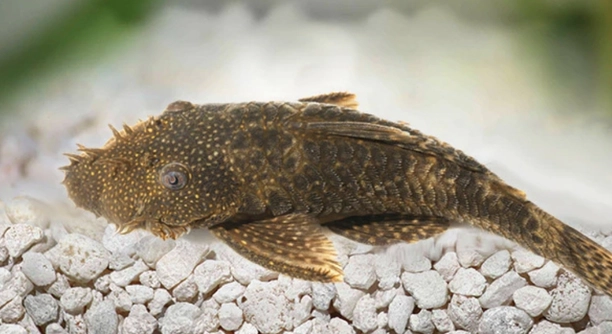
Breeding rare Plecostomus can be a rewarding and fascinating experience for aquarium enthusiasts. However, it requires a combination of patience, knowledge, and proper care to achieve success. With the right approach, your breeding efforts can thrive.
To breed rare Plecostomus, focus on providing optimal water conditions, a balanced diet, and creating a suitable environment for breeding. Key factors include maintaining proper water temperature, pH levels, and ensuring they have plenty of hiding spots for security.
By understanding these essential tips, you can improve your breeding success and ensure the health of your rare Plecostomus. Let’s explore the best practices to get started.
Selecting the Right Plecostomus Species
When breeding rare Plecostomus, choosing the right species is essential. Different species have varying requirements for water conditions, food, and breeding behavior. Some species, like the Gold Nugget Pleco, are more demanding than others. It’s crucial to research their specific needs before you start breeding.
Once you have selected a species, make sure you understand its unique characteristics. The environment should mimic the natural habitat as closely as possible to promote successful breeding. For example, certain species prefer slightly acidic water, while others thrive in neutral or alkaline conditions. Getting these details right ensures that your efforts are more likely to succeed.
By carefully choosing the right species, you increase the chances of a successful breeding experience. Once the ideal species is selected, attention can be shifted to water conditions and diet. These elements are crucial for ensuring the long-term success of your breeding venture.
Creating an Optimal Breeding Environment
The breeding environment plays a significant role in the success of rare Plecostomus. It is essential to mimic the conditions these fish would experience in the wild. Water temperature, pH, and hardness must be adjusted to their needs.
When preparing the tank, consider adding plenty of hiding spots, such as caves or driftwood. Plecostomus naturally seek shelter, especially when they are preparing to breed. Additionally, ensure that the filtration system is gentle, as the fish don’t like strong currents. Maintaining a stable environment is key, as sudden changes can stress the fish and affect their breeding behavior.
The right environment helps minimize stress and creates the ideal conditions for successful breeding. Proper tank setup and water quality will make a significant difference in breeding outcomes. The next step is ensuring proper nutrition to support breeding efforts.
Proper Feeding and Diet
Feeding Plecostomus a balanced diet is crucial to their health and breeding success. High-quality, nutrient-rich foods will help them grow strong and healthy. Plecostomus require a mix of algae, plant matter, and protein sources.
For best results, include a variety of foods like algae wafers, sinking pellets, and occasional live or frozen foods like brine shrimp or bloodworms. This variety ensures they receive all the necessary nutrients to support their breeding. Plecostomus also benefit from supplemental vegetables like zucchini, cucumber, and spinach.
Maintaining a consistent feeding schedule with these foods will help keep your Plecostomus in top condition. Healthy fish are more likely to breed successfully. Make sure not to overfeed, as excess food can pollute the water and cause health issues. Adjust the feeding routine based on the specific needs of the species you are breeding.
Maintaining Water Quality
Water quality is one of the most important factors for breeding Plecostomus. Clean, stable water conditions are essential for their health. Regular water changes and proper filtration will help prevent harmful toxins from building up.
For optimal water quality, test the water regularly for ammonia, nitrites, and nitrates. High levels of any of these can stress the fish and hinder breeding. Keep the temperature within the recommended range for the specific species of Plecostomus you are breeding. Consistency is key, as sudden changes in water parameters can disrupt their reproductive cycle.
Additionally, use a gentle filtration system that doesn’t create strong currents. Plecostomus prefer calm water when breeding. Ensuring good water quality will create a more stable and healthy environment, allowing your Plecostomus to thrive and breed successfully.
Breeding Triggers
To encourage breeding, Plecostomus need certain environmental triggers. These triggers often include temperature fluctuations and water changes that mimic seasonal shifts. The right conditions can encourage them to breed, especially after periods of slight stress.
Water temperature plays a key role in triggering breeding behavior. Most species of Plecostomus breed when temperatures are slightly higher than usual, typically between 78-82°F (25-28°C). Additionally, adding clean, cooler water during water changes can simulate seasonal rain and encourage spawning. These minor changes are essential for stimulating their natural breeding instincts.
Separating Male and Female Plecostomus
Identifying the sex of your Plecostomus is important for successful breeding. Males are typically smaller, with more pronounced odontodes (bristle-like structures) on their bodies, especially on their pectoral fins. Females tend to be rounder and larger.
If possible, it’s best to separate males and females into different tanks initially, as they can sometimes become territorial and aggressive. Once the right conditions are established, you can reintroduce them into a tank with ample space and hiding places, which will reduce stress and allow natural breeding behavior to occur.
Monitoring Breeding Behavior
Once the Plecostomus are introduced to breeding conditions, monitor their behavior closely. Typically, males will begin to show increased activity and start to claim caves or other hiding spots as potential spawning sites. Females will generally appear less active until they are ready to spawn.
Male Plecostomus may actively court females by displaying their bristles and performing aggressive, territorial behaviors. Females often respond by entering the selected cave or area to lay eggs. After laying, the male fertilizes the eggs and guards them. This process may take several days to complete.
FAQ
How long does it take for Plecostomus to breed?
The time it takes for Plecostomus to breed can vary depending on water conditions, diet, and species. Generally, once the right environment is set up, it can take anywhere from a few weeks to a few months for breeding to occur. During this period, males will begin to court the females and compete for territory. Once a female is ready to spawn, the process usually happens relatively quickly, often within a few days after initial courtship.
What is the ideal water temperature for breeding Plecostomus?
For successful breeding, Plecostomus generally require a water temperature between 78-82°F (25-28°C). A slight increase in temperature can act as a trigger, mimicking the warmer seasons in the wild. It is important to avoid sudden temperature changes, as this can cause stress and discourage breeding. Stability is key.
How can I tell if my Plecostomus are ready to breed?
When Plecostomus are ready to breed, you will notice certain behaviors. Males will become more active and begin to display their bristles, especially on their pectoral fins. They will also start claiming caves or other hiding spots as breeding sites. Females may appear slightly rounder and will only enter the caves when they are ready to lay eggs. You can also check for swollen abdomens in females, which indicates they are carrying eggs.
Do I need to separate male and female Plecostomus during breeding?
It’s generally a good idea to separate males and females before breeding to prevent stress and aggression. However, once the ideal breeding conditions are set, you can reintroduce them into the same tank. Make sure the tank has plenty of hiding places and sufficient space to reduce territorial disputes. The male will usually take the lead in claiming a spot for breeding, and the female will choose to enter when she is ready.
How often should I change the water while breeding Plecostomus?
Regular water changes are vital for maintaining a healthy breeding environment. Aim to change about 20-30% of the water once a week. If the tank is heavily stocked or the water quality is not optimal, you may need to change the water more frequently. Consistent water changes help keep harmful toxins in check and encourage a stable environment for the Plecostomus.
What should I feed my Plecostomus during breeding?
Feeding Plecostomus a varied diet is crucial for their health and successful breeding. Offer high-quality algae wafers, sinking pellets, and fresh vegetables like zucchini and cucumber. It’s also important to provide live or frozen foods, such as brine shrimp or bloodworms, to ensure they receive the necessary protein for optimal health and breeding readiness.
How do I know if my Plecostomus eggs are fertilized?
After the female lays her eggs, the male will fertilize them and guard the nest. If the eggs remain clear and do not show any signs of discoloration, they are most likely fertilized. If the eggs turn cloudy or start to look white, they may not have been fertilized or could be subject to bacterial infection. It’s essential to keep the water quality high to avoid these issues.
Can I breed Plecostomus in a community tank?
While it is possible to breed Plecostomus in a community tank, it is not always ideal. Other fish can sometimes stress the Plecostomus or disturb the breeding process. If you do choose to breed in a community tank, ensure that there are plenty of hiding spots and caves where the Plecostomus can retreat. A separate breeding tank is often more effective for encouraging successful reproduction.
How do I care for the Plecostomus fry once they hatch?
After the eggs hatch, the fry will initially rely on their yolk sac for nutrition. Once the fry are free-swimming, you can start feeding them finely crushed algae wafers or baby brine shrimp. Be sure to maintain clean water and provide adequate filtration, but avoid strong currents that could harm the fry. Over time, you can slowly transition them to larger food sources as they grow.
How long does it take for Plecostomus fry to grow?
Plecostomus fry grow at different rates depending on their diet and environment. On average, it can take several months for them to reach a size where they are mature enough to breed. However, growth can be slow, as Plecostomus are bottom dwellers and grow at a steady, gradual pace. Regular feedings of nutrient-rich foods will help speed up their growth and development.
What should I do if my Plecostomus aren’t breeding?
If your Plecostomus aren’t breeding, check the water conditions first. Ensure the temperature is stable and within the optimal range. If the water parameters are correct and your Plecostomus are healthy, try increasing the frequency of water changes or adjusting the diet. Some species may require slightly different conditions, so do some research to match their exact needs. If all else fails, consider separating the fish into individual breeding tanks to encourage spawning behavior.
Final Thoughts
Breeding Plecostomus can be a rewarding experience when the right conditions are met. By understanding their specific needs, such as water temperature, tank setup, and diet, you can create an environment that encourages breeding. It’s important to be patient throughout the process, as these fish can take time to adjust and feel comfortable enough to spawn. Maintaining water quality and providing ample space for the Plecostomus to thrive will go a long way in ensuring successful breeding.
It’s also essential to monitor their behavior carefully during the breeding process. Male Plecostomus often display more active and territorial behavior, while females will only show interest in the breeding process when they are ready to lay eggs. Observing these signs can help you ensure that the breeding environment is working effectively. While it’s not always guaranteed that the fish will breed right away, creating a stable and comfortable setting for them increases the likelihood of success.
Lastly, once the eggs are laid and the fry begin to hatch, it is crucial to continue providing proper care. Plecostomus fry are vulnerable in their early stages and require clean water and the right food to grow. Over time, as the fry mature, they will begin to care for themselves more, and you’ll be able to enjoy watching them grow. With time, patience, and the right conditions, breeding Plecostomus can become an enjoyable and fulfilling experience.

Hello,
If you enjoy the content that we create, please consider saying a "Thank You!" by leaving a tip.
Every little bit helps us continue crafting quality advice that supports the health, happiness, and well-being of pets around the world, for pets of all shapes, sizes, and species.
We really appreciate the kindness and support that you show us!