
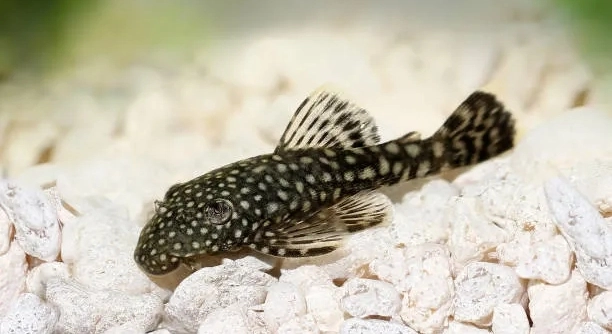
Aggressive plecos can sometimes become a concern for aquarium owners. These fish are generally peaceful but may display aggressive behavior in certain situations. Recognizing the warning signs early can help prevent conflicts with tank mates.
Aggressive plecos often show signs like territorial behavior, fin nipping, or frequent chasing of other fish. This behavior is typically a result of stress, overcrowding, or limited space. Understanding these signs can help you manage aggression and maintain tank harmony.
Recognizing these warning signs early can help keep your aquarium peaceful and balanced. Let’s explore the key behaviors that may indicate aggression in your plecos.
Territorial Behavior
When plecos become territorial, they may establish areas in the tank that they aggressively defend. This behavior can involve chasing other fish away from certain spots or hiding places. While plecos usually aren’t aggressive by nature, they can react negatively if they feel their space is threatened. Territorial aggression is more likely to happen in smaller tanks where plecos don’t have enough room to roam freely.
The key to addressing territorial aggression is to provide enough hiding spaces and ample space for the plecos and other fish. Adding decorations like caves or plants can create more territories, helping to minimize conflict.
If territorial issues arise, it may be necessary to rearrange the tank. This simple change can disrupt the established territories, allowing all fish to adapt to new areas. Also, consider the size of the plecos and the tank, as smaller tanks can easily lead to overcrowding, which heightens aggression.
Fin Nipping and Chasing
Fin nipping is a common sign of aggression in plecos. If your pleco is chasing or biting the fins of other fish, it could be a sign of stress or competition for resources. They might also display this behavior if they’re feeling confined or threatened.
Aggressive Feeding Behavior
If your pleco becomes aggressive around feeding time, it’s a clear sign of stress or competition. Plecos might fight for food, especially in overcrowded tanks. They may even chase smaller tankmates away to get to the food first. This behavior can lead to injuries if not addressed.
To minimize feeding aggression, ensure that all fish in the tank have access to food at the same time. Offering food in multiple locations can reduce competition and give each fish a chance to feed without conflict. You may also consider feeding at different times if there are too many fish in the tank.
Sometimes, aggression arises from insufficient food, especially in fast-growing plecos. Be sure to provide enough algae-based food or sinking pellets to satisfy their nutritional needs. An underfed pleco is more likely to become aggressive during feeding time, so consistent feeding schedules are essential.
Invasive Behavior Towards Tankmates
An aggressive pleco may show invasive behavior towards other tankmates, such as constantly pursuing them or occupying areas they prefer. This type of aggression can be triggered by factors like overcrowding or lack of space. Plecos may assert dominance over tankmates, causing tension in the aquarium.
To prevent invasive behavior, keep a close eye on your tank’s population. Ensure that there is enough space for each fish, and avoid overcrowding. If plecos feel threatened by other fish or compete for resources, they may become more assertive, and this can lead to aggression. It is also helpful to monitor any changes in water conditions that may trigger stress, which could worsen this behavior.
Also, keep in mind that plecos are nocturnal. They may act more aggressively towards other fish during the night when they are more active. Providing sufficient hiding spots for all fish, especially nocturnal ones, can help reduce conflicts and allow them to retreat when feeling threatened.
Aggression Due to Overcrowding
Overcrowded tanks lead to stress, which can trigger aggressive behavior in plecos. When they don’t have enough space, plecos may become territorial, fight for resources, or act out in other ways. This stress can negatively affect their health, too.
It’s important to maintain proper tank sizes based on the number of fish and the size of each pleco. A tank that’s too small for the number of fish will increase aggression, especially if multiple plecos are present. This overcrowding leads to competition for food, hiding spots, and territory, all of which contribute to stress and aggression.
In larger tanks, plecos can spread out and establish their own territories, which helps reduce conflicts. If you notice aggression or territorial disputes, consider reducing the number of fish or upgrading to a larger tank to give your plecos more room.
Lack of Hiding Spots
Without enough hiding spots, plecos feel exposed, which can cause stress and lead to aggression. Plecos are shy by nature and need places to retreat to when they feel threatened. Without these, they may show aggression towards other fish.
Providing plenty of hiding spots can alleviate this issue. Use caves, rocks, or plants to create natural barriers and refuges where plecos can rest without feeling cornered. This helps them feel secure, reducing the likelihood of aggression. Proper tank decorations not only offer hiding spaces but also create a more natural environment for all inhabitants.
Aggression Caused by Poor Water Conditions
Poor water conditions often contribute to increased aggression in plecos. When the water quality isn’t ideal, fish become stressed and more likely to act out. Unstable water parameters can lead to territorial disputes and more aggressive behavior.
Regular water changes and monitoring of water temperature, pH levels, and ammonia levels are essential. Dirty water increases stress, which negatively impacts plecos and all other tank inhabitants. If your plecos start showing signs of aggression, check the water quality first to rule out stressors that may be causing the behavior.
FAQ
What causes plecos to become aggressive?
Plecos may become aggressive due to a variety of factors such as overcrowding, lack of hiding spots, or poor water conditions. Stress from inadequate space or competition for food can also trigger aggressive behavior. When plecos feel threatened or cramped, they may display territorial behavior, chase other fish, or nip fins. Overfeeding or feeding at irregular times can also create tension among tankmates, leading to aggression. It’s essential to ensure that the tank is large enough, that the water quality is optimal, and that all fish have their own space.
Can plecos get along with other fish?
Yes, plecos are generally peaceful and can coexist with many other fish. However, their temperament can depend on the species and tank conditions. Some plecos, especially the larger ones, may become territorial and aggressive toward other fish if there isn’t enough space. Smaller plecos are usually less aggressive, but providing hiding places and proper tank conditions helps minimize the risk of conflicts. Avoid keeping them with fish that are too small or overly aggressive, as plecos may react defensively. Pay attention to their environment to help maintain harmony.
How can I prevent aggression in plecos?
To prevent aggression in plecos, focus on creating a tank environment that promotes peace. Provide plenty of hiding spots using rocks, caves, and plants. Ensure the tank is not overcrowded, as lack of space can lead to territorial behavior. Keep the water quality in check with regular changes and proper filtration. Avoid overfeeding and make sure that each fish has access to food. If you notice aggression, rearrange the tank to disrupt established territories and reduce stress. It’s also a good idea to monitor the behavior of tankmates to ensure compatibility.
What are the signs that a pleco is becoming aggressive?
Aggressive plecos may display certain behaviors such as chasing or nipping at other fish. They might hover near their territory, aggressively guarding it from other tankmates. If a pleco is attacking another fish, you may notice torn fins or physical damage. In some cases, plecos will become more reclusive or spend more time in hiding when they are stressed or agitated. Additionally, excessive rubbing against objects or other fish can indicate irritation or discomfort. Keep an eye on these behaviors, as they are signs that your pleco may be feeling threatened or stressed.
Can plecos harm other fish in the tank?
While plecos are usually peaceful, they can sometimes harm smaller or weaker fish, especially if they are stressed or feel threatened. In some cases, plecos may nip at the fins of other fish or become territorial over food or hiding spots. Larger plecos can cause damage to smaller tankmates, particularly if the tank is overcrowded or lacks enough space. It’s important to ensure that your plecos are housed with fish that are similar in size and temperament to reduce the risk of harm. Proper tank management is key to preventing conflicts.
Is it necessary to separate aggressive plecos from other fish?
If a pleco’s aggressive behavior becomes a problem, it may be necessary to separate them from more peaceful fish. This is particularly true if the aggression results in injury to other tankmates or causes excessive stress. Before separating an aggressive pleco, try adjusting the tank setup. Rearranging decorations or adding more hiding spots may alleviate the aggression. If the problem persists, placing the aggressive pleco in a separate tank with other plecos or more compatible fish can help resolve the issue. Always monitor your plecos and other fish for signs of stress or injury.
Can I calm down an aggressive pleco?
Yes, you can calm down an aggressive pleco by addressing the underlying causes of stress. Start by ensuring that the tank has enough space and hiding spots. Rearranging the tank to disrupt territories can help reduce aggression. Maintaining optimal water conditions is crucial, as poor water quality can increase stress levels. Avoid overfeeding and make sure that food is provided in multiple locations to reduce competition. In some cases, introducing more fish or creating new hiding spots can help your pleco feel more secure. If aggression continues, consider isolating the pleco or providing additional tankmates.
Do plecos need a lot of space to avoid aggression?
Yes, plecos need sufficient space to thrive and avoid aggressive behavior. When plecos are kept in overcrowded tanks, they can become stressed, leading to territorial disputes and aggression. A general rule of thumb is to provide at least 20 gallons of water for a single pleco, with additional space for each fish added. Larger plecos require even more space to move around and establish their own territories. A spacious tank allows plecos to feel secure and reduces the risk of territorial aggression, ensuring a more peaceful environment for all tank inhabitants.
Can plecos become aggressive if they are underfed?
Yes, underfeeding can contribute to aggressive behavior in plecos. When plecos are not given enough food, they may become more competitive during feeding times, which can lead to aggression toward other fish. A pleco that isn’t well-fed may also become more stressed and territorial. To prevent this, make sure your pleco has access to plenty of food, such as algae wafers, sinking pellets, or fresh vegetables. Regularly feed your pleco and other tankmates to ensure that everyone is getting enough nutrition and to reduce the chances of food-related aggression.
What should I do if my pleco is bullying other fish?
If your pleco is bullying other fish, first assess the tank environment to ensure that it isn’t overcrowded or lacking hiding spots. Add more hiding places and rearrange the decorations to break up established territories. If the aggression continues, it might be necessary to separate the pleco from the bullied fish. Place the pleco in a separate tank or introduce tankmates that are better suited to coexist with it. In extreme cases, consider adjusting the tank size or providing additional food to reduce competition. Keep a close eye on the pleco’s behavior to ensure that the situation improves.
Final Thoughts
Understanding the factors that cause aggression in plecos is key to preventing and managing potential issues in your tank. Overcrowding, poor water conditions, and lack of hiding spots are some of the primary reasons plecos may show aggressive behavior. When plecos feel stressed due to these factors, they may become territorial, chase other fish, or even damage their tankmates. It’s essential to regularly monitor tank conditions and make necessary adjustments to create a peaceful environment. Ensuring that plecos have enough space, food, and hiding spots can go a long way in reducing aggression.
To maintain a healthy and harmonious tank, regular tank maintenance is necessary. This includes monitoring water quality, checking filtration systems, and performing regular water changes. The importance of providing proper hiding spots and tank space cannot be overstated. Plecos need a comfortable and secure environment to thrive. If aggression persists, rearranging the tank’s setup and ensuring each pleco has its own space can help. Adding more hiding places or adjusting the tankmates might also alleviate stress and reduce territorial behavior. Understanding the signs of aggression early can help prevent more serious issues.
In cases where aggression continues despite taking these steps, it might be necessary to separate aggressive plecos from other fish. In some cases, introducing more compatible tankmates or upgrading to a larger tank can help improve the situation. Monitoring the behavior of plecos and their tankmates is an ongoing process that can help keep your tank in balance. With the right care, plecos can live peacefully with other fish, adding beauty and interest to your aquarium without causing stress. By staying attentive to their needs, you can create an environment where everyone thrives.

Hello,
If you enjoy the content that we create, please consider saying a "Thank You!" by leaving a tip.
Every little bit helps us continue crafting quality advice that supports the health, happiness, and well-being of pets around the world, for pets of all shapes, sizes, and species.
We really appreciate the kindness and support that you show us!