
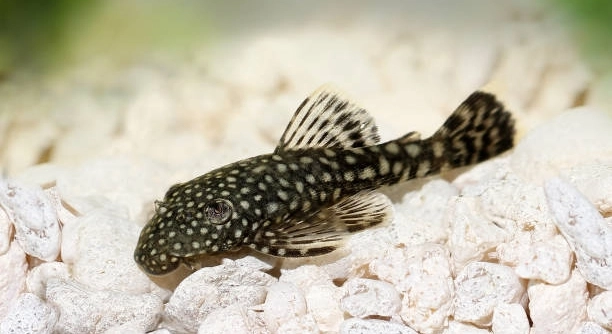
Plecos and frogs both make interesting additions to an aquarium, but combining them raises concerns. These creatures have specific needs and behaviors that may affect how they interact with one another. It’s important to understand these factors.
The compatibility of plecos and frogs in the same tank depends on the species. Some frogs may be territorial or aggressive, while plecos can be peaceful bottom-dwellers. Proper tank conditions and monitoring their interactions are essential for a successful coexistence.
Knowing the best ways to maintain harmony in your tank will ensure the well-being of both your plecos and frogs.
Understanding the Basics of Plecos and Frogs
Plecos are peaceful, algae-eating fish, and frogs, particularly aquatic species, thrive in wet environments. When kept together, it’s important to ensure the needs of both are met. Plecos often live at the bottom of tanks, helping keep surfaces clean, while frogs tend to swim and climb. They both require clean water, but their preferences for tank setup may differ. Plecos enjoy hiding spots and caves, while frogs appreciate plants and places to leap. Maintaining a balanced tank with these factors in mind will help your aquatic pets coexist peacefully.
Frogs are generally more active, while plecos remain fairly passive. This creates a dynamic where they can share a space without direct conflict. However, keep in mind their environmental needs may not always align perfectly.
If you’re thinking of adding both to your tank, consider the size of the aquarium. A spacious tank with plenty of hiding spots is crucial. Adding plants and other decorations will give frogs ample space to explore and plecos room to graze and find shelter.
Factors to Consider Before Mixing Plecos with Frogs
The type of frog you keep will influence how well they get along with plecos. Some species of frogs, like African dwarf frogs, are smaller and more peaceful, making them better suited to a tank with plecos. Others, like larger bullfrogs, might show more aggression, potentially harming the plecos.
Tank temperature and water quality are also important. Frogs are sensitive to water temperature changes, while plecos thrive in slightly warmer water. Regular water changes and monitoring the pH levels will keep both species healthy. Proper filtration ensures the water remains clean, which benefits both frogs and plecos.
Be mindful of the tank setup and ensure that the plecos have enough room to move around and access hiding spots while the frogs can hop between surfaces. The right balance will help them coexist peacefully, avoiding stress and potential injury.
Tank Size and Layout
A large tank is crucial when keeping plecos and frogs together. The more space, the better, especially since both species can get territorial. A minimum of 30 gallons is recommended for a peaceful setup. With proper space, both will have room to explore, hide, and stay comfortable.
Decorating the tank with rocks, plants, and caves gives plecos places to graze and hide, while frogs will appreciate areas to leap and explore. It’s also important to leave swimming space in the middle of the tank. This layout will allow both species to thrive without stepping on each other’s toes.
Providing hiding spots is essential. Plecos love seclusion, and frogs enjoy having safe spots to retreat. If the tank layout doesn’t meet these needs, one species might feel stressed or become more aggressive. Balance the decorations and space carefully, ensuring both species feel safe and at ease.
Water Quality and Temperature
Both plecos and frogs need clean, properly filtered water to stay healthy. Plecos, being bottom-dwellers, will rely on the filter to remove debris. Frogs, on the other hand, are more sensitive to water conditions, so regular changes and monitoring are necessary.
Maintaining a stable temperature between 72-78°F will work for most frog species and plecos. However, the water’s quality is even more important. If the water is dirty or not filtered well, both species will become stressed. It’s crucial to ensure that ammonia and nitrate levels stay low for both fish and frogs.
To ensure optimal health, test the water regularly for pH, ammonia, and nitrate levels. Frogs can be very sensitive to small changes in water chemistry, which can lead to health problems. Clean, well-filtered water will help both species thrive in a shared tank.
Feeding Plecos and Frogs
Plecos are primarily herbivores, needing a diet rich in algae, vegetables, and specially formulated pellets. Frogs, however, are carnivorous, eating small insects, worms, and other meaty foods. Feeding them separately helps prevent competition over food and ensures each species gets the nutrients they need.
To keep them healthy, feed plecos sinking pellets, blanched vegetables, and algae wafers. Frogs enjoy live or frozen foods, such as bloodworms and brine shrimp. Be sure to remove any uneaten food to prevent water pollution. Overfeeding can lead to water quality issues, so it’s best to feed them on a regular schedule.
To avoid the risk of one species overfeeding, establish separate feeding areas in the tank. Plecos can often go unnoticed when feeding, while frogs may compete for food. By giving them distinct zones, you can ensure both species get their fair share without causing stress or health issues.
Tank Mates Compatibility
Plecos and frogs are often calm in nature, but their compatibility with other tank mates depends on species selection. Some fish or invertebrates might disturb the peace, especially if they become territorial or aggressive.
When choosing tank mates, consider other peaceful, non-territorial species like tetras or guppies. Avoid any aggressive fish that might bully or nip at your frogs and plecos. Larger, fast-moving fish could stress out the frogs, while smaller, bottom-dwelling species might be outcompeted by plecos.
It’s essential to keep an eye on interactions and make adjustments if necessary. Compatibility often depends on the tank layout, the behavior of other species, and the overall environment. Pay attention to how the plecos and frogs interact with their neighbors to ensure a peaceful community.
Behavior Monitoring
It’s important to regularly monitor the behavior of both plecos and frogs when kept together. Some frogs may become more territorial, especially when guarding breeding sites, which could create conflict with the plecos. Similarly, plecos can sometimes be aggressive towards smaller tank mates if they feel threatened.
If the frogs appear stressed, it’s important to assess the tank conditions. Plecos, being bottom-dwellers, often stay out of sight, but can still become more active or aggressive during feeding time. Stress can lead to health problems for both species, so observing their behavior closely will help address issues early.
FAQ
Can plecos and frogs live together peacefully?
Yes, plecos and frogs can live together, but their compatibility largely depends on the species of frog and the tank setup. Smaller frogs, like African dwarf frogs, tend to be more peaceful and better suited for sharing a tank with plecos. However, larger, more aggressive frog species could cause stress or harm to plecos, especially if they are territorial. Ensuring the tank has enough space and hiding spots for both species can help reduce potential conflicts.
What size tank do I need for plecos and frogs?
A tank of at least 30 gallons is recommended for plecos and frogs to coexist peacefully. The more space available, the better it is for both species. A larger tank allows plecos to graze on algae without interfering with the frogs, who need space to leap and explore. A 30-gallon tank offers enough room for both species to establish their own territories and stay comfortable.
What is the best temperature for plecos and frogs?
The ideal water temperature for both plecos and frogs is between 72-78°F. This range accommodates most common pleco and frog species, providing a stable environment for both. Sudden temperature fluctuations can stress both plecos and frogs, leading to health problems. It’s important to monitor the water temperature regularly to keep it within the recommended range for optimal health.
Do plecos and frogs need special water conditions?
Yes, both plecos and frogs require clean, well-filtered water. Plecos thrive in slightly alkaline water with a pH between 6.5 and 7.5, while frogs can tolerate a wider range of pH levels, depending on the species. Regular water changes, at least 25% weekly, will help maintain water quality. Make sure the water is free of ammonia and nitrites, as both can be harmful to aquatic life.
Should I provide plants and hiding spots for plecos and frogs?
Absolutely. Both plecos and frogs benefit from plants and hiding spots in the tank. Plecos like to hide in caves or under driftwood, which helps them feel secure and reduces stress. Frogs also need plants and hiding spots to feel safe, as they are more active and might need places to retreat to when they feel threatened. Adding plants also helps maintain water quality by absorbing excess nutrients.
How often should I feed plecos and frogs?
Feeding schedules for plecos and frogs can vary, but a general rule of thumb is to feed them once a day or every other day. Plecos are herbivores and should be fed algae wafers, sinking pellets, or blanched vegetables like zucchini. Frogs, being carnivores, need live or frozen foods like bloodworms, brine shrimp, or small insects. Make sure to remove any uneaten food to prevent water contamination and overfeeding.
Are plecos and frogs aggressive toward each other?
In most cases, plecos are not aggressive, but they can become territorial if the tank is too small or overcrowded. Frogs, on the other hand, can sometimes show aggression, particularly when they feel their space is being encroached upon. However, the likelihood of aggression can be minimized by ensuring there’s enough space and hiding spots for both species. Monitoring their behavior closely is important to address any issues early on.
Can plecos eat the food meant for frogs?
Plecos are primarily herbivores and usually do not target meaty foods meant for frogs. However, in cases of food scarcity, plecos might nibble on any food left in the tank, including small amounts of protein-rich food. It’s best to feed plecos their own diet of vegetables, algae wafers, or sinking pellets, and provide frogs with their own live or frozen foods to avoid competition.
Can I add other fish to a tank with plecos and frogs?
Yes, you can add other fish, but they should be peaceful and non-aggressive. Fish like tetras, guppies, or other small species that do not compete for space or food can cohabit well with plecos and frogs. Avoid adding fast-moving or aggressive fish that could stress out your frogs or plecos. Always consider the size and temperament of other potential tank mates before adding them.
What should I do if my plecos or frogs seem stressed?
If you notice signs of stress, such as reduced activity, abnormal behavior, or hiding, check the water parameters immediately. Poor water quality, temperature fluctuations, and overcrowding are common stress factors. Ensure that the tank is properly filtered, maintain regular water changes, and provide ample hiding spots for both species. Also, observe their interactions to ensure no aggressive behavior is happening between them.
Final Thoughts
When keeping plecos and frogs together, it’s important to consider the specific needs of both species. Plecos are bottom-dwellers that primarily eat algae, vegetables, and sinking pellets, while frogs are carnivorous and need live or frozen food like bloodworms. These dietary differences can make it challenging to feed them together, but with proper care and feeding schedules, both species can thrive in the same tank. As long as their individual needs are met and they are given enough space, plecos and frogs can live peacefully together.
Tank setup plays a major role in ensuring the comfort and health of both plecos and frogs. A tank of at least 30 gallons is recommended, providing enough space for both species to move around freely. Hiding spots, plants, and caves will give both plecos and frogs the opportunity to retreat when needed. Plecos are often shy and enjoy hiding in caves or under driftwood, while frogs need places to feel secure. A well-planted tank with proper filtration is also essential to maintain clean water and a healthy environment for both species.
In the end, keeping plecos and frogs together requires some extra attention to detail. Monitoring water conditions, offering a balanced diet, and providing enough space and hiding spots can help reduce stress and prevent aggression. While plecos and frogs can live together harmoniously, it’s important to observe their behavior and make adjustments if necessary. With proper care, you can create a peaceful and thriving environment for both species, allowing them to coexist happily in the same tank.

Hello,
If you enjoy the content that we create, please consider saying a "Thank You!" by leaving a tip.
Every little bit helps us continue crafting quality advice that supports the health, happiness, and well-being of pets around the world, for pets of all shapes, sizes, and species.
We really appreciate the kindness and support that you show us!