
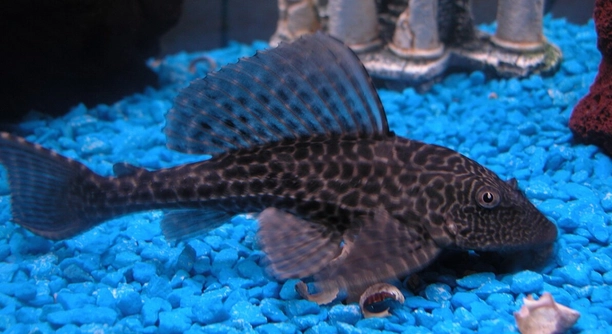
Has your pleco been avoiding the bottom of the tank lately? It can be frustrating when your fish behaves out of the ordinary. Understanding why this happens will help you better care for your aquatic friend.
Plecos may avoid the bottom of the tank due to several factors such as water quality issues, inadequate hiding spots, or a lack of food availability. Stress from tank mates or environmental changes can also contribute to this behavior.
Addressing the root causes of this behavior will allow you to help your pleco feel more comfortable and return to its natural habits.
Water Quality Issues
Water quality is one of the most common reasons your pleco may avoid the bottom of the tank. If the water is too dirty or imbalanced, it can cause stress and discomfort. Plecos are sensitive to changes in water conditions, including pH levels, ammonia, and nitrite concentrations. When these levels are off, they may seek higher areas of the tank to escape harmful conditions. It’s important to test the water regularly and perform water changes as needed. Keeping the water clean not only ensures your pleco stays healthy but also helps prevent further behavioral issues.
If the water quality is poor, your pleco will naturally avoid the bottom. Testing water parameters regularly will help you pinpoint any issues quickly.
To keep your pleco happy, make sure the water is clean and the filtration system works efficiently. Regular water changes and monitoring the tank’s chemistry can go a long way in keeping your pleco comfortable.
Lack of Hiding Spots
Plecos need plenty of places to hide, especially in a tank with other fish. If your pleco feels exposed or threatened, it will likely avoid the bottom, seeking refuge in higher spots. Adding caves, driftwood, or plants can create hiding spaces that give your pleco a sense of security. This behavior is more common in tanks with aggressive or overly active fish that may intimidate your pleco. Without a place to retreat, your pleco will feel stressed and avoid the bottom, often spending time in higher areas where it feels safer.
Providing hiding spots allows your pleco to feel secure and reduces stress, which helps encourage normal behavior.
Tank Mates and Stress
Tank mates can greatly impact your pleco’s behavior. If the other fish are aggressive or overly active, your pleco may retreat to avoid conflict. This can lead it to avoid the bottom, where it would typically hide or graze. Plecos are generally peaceful, and sharing a tank with aggressive species can cause constant stress, making them seek higher areas of the tank.
If your pleco is constantly harassed, it may spend more time away from the bottom. Tank mates should be chosen carefully to avoid stressing your pleco. You’ll want to ensure your pleco’s tank mates are calm and non-aggressive to help maintain a peaceful environment.
Adding fish that are compatible with your pleco’s temperament can ease the stress and help your pleco feel comfortable enough to return to its usual bottom-dwelling behavior. Avoiding overly aggressive fish will allow your pleco to establish a routine where it can graze, hide, and explore freely.
Temperature Fluctuations
Fluctuations in water temperature can also cause your pleco to avoid the bottom. If the water is too warm or too cold, your pleco may not feel comfortable at the bottom, where the temperature can vary more significantly. Consistent water temperature is important for the health of your pleco. It should be kept in a tank with stable temperatures, typically ranging between 72°F and 78°F, depending on the species.
A reliable heater and thermometer can help maintain a stable temperature. If your pleco is avoiding the bottom, check the temperature to ensure there are no drastic changes that could be causing distress. Sudden shifts in temperature can lead to illness or stress.
Ensuring your pleco has a comfortable and consistent environment will help it feel safe and relaxed. If your pleco is avoiding the bottom due to temperature fluctuations, adjusting the heater or improving the tank’s insulation can resolve the issue. Stable conditions are key to maintaining your pleco’s natural behavior.
Poor Diet
A lack of proper nutrition can make your pleco more reluctant to stay at the bottom. Plecos are bottom-feeding fish, and they typically graze on algae and other organic matter. If they aren’t getting enough food, they may avoid the bottom in search of something more satisfying higher up.
A diet that doesn’t meet your pleco’s needs can cause them to become weak or stressed, which may lead to them avoiding the bottom. Ensure you provide a variety of foods, such as algae wafers, vegetables, and occasionally protein-based treats to keep your pleco healthy and active.
Illness or Injury
If your pleco is avoiding the bottom, it might be dealing with an injury or illness. Fish are excellent at hiding their discomfort, but certain conditions can make them uncomfortable in the lower parts of the tank. Watch for any signs of distress, such as abnormal swimming or lethargy.
Injuries or diseases, like fin rot or parasites, can make it painful for your pleco to stay at the bottom. If you notice any unusual behavior or physical signs, it’s best to isolate the fish and provide proper treatment. Check for visible wounds or discoloration, which could be signs of illness.
Inadequate Tank Size
If your pleco is in too small of a tank, it may not feel comfortable at the bottom. Plecos are relatively large fish, and they require ample space to move around. A cramped tank can lead to stress, making it harder for your pleco to feel secure at the bottom.
A larger tank will give your pleco the space it needs to swim and explore. This helps reduce stress and provides a better environment for it to thrive. Make sure your pleco has enough room to settle comfortably at the bottom and access food sources.
FAQ
Why is my pleco swimming at the top of the tank?
Plecos may swim at the top of the tank for several reasons, such as poor water quality or inadequate oxygen levels. If the oxygen in the water is low, plecos will instinctively swim higher to find more oxygen-rich areas. Poor filtration can contribute to this. Additionally, if your pleco feels stressed or threatened, it may seek refuge at the top for safety.
How can I get my pleco back to the bottom?
To encourage your pleco to return to the bottom, first ensure the tank’s water quality is optimal. Perform regular water changes and check for any fluctuations in temperature or pH levels. Add hiding spots, such as caves or plants, to give your pleco a sense of security. Reducing stress from tank mates and ensuring a well-balanced diet can also help.
Can my pleco be stressed from other fish?
Yes, plecos can become stressed if they share a tank with aggressive or overly active fish. Stress can lead to abnormal behaviors, such as avoiding the bottom of the tank. Plecos are peaceful fish that do best in calm environments. Choose tank mates that won’t intimidate your pleco, and provide plenty of hiding spots for it to feel safe.
How do I know if my pleco is sick?
Sick plecos may exhibit signs such as loss of appetite, abnormal swimming patterns, or lethargy. Their skin may appear pale or discolored, and they might have visible lesions, wounds, or bumps. If your pleco is avoiding the bottom and showing other symptoms, it could be ill or injured. It’s important to monitor its behavior closely and consult with a vet if needed.
Can water temperature cause my pleco to avoid the bottom?
Yes, fluctuations in water temperature can cause your pleco to avoid the bottom. Plecos are sensitive to temperature changes, and too cold or too warm water can make them uncomfortable. Ensure your tank’s water temperature remains stable, ideally between 72°F and 78°F. Use a reliable heater and thermometer to keep track of the temperature and make adjustments if necessary.
What should I do if my pleco isn’t eating?
If your pleco isn’t eating, the first step is to check the water quality. Poor water conditions can cause a lack of appetite. Ensure your pleco’s diet is varied and offers the necessary nutrients. If the problem persists, check for signs of illness or stress. If you suspect an underlying health issue, isolate your pleco in a quarantine tank and consult a fish expert or vet for advice.
Can my pleco eat other fish?
Plecos are primarily herbivores and generally do not eat other fish. However, some plecos may nibble on small or weak fish, especially if they are sick or dying. Plecos are best housed with species that are not too small or vulnerable. Properly feeding your pleco and maintaining a healthy tank environment will reduce the likelihood of this behavior.
How often should I feed my pleco?
Plecos should be fed every 1-2 days, depending on their size and activity level. Offer a variety of foods such as algae wafers, vegetables like zucchini and cucumber, and occasional protein-based treats like shrimp. Overfeeding can lead to water quality issues, so always remove any uneaten food to avoid spoilage.
Why does my pleco hide all the time?
Hiding is a natural behavior for plecos, especially during the daytime. They are nocturnal creatures and feel safer when they can retreat to a dark, sheltered spot. If your pleco is hiding more than usual, it could be due to stress, poor water quality, or tank mates. Providing more hiding spots and improving the tank’s conditions may encourage your pleco to feel more comfortable.
Can I keep multiple plecos in the same tank?
Yes, you can keep multiple plecos in the same tank, but it’s important to consider their size, temperament, and tank space. Plecos can be territorial, so ensure the tank is large enough to accommodate them. Also, provide plenty of hiding spots to reduce the chances of aggression. If your plecos are of different species, research their compatibility before adding them to the tank.
How do I prevent my pleco from damaging my plants?
If your pleco is causing damage to plants, it may be due to the need for additional food sources. Plecos may graze on plants if they’re not getting enough nutrients. To prevent this, ensure your pleco is getting a balanced diet with enough algae wafers and vegetables. You can also try adding more hardy, pleco-resistant plants like Java fern or anubias.
Why is my pleco not growing?
A lack of growth in your pleco could be related to poor diet, inadequate tank size, or stressful conditions. Plecos need a stable environment and sufficient food to grow properly. Make sure your tank is large enough for your pleco and that it’s getting a varied diet. If the tank is overcrowded or the water quality is poor, it may hinder growth.
Is my pleco getting too old?
As plecos age, they may become less active or more sedentary, but this doesn’t necessarily mean they are ill. If your pleco is older, it may spend more time resting, but it should still be eating and interacting with the environment. Monitor its health closely for signs of illness, and continue to provide a suitable habitat to keep it comfortable.
Can my pleco live with other bottom feeders?
Plecos can live with other bottom feeders, as long as the tank is large enough and there’s enough space for everyone. However, avoid overcrowding the bottom of the tank, as this could lead to territorial disputes. Consider the size and behavior of other bottom-dwelling fish when adding them to the tank.
Final Thoughts
Plecos are peaceful and generally low-maintenance fish, but there are times when they might avoid the bottom of the tank. The reasons can range from poor water quality, stress from other tank mates, illness, or an inadequate diet. Ensuring your pleco has a comfortable and healthy environment is key to helping it thrive. Regular water changes, proper filtration, and maintaining stable water parameters will make a significant difference in their behavior. Always keep an eye on their health and make sure they have enough food and hiding spaces.
If you find that your pleco continues to avoid the bottom, it’s important to consider the tank’s overall environment. Stress from aggressive fish, overcrowding, or even inappropriate tank conditions can lead to changes in behavior. Plecos enjoy calm and quiet spaces, so providing them with plenty of hiding spots and reducing disturbances will make them feel safer. Make sure to keep track of their diet, as a lack of variety or proper nutrients can cause them to become weak and inactive. They need a well-rounded diet of algae, vegetables, and occasional proteins.
Ultimately, understanding why your pleco is avoiding the bottom can help you take the right steps to address the issue. It’s important to watch for signs of illness or injury, as these could also lead to behavioral changes. By maintaining a clean and comfortable environment, providing proper nutrition, and monitoring their health regularly, you can help your pleco feel at home at the bottom of the tank. With some care and attention, your pleco will likely return to its usual bottom-feeding habits, contributing to a healthy and balanced aquarium ecosystem.

Hello,
If you enjoy the content that we create, please consider saying a "Thank You!" by leaving a tip.
Every little bit helps us continue crafting quality advice that supports the health, happiness, and well-being of pets around the world, for pets of all shapes, sizes, and species.
We really appreciate the kindness and support that you show us!