
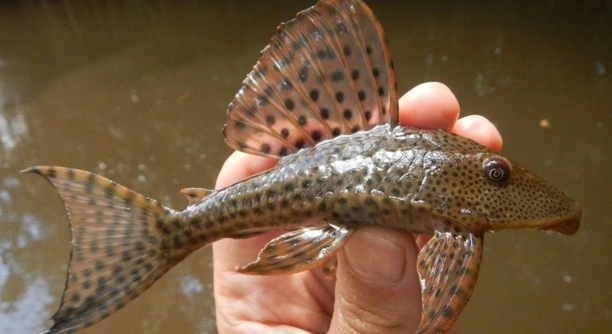
Feeding plecos is essential for their health, but it’s important to understand their feeding preferences. They are bottom-dwelling fish that primarily enjoy sinking foods, but some may adapt to floating platforms for feeding.
Plecos can be fed on a floating platform, though they are more accustomed to foods that sink. However, some species can learn to feed from the surface if the food is offered in small, manageable portions.
There are specific techniques and tips that can make feeding your plecos more efficient and beneficial for their well-being.
Why Plecos Might Struggle with Floating Food
Plecos are natural scavengers, often found grazing on algae and debris at the bottom of the tank. Their feeding habits are rooted in this bottom-dwelling nature, which makes them more inclined to search for food that sinks rather than floats. While some plecos may learn to eat from the surface, it’s not the most natural way for them to feed. This preference for sinking food is why they might struggle with floating platforms. They are designed to navigate substrates and crevices in their environment, where floating food may be harder to reach or detect.
It’s important to consider this behavior when setting up feeding stations. You may notice that your plecos seem uninterested in floating food, and this could be because they aren’t accustomed to feeding in this manner.
To help your pleco adjust, you can try offering sinking foods alongside the floating ones, allowing them the option to feed in their natural style while still benefiting from a floating platform setup.
How to Make Floating Food Accessible
If you’re determined to feed your plecos using a floating platform, there are a few strategies that can help. One option is to attach the food to a submerged object to bring it closer to the bottom. Another way is to introduce the food gradually, starting with sinking pellets before incorporating floating varieties. Plecos may begin associating the floating platform with feeding time over time, making the transition smoother. You can also ensure the food is in small enough pieces that they can easily consume it from the surface.
Introducing food to plecos can be a slow process. They tend to be creatures of habit and may need some time to adapt to the new feeding method. Patience is key when it comes to getting them accustomed to eating from a floating platform. Over time, they will likely learn to recognize the platform as a food source, and their feeding behavior may evolve.
Types of Food Suitable for Floating Platforms
Plecos can be fed a variety of foods on a floating platform. The best options include pellets, wafers, or pieces of algae that can float. These foods are ideal because they provide necessary nutrients and are lightweight enough to float while still being accessible to plecos at the surface. Keep in mind that while some plecos will nibble at floating food, others may take time to get used to it.
When choosing food for floating platforms, consider options like algae wafers or vegetable-based foods. These will not only attract plecos but also cater to their natural dietary preferences. Some plecos are herbivores and thrive on plant-based foods like spinach or zucchini. You can also feed them small amounts of sinking food alongside the floating varieties to maintain balance. If plecos aren’t eating the floating food right away, try using food that’s more visually appealing, like small, colorful wafers.
If your pleco is hesitant, try placing the food at varying heights in the tank to see if that helps them adjust. Plecos are smart creatures and may soon begin to associate the floating platform with food. You can also combine floating food with their favorite sinking varieties to ensure they’re getting a balanced diet.
The Best Time to Feed Plecos on a Floating Platform
Feeding plecos at the right time is essential for making sure they get enough nutrition from floating food. It’s generally best to feed them during the evening, as plecos are nocturnal creatures. At night, they’re more active and willing to explore their environment, which means they might be more interested in feeding. This is when the floating platform approach can be most effective.
Offering food in the evening ensures that your pleco has the opportunity to consume it when they’re more active. If you feed during the day, they may miss out on the chance to fully enjoy their meal, especially if they’re still getting used to feeding from the surface. During feeding time, ensure that the water conditions are right—proper lighting and a calm atmosphere help plecos focus on their food.
How to Encourage Plecos to Use a Floating Platform
If your plecos aren’t immediately interested in the floating platform, try adding sinking food nearby. This encourages them to explore the surface for food. Over time, they’ll start associating the floating platform with a food source, making them more willing to feed from it.
Another helpful tip is to reduce the water flow around the platform. Strong currents can make it harder for plecos to reach floating food, especially if they are more accustomed to feeding from the bottom. A calmer environment will allow them to focus on the food without distractions.
Benefits of Feeding Plecos on a Floating Platform
Feeding plecos on a floating platform offers a controlled environment where you can monitor their food intake more easily. You can also ensure that the food is accessible and not getting buried in the substrate. This method helps prevent uneaten food from decaying at the bottom, keeping the tank cleaner.
Using a floating platform also provides more flexibility in food placement. You can experiment with different food types and see what your pleco prefers. Offering various options on a platform ensures that they’re getting a balanced diet with the necessary nutrients to thrive.
Cleaning the Floating Platform
To keep your floating platform in good condition, regularly clean it to remove food residues. A quick rinse with tank water will help prevent any buildup of algae or bacteria. Make sure to do this weekly to maintain a healthy feeding environment.
FAQ
Can plecos eat all types of floating food?
Not all floating foods are suitable for plecos. While some plecos will eat certain types of floating food, they generally prefer sinking varieties like algae wafers and pellets. Floating foods may take longer for them to get used to, but if they are herbivores, they can enjoy plant-based floating food options, such as spinach or zucchini. It’s essential to use floating food that’s designed for bottom-dwelling fish. Ensure that it’s not too large or tough for them to consume.
How do I know if my pleco is eating enough from the floating platform?
It’s important to observe your pleco’s behavior after feeding. If the food is disappearing and your pleco is actively seeking more, it’s likely eating enough. However, if you notice uneaten food left behind after a few hours, your pleco may not be interested in the floating platform yet. Plecos are opportunistic feeders, so they will adapt to floating food over time if they can access it easily.
Why does my pleco ignore the floating platform?
Your pleco may not be familiar with floating platforms, as they are typically bottom-dwelling fish. It could take some time for your pleco to adjust to this new feeding method. Try placing sinking food near the platform to encourage exploration. Over time, as your pleco begins to associate the platform with food, it may start feeding from it.
How often should I feed my pleco on a floating platform?
Plecos don’t need to be fed every day, especially if your tank has natural algae growth. You can feed them 2-3 times a week. Offering food on the floating platform during their more active times (usually at night) will help ensure they get enough nutrition without overfeeding. Be mindful of the amount of food you put out, as uneaten food can lead to water quality issues.
Can I use a floating platform for all species of plecos?
Not all species of plecos are the same. Some species, like the common pleco, prefer to feed on algae at the bottom, while others might adjust more easily to floating food. It’s essential to know the dietary habits of your specific pleco species. If you’re not sure, it’s always best to offer a variety of food types and see what works best.
Should I remove leftover food from the platform?
Yes, it’s a good idea to remove any leftover food after 2-3 hours. Plecos are not likely to eat food that has been floating for too long. If food is left on the platform, it can decompose and affect water quality. Regularly removing uneaten food helps keep the tank clean and reduces the risk of ammonia spikes.
Can I feed my pleco other food while using the floating platform?
Absolutely. You can still offer sinking foods in addition to the floating food. Mixing both will give your pleco variety in its diet. Just be sure to avoid overfeeding. Plecos are natural foragers, and they will eat what they can, which can lead to excessive waste in the tank if too much food is offered.
Are there any risks to feeding plecos on a floating platform?
Feeding plecos on a floating platform doesn’t pose significant risks, but if the platform isn’t cleaned regularly, it can become a breeding ground for bacteria or algae. Also, using too much floating food might cause your pleco to overeat, leading to digestive issues. Keep the platform clean and only offer enough food that your pleco can consume within a few hours.
How can I make feeding plecos on a floating platform easier?
To make the process easier, place the platform at a location where the water current is minimal, as plecos are not strong swimmers. You can also use a shallow platform or a weighted one that will stay in place while your pleco feeds. This will give them easier access and help them adjust faster.
Can plecos feed on floating plants?
Yes, some plecos will nibble on floating plants like water lettuce or duckweed. If you have live plants in your tank, they may naturally feed on these. However, keep in mind that floating plants don’t provide all the nutrients your pleco needs, so it’s important to provide a balanced diet with additional food sources.
How can I make my pleco more comfortable with floating food?
Start by introducing small amounts of floating food alongside sinking food. You can also try adding food that has a strong scent, as it will attract your pleco. Over time, they may begin to associate the floating platform with food, making them more likely to try it.
Final Thoughts
Feeding plecos on a floating platform can be a useful and convenient way to ensure they get the nutrients they need. While plecos are generally bottom-feeding fish, many can learn to feed from floating surfaces with a little patience. The key is to offer food that appeals to them, such as algae wafers or plant-based options. Over time, as they grow more familiar with the floating platform, they’ll begin to recognize it as a source of food. It’s important to stay consistent with feeding times and monitor how much food is being consumed to prevent overfeeding or leftover food that could affect water quality.
Another important aspect of feeding plecos on a floating platform is keeping the feeding area clean. Regularly removing uneaten food after a few hours is crucial to maintaining a healthy tank environment. Leftover food can lead to water contamination, which can harm the pleco and other tank inhabitants. It’s also important to clean the floating platform itself regularly to prevent the buildup of bacteria or algae. If the platform is kept clean, it will encourage your pleco to feed from it and help ensure their health over time.
Lastly, consider the specific needs of your pleco species. Not all plecos will take to floating platforms the same way. Some species may prefer feeding at the bottom, while others may adapt quickly to floating food. If your pleco isn’t showing interest in the floating platform right away, don’t get discouraged. Experiment with different food types and feeding schedules until you find what works best. With some trial and error, you can successfully feed your pleco on a floating platform and provide them with a balanced, varied diet.

Hello,
If you enjoy the content that we create, please consider saying a "Thank You!" by leaving a tip.
Every little bit helps us continue crafting quality advice that supports the health, happiness, and well-being of pets around the world, for pets of all shapes, sizes, and species.
We really appreciate the kindness and support that you show us!