
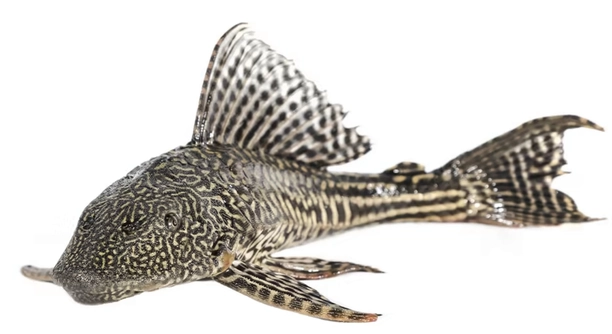
Is your pleco hiding all day and only coming out to eat when the lights go off and the room is quiet?
Plecos are nocturnal by nature, meaning they are most active during the night. This behavior is instinctual and helps them avoid predators in the wild. Their nighttime feeding habits are completely normal and not usually a cause for concern.
Understanding your pleco’s behavior can help you create a comfortable and healthy environment for them to thrive in your tank.
Why Plecos Are Naturally Nocturnal
Plecos are naturally adapted to being active at night. In the wild, they live in rivers and streams where daylight can be intense, and hiding during the day helps them stay safe. Their eyes are sensitive to light, and their bodies are built to rest during daytime hours. At night, they come out to graze on algae, decaying plants, and leftovers. This routine helps them avoid predators and allows them to feed in peace. In your home tank, this same behavior continues. Your pleco may stay hidden behind decorations or inside caves all day, only moving around when the lights are off. There’s no need to be alarmed by this. It’s not a sign of stress or illness—it’s just their natural pattern. If your pleco eats well at night and appears healthy, you’re likely doing everything right. Their nighttime activity is a good indicator of their comfort and well-being.
Some plecos may occasionally become more visible during the day, especially if they feel secure in their environment.
Watching them move around the tank at night can be a relaxing way to observe their habits and better understand their needs.
How Your Tank Setup Can Support This Behavior
A proper tank setup can make your pleco feel safe enough to stick to its nighttime habits. Avoid using bright lighting for long periods. A dim or low-light setup during the evening encourages natural activity. Make sure your tank includes hiding places like caves, logs, or dense plants. These spots give your pleco a place to rest during the day and reduce stress. The more secure your pleco feels, the more consistent its feeding habits will be. Try to keep the tank in a calm part of the house where there’s less noise and foot traffic at night. If possible, feed your pleco just before turning the lights off. That way, the food will be fresh and available when they come out. Some fishkeepers also use a red or blue night light, which allows you to see your pleco without disturbing its routine. Creating a calm, dark environment will support their natural rhythm and keep them active and healthy.
Common Mistakes That May Disrupt Feeding
Keeping your tank lights on too late can throw off your pleco’s natural rhythm. Feeding at the wrong time or leaving food that spoils overnight may also affect their interest in eating.
Plecos rely on routine and stable tank conditions to feel comfortable enough to eat. If the lighting schedule is inconsistent or if the tank is too bright late into the evening, your pleco might stay hidden longer. Another issue is feeding too early in the day, which may leave food sitting in the tank for hours before your pleco becomes active. This can cause the food to break down and lose its appeal. Uneaten food may also affect water quality, which impacts overall behavior. It’s best to offer food around the time lights go out, when your pleco is more likely to explore. Timing and consistency are key to encouraging steady feeding habits.
Some aquarists also forget to include foods that match a pleco’s diet. Many plecos need sinking algae wafers or fresh vegetables, not just leftover flakes from other fish. If your pleco isn’t interested in what’s offered, it may not eat even when active. Try including blanched zucchini or cucumber, and remove any leftovers after a few hours to avoid water quality issues. Feeding should match their nocturnal habits.
How to Encourage Better Eating Habits
Start by feeding your pleco when the tank is dark or just before lights go out. This helps match their natural rhythm and encourages more consistent eating patterns over time.
Use a reliable feeding schedule and stick with foods that suit your pleco’s needs. Sinking algae wafers, fresh vegetables like zucchini, or specialty pleco foods work best. Place the food near your pleco’s favorite hiding spot to help it find the food faster. If other tank mates eat too quickly, you may need to feed after they’ve settled or use a feeding dish. Avoid overfeeding—too much food can spoil and lower water quality. Try offering a small amount at first and adjust based on how much is eaten. Nighttime feeding helps keep your pleco active, engaged, and well-fed. It also makes it easier to observe their condition and catch any early signs of stress or illness.
Environmental Factors That Influence Behavior
Water temperature and lighting can impact your pleco’s activity level. If the tank is too cold or too bright, your pleco may stay hidden and eat less. Keeping things stable helps maintain a natural feeding pattern.
Noise and movement around the tank can also affect behavior. Plecos feel safer in quiet, low-traffic spaces. Too much activity near the tank can make them more hesitant to come out and eat, even during their usual feeding time.
Signs Your Pleco Is Eating Well
A healthy pleco will show steady activity at night and have a full, rounded belly without looking bloated. You may see bite marks on vegetables or find clean algae spots on decorations. These signs show they’re getting enough food. Watch their body shape and energy level during night checks. If your pleco looks thin, sluggish, or avoids food, it might not be eating enough. Consistent feeding and the right tank setup help avoid these issues. If you’re unsure, try adjusting the feeding time slightly or offering a different food. It may take a few days to see changes.
When to Be Concerned
If your pleco stays hidden for days and refuses food altogether, it may be stressed or unwell. Watch for signs like clamped fins, pale coloring, or weight loss.
FAQ
Why is my pleco hiding all day and not coming out to eat?
Plecos are naturally nocturnal, so it’s normal for them to stay hidden during the day. They usually become more active after the lights go out. If your pleco isn’t coming out at night either, it could be due to stress, tank mates, or poor water quality. Bright lighting, loud surroundings, or aggressive fish in the tank might cause your pleco to feel unsafe. Make sure your tank has plenty of hiding spots and low light in the evening to help your pleco feel more secure when it’s time to eat.
Can I switch my pleco to eat during the day?
You can try, but it usually doesn’t work well. Plecos are hardwired to be active at night. Some may adjust slightly if food is consistently offered during the day, but most will stick to nighttime feeding. It’s better to feed them when they naturally feel comfortable—either in complete darkness or when tank lights are off. Trying to force a daytime feeding schedule might stress them out or lead to uneaten food sitting in the tank for too long.
What are the best foods to feed my pleco at night?
Sinking algae wafers are a great staple because they’re easy for plecos to find and digest. You can also offer blanched vegetables like zucchini, cucumber, or spinach. Some plecos also enjoy driftwood, which helps with digestion in certain species. Avoid flake foods or anything that floats, as plecos are bottom feeders and might not notice or reach it. Feed in small amounts, especially at first, and watch how much is eaten to prevent leftovers from spoiling the water.
Is it okay to leave vegetables in the tank overnight?
Yes, but remove any uneaten vegetables in the morning. Leaving them too long can cause them to rot and affect water quality. A good rule is to remove the food within 12 hours. Some veggies soften quickly and break apart, so keep an eye on them. Zucchini and cucumber hold up better overnight compared to softer options like spinach or lettuce.
How do I know if my pleco is eating enough?
Check for signs like a round, not bloated, belly and regular nighttime activity. If you place vegetables or wafers in the tank, you should see bite marks or notice that the food is slowly disappearing. A pleco that’s eating well will also continue scraping algae off decorations and tank walls. If you see visible weight loss or sluggish movement, try adjusting your feeding routine or testing your water parameters.
Can plecos overeat?
It’s possible, but uncommon. Most plecos only eat what they need. Still, too much uneaten food can create poor tank conditions, so it’s more about keeping the water safe than worrying about overeating. Stick to small portions, and if food is still there in the morning, reduce how much you offer next time.
Should I worry if my pleco doesn’t eat for a couple of nights?
Not right away. Some plecos skip meals occasionally, especially after changes in their environment or water conditions. Check for stress triggers, like tank mates, noise, or changes in water temperature. If the behavior continues for more than a few days and your pleco looks thin or inactive, it may need a check-up for illness or environmental issues.
Does tank lighting affect when my pleco eats?
Yes. Lighting plays a big role in your pleco’s schedule. Bright lights can keep your pleco in hiding even after dark. Use a regular light schedule and try to keep the tank dim at night to match their natural rhythm. Some aquarists use moonlight LEDs to gently simulate nighttime without complete darkness, which works well for observing nighttime behavior.
Are all plecos nocturnal, or are some more active during the day?
Most plecos are nocturnal, but activity levels can vary by species. Bristlenose plecos, for example, are often more visible during the day compared to common plecos or royal plecos. Younger plecos may also be a bit more active at random times. If you want a pleco that shows itself more often, consider the species before buying.
Final Thoughts
Understanding your pleco’s nighttime eating habits can help you support its health and comfort. Since most plecos are naturally nocturnal, it’s common for them to stay hidden during the day and become more active once the lights go off. This behavior isn’t something that needs to be changed—it’s just how these fish are wired. Once you accept that, it becomes much easier to care for them properly. Feeding at night, keeping the tank quiet and dim, and offering a calm environment will encourage your pleco to come out when it feels safe. Watching for changes in behavior and knowing what’s normal will help you spot signs of stress or illness early on.
Feeding your pleco doesn’t have to be complicated. Sinking wafers, blanched vegetables, and even bits of driftwood can all provide what your pleco needs. The key is to make sure the food is offered during the hours your pleco is active. If you place food in the tank during the day and it’s gone by morning, chances are your pleco found it after dark. Just be sure to remove anything that isn’t eaten within a reasonable time so it doesn’t mess with your water quality. Keep an eye on your pleco’s body shape and activity level—these will tell you more than a feeding schedule ever could.
Not all plecos are the same, so it helps to learn about the specific species you have. Some types are more outgoing than others, and a few might even show themselves during the day from time to time. Tank setup also plays a big role. If your pleco has plenty of hiding spots and feels secure, it may come out more often. But even if it stays tucked away, that doesn’t mean it isn’t doing well. The goal is to give it a clean, comfortable home that works with its natural habits. Respecting your pleco’s natural rhythm is the best way to keep it healthy. When you do that, feeding and care become much easier—and your pleco will be more likely to thrive in your tank.

Hello,
If you enjoy the content that we create, please consider saying a "Thank You!" by leaving a tip.
Every little bit helps us continue crafting quality advice that supports the health, happiness, and well-being of pets around the world, for pets of all shapes, sizes, and species.
We really appreciate the kindness and support that you show us!