
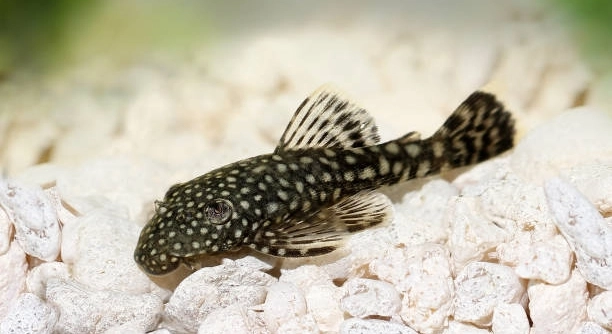
Many pleco owners love to care for their fish, but it can be challenging to ensure they are getting the right diet. Mistakes in feeding habits can affect their health and wellbeing. Knowing what to avoid is key to keeping them happy.
Feeding plecos incorrectly can lead to health issues like obesity, malnutrition, or poor water quality. Common mistakes include overfeeding, offering the wrong foods, or not providing enough variety in their diet. Ensuring proper feeding habits helps maintain their health.
Understanding how to feed your pleco correctly is essential for its overall wellbeing. These simple mistakes can have a big impact, so it’s important to address them. We’ll break down the most common feeding errors and how to avoid them.
Overfeeding Your Pleco
Feeding your pleco too much can lead to serious health problems. Many owners think their fish will be hungry all the time, but plecos are actually less likely to overeat in the wild. Overfeeding causes the water quality to degrade and can result in obesity. It’s important to feed them just enough to meet their nutritional needs, without overdoing it.
Feeding too often or offering excessive amounts of food clogs up the water with waste, leading to poor tank conditions. Overfed plecos may also become lethargic or develop swim bladder problems. Moderation is key.
To avoid overfeeding, offer small amounts of food and remove any leftovers after a few hours. Plecos are bottom feeders and can go for longer periods without food compared to other fish. Stick to a regular feeding schedule to ensure you are not overfeeding. If your pleco seems uninterested in food or is consistently leaving scraps, it might be a sign you’re offering too much. Consistency is the best way to keep your pleco healthy and your tank clean.
Wrong Type of Food
Feeding your pleco the wrong food can affect its health in the long run. Not all fish foods are suitable for plecos, so it’s important to pick foods that meet their specific dietary needs.
Plecos are primarily herbivores and need a diet high in plant matter. Feeding them only protein-rich foods, such as flakes designed for carnivores, can lead to digestive issues and poor health. Some plecos may even develop internal problems if fed high-fat foods too often.
The ideal diet for plecos includes algae wafers, fresh vegetables like zucchini or spinach, and wood for them to graze on. You can also add occasional protein like bloodworms or brine shrimp, but it should not be the main part of their diet. Offering variety will ensure your pleco gets the right balance of nutrients.
Not Providing Enough Variety
Plecos need a diverse diet to thrive. Offering only one type of food can lead to nutritional deficiencies. Without variety, your pleco may not be getting all the vitamins and minerals it needs.
If you feed your pleco the same food every day, it can grow bored and may not eat as much. It’s essential to switch things up by offering different types of vegetables, algae wafers, and occasional protein. A balanced diet ensures your pleco stays healthy and active. Regular changes in food will also make feeding time more engaging for your fish.
A variety of foods, like blanched vegetables (e.g., zucchini, cucumber) and algae-based products, are great options for plecos. Adding driftwood for them to graze on is also a natural part of their diet. It provides fiber and helps keep their digestive system healthy. By offering different food sources, you give your pleco a well-rounded diet and ensure it gets all the nutrients it needs to grow strong.
Not Maintaining Proper Water Conditions
Feeding your pleco becomes less effective if the water conditions aren’t ideal. Poor water quality can lead to stress, disease, and unhealthy feeding behavior. It’s important to maintain stable water parameters.
Water temperature, pH level, and hardness all play a role in your pleco’s overall health. Plecos prefer a temperature between 75-80°F and a slightly alkaline pH level of around 7.0-7.5. Poor water quality can cause your pleco to lose its appetite, making it more difficult for you to feed it properly. If the water conditions are right, your pleco will thrive and eat more regularly.
Make sure to perform regular water changes to remove waste and maintain clean water. Using a good filtration system will also help. Regularly test the water to check for harmful levels of ammonia, nitrites, and nitrates. Keeping the tank clean and well-maintained will reduce the risk of illness and encourage healthy eating habits in your pleco.
Feeding at the Wrong Time
Feeding your pleco at the wrong time can lead to missed opportunities for proper nutrition. Plecos are nocturnal, meaning they’re most active during the night. Offering food when they’re not active means it may go uneaten.
If you feed your pleco during the day when it’s resting, it might not notice the food. Plecos usually come out to feed in the evening or night. It’s best to provide food in the evening, when they are more likely to eat. This ensures they get the nutrition they need.
Providing food during the nighttime hours also gives your pleco time to graze and consume the food at its own pace. You can also place food in areas where the pleco feels comfortable. This method mimics natural feeding behaviors, helping to keep your pleco healthy and active.
Inconsistent Feeding Schedule
An inconsistent feeding schedule can confuse your pleco and impact its health. Plecos benefit from a routine, which helps them understand when food will be available.
Irregular feeding times can cause your pleco to miss meals or overeat when food is finally offered. It’s best to feed your pleco at the same time each day to create a predictable feeding habit. This reduces stress and ensures they receive the right amount of food.
A consistent feeding routine helps maintain your pleco’s appetite and keeps them from eating too much or too little. It also helps regulate water conditions, since food won’t be left uneaten for extended periods. Stick to a routine to ensure your pleco stays healthy.
Offering Too Large Portions
Offering too much food in one sitting can be harmful to your pleco. Plecos are bottom feeders, and they don’t need large meals at once.
Large portions can result in uneaten food, which leads to waste and poor water quality. If the food is too big, your pleco might struggle to consume it, leaving it to decay in the tank. It’s better to offer smaller portions and allow your pleco to eat them over time.
By offering smaller portions, you give your pleco a chance to eat at a slower pace and avoid overfeeding. This helps maintain good water quality and ensures your pleco eats the right amount without causing any unnecessary waste.
FAQ
What should I feed my pleco?
Plecos are primarily herbivores, so their diet should focus on plant-based foods. Algae wafers are a good staple, as well as fresh vegetables like zucchini, cucumber, and spinach. You can also offer occasional protein sources like bloodworms or brine shrimp, but these should be fed in moderation. A healthy mix of vegetables, algae, and occasional protein helps ensure your pleco gets the proper nutrients.
How often should I feed my pleco?
You should feed your pleco once a day, but only as much as it can eat in a few hours. Plecos are slow eaters, so providing food in the evening or night when they are most active is ideal. Overfeeding can harm water quality, so remove any uneaten food after a few hours.
Can I feed my pleco just algae wafers?
Algae wafers can be a primary food source, but it’s essential to offer variety. While algae wafers are nutritious, they don’t provide all the vitamins and minerals your pleco needs. It’s important to add fresh vegetables and occasional protein to their diet for a well-rounded nutrition plan. This ensures your pleco stays healthy and active.
Can I feed my pleco fruits?
Fruits should only be given as an occasional treat. Some fruits, like apples or melons, can be safe for plecos, but they contain sugars that should not be a regular part of their diet. Too much fruit can lead to digestive problems or even obesity. Stick to small, infrequent portions.
Can plecos eat peas?
Yes, peas are a great option for your pleco. They are high in fiber and can help with digestion. Make sure to remove the pea skin before feeding it to your pleco, as it can be tough for them to digest. Blanch the peas briefly in hot water to soften them.
How do I know if I’m overfeeding my pleco?
If your pleco isn’t eating all the food, or if there’s leftover food in the tank, you may be overfeeding. Overfed plecos may become lethargic, and the excess food will deteriorate water quality. To avoid this, feed smaller portions and remove any uneaten food after a couple of hours.
Can I feed my pleco shrimp?
Yes, plecos can eat shrimp, but it should be offered as a rare treat rather than a regular part of their diet. Shrimp provides protein, but too much protein can cause digestive problems for your pleco. Stick to feeding shrimp occasionally and ensure a balanced diet overall.
Do plecos need driftwood in their tank?
Yes, driftwood is important for plecos. It provides a natural surface for them to graze on, helping with digestion. Plecos are known to nibble on wood, which also helps keep their teeth healthy. Make sure to add natural driftwood to your tank, as it mimics their natural environment.
Can plecos eat lettuce?
Lettuce is safe for plecos, but it is not very nutritious compared to other vegetables like zucchini or spinach. Lettuce should be fed sparingly as part of a variety of greens. It can be used occasionally, but it shouldn’t replace more nutrient-rich vegetables.
Is it okay to feed plecos vegetables that are raw?
It’s generally best to blanch vegetables before feeding them to your pleco. Blanching softens the vegetable, making it easier for your pleco to eat and digest. Raw vegetables can be difficult for plecos to consume and may not provide the full nutritional benefit. Simply boil or steam vegetables for a few minutes before adding them to the tank.
What happens if I feed my pleco the wrong food?
Feeding your pleco the wrong food can lead to digestive problems, malnutrition, and even death. Foods designed for other fish species, especially those high in protein or fat, can upset your pleco’s digestive system. Stick to foods that suit their herbivorous nature, like algae wafers, fresh vegetables, and occasional protein.
Can plecos eat fish food designed for other species?
Plecos have specific dietary needs and should not be fed food meant for carnivorous or omnivorous fish. Fish food designed for other species may contain too much protein or fat, leading to health issues. It’s best to stick to algae wafers, plant-based foods, and occasional protein sources for plecos.
How do I prepare vegetables for my pleco?
To prepare vegetables for your pleco, wash them thoroughly and cut them into small, manageable pieces. Blanch them by boiling or steaming them for a few minutes until they soften. You can then place the vegetables in the tank using a vegetable clip or by gently weighing them down with a stone.
Can plecos eat cucumber?
Yes, cucumber is a great option for plecos. It’s hydrating and gentle on their digestive system. Peel the cucumber if it has wax or pesticides on it, and slice it into small pieces. Blanch the cucumber briefly before offering it to your pleco to ensure it’s soft enough for them to eat.
Final Thoughts
Feeding your pleco the right way is essential for its overall health and well-being. By providing a varied and balanced diet, you help ensure that your pleco gets the nutrients it needs to thrive. Overfeeding, feeding the wrong foods, and offering a lack of variety can lead to health issues, including poor growth, digestion problems, and unhealthy tank conditions. Plecos are bottom feeders and, though they can survive on limited food, a proper diet helps them grow and maintain their energy levels. It’s important to remember that a pleco’s needs change with age and size, so adjusting its diet accordingly is key.
Another important consideration is maintaining good water quality. Poor water conditions can harm your pleco’s ability to feed properly. A clean tank is essential for promoting healthy eating habits. When food is left uneaten in the tank, it can decay, which leads to harmful bacteria and poor water quality. This not only affects your pleco’s health but can also stress it out, making it less likely to eat. Performing regular water changes, keeping an eye on ammonia levels, and using a good filtration system will help keep your pleco comfortable and ensure it’s feeding in a clean environment.
By avoiding common feeding mistakes, you’ll see your pleco become more active and healthy. Offering food at the right time, keeping a consistent feeding schedule, and paying attention to the variety in their diet will keep your pleco in great shape. Remember that plecos are creatures of habit, and a predictable, consistent feeding routine will make a big difference. Caring for your pleco in the right way doesn’t just ensure they get proper nutrition—it also keeps the overall tank environment stable and healthy for all your aquatic pets.

Hello,
If you enjoy the content that we create, please consider saying a "Thank You!" by leaving a tip.
Every little bit helps us continue crafting quality advice that supports the health, happiness, and well-being of pets around the world, for pets of all shapes, sizes, and species.
We really appreciate the kindness and support that you show us!