
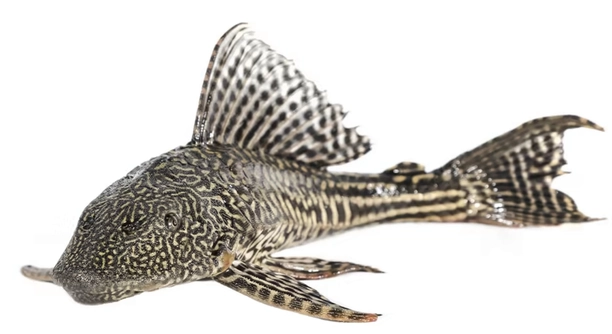
Plecostomus are popular aquarium fish known for their algae-eating habits. They are often seen as low-maintenance pets. However, understanding how to care for them properly can raise several questions, especially regarding their environment and behavior.
While plecostomus are sensitive to light, it is not recommended to train them with light in the way you might train other animals. Their behavior is largely driven by their natural instincts, and light primarily affects their feeding and rest cycles.
By exploring their natural needs and preferences, you’ll learn how lighting influences plecostomus behavior and how you can make their environment more comfortable. Understanding these factors will help ensure your fish thrive in a well-managed aquarium.
How Light Affects Plecostomus Behavior
Plecostomus are nocturnal fish, meaning they are most active during the night. Light has a significant role in regulating their day-night cycle. When exposed to light during the day, plecos tend to rest or hide in dark places. They rely on low light levels in the evening to feel more comfortable and move about their environment. Too much light can stress them out, which can affect their health and behavior.
Light does not necessarily train plecostomus in the way we typically think about training animals. Their instincts guide them more than external cues like light. However, a stable light-dark cycle helps establish a routine for feeding and resting. Proper lighting can contribute to their well-being, but it won’t teach them specific behaviors.
For a healthier pleco, create a lighting environment that mimics natural conditions. Use gentle, soft light during the day, and ensure it’s turned off at night. This routine will help your plecostomus feel secure and comfortable in their habitat. Overexposure to bright lights may stress them, which can lead to decreased activity and even health issues. Consistent lighting can promote a balanced day-night cycle that benefits your fish in the long run.
Can Light Influence Plecostomus Feeding Habits?
Feeding time is often tied to the amount of light in the aquarium. Plecostomus are primarily algae eaters and will graze on surfaces throughout the day. However, they are more likely to feed when the light is dim, as they prefer a quiet and low-lit environment.
While plecostomus will eat in the presence of light, they do so more actively when the lighting is softer and darker. This preference is part of their natural instinct, which makes them feel safer while foraging. Bright lights can cause them to retreat to darker areas, leaving algae and food untouched.
By adjusting the lighting in your aquarium, you can influence when and how much your plecostomus eats. It’s important to mimic natural conditions by ensuring they have enough time to feed during darker periods of the day or night. This routine supports their health and ensures they get proper nourishment.
Effects of Artificial Lighting on Plecostomus
Artificial lighting can disrupt the natural patterns of plecostomus, especially if it’s too bright or constant. It’s important to simulate a day-night cycle to avoid causing stress. The wrong kind of light could make them restless or prevent them from eating properly.
Plecostomus respond better to dim, indirect lighting that mimics their natural environment. Too much direct light or constantly running lights can lead to stress, causing them to hide more frequently. This behavior can prevent them from being as active or engaged in their environment. Proper lighting is essential for maintaining a healthy, balanced aquarium.
Aquarium owners should aim to keep the lighting soft and turn it off at night. Plecostomus are more comfortable with less light during their rest periods, and establishing a routine will help them stay healthy. Ensuring that their environment is peaceful and consistent promotes good behavior and activity levels.
Natural Light vs. Artificial Light for Plecostomus
Natural light is ideal for plecostomus, as it follows the cycle of day and night. However, not everyone has access to natural light for their aquarium. In those cases, artificial light can be used but with caution.
When using artificial light, make sure it’s on a timer to simulate the rising and setting of the sun. This helps regulate their behavior and supports their circadian rhythm. Avoid using harsh lights or leaving them on for too long. Doing so can upset their natural patterns and cause stress over time.
To keep your plecostomus healthy, combine a controlled light schedule with a proper environment. Give them access to darker spaces during the day to help them feel secure. Balancing natural and artificial light properly ensures they can enjoy the best of both worlds.
The Role of Light in Plecostomus Resting Patterns
Plecostomus need periods of darkness to rest properly. Too much light can interfere with their natural resting cycle. It’s important to give them a balance between light and darkness to ensure they feel safe and relaxed.
A consistent light-dark schedule mimics their natural habitat. Without enough darkness, plecos may become stressed or agitated, which can affect their overall health. It’s best to avoid bright lights late at night or early in the morning when they naturally rest.
How to Maintain a Proper Light Cycle
Maintaining a proper light cycle for your plecostomus involves setting a timer for your aquarium light. Ensure the light is on for around 10-12 hours per day and turned off at night. This schedule gives them a chance to rest, mimicking the natural environment.
A reliable light timer is a simple solution for keeping your plecostomus on track with their natural habits. Consistency is key. Ensure your plecos have a predictable cycle, so they can adjust and maintain their health.
The Importance of Light Intensity
Plecostomus do not need overly bright lighting. Strong light can cause stress, leading them to retreat or become inactive. It’s better to keep the intensity low to help them feel comfortable in their environment.
FAQ
Can plecostomus be trained using light?
No, plecostomus cannot be trained with light in the way you might train other animals. Their behavior is primarily driven by instincts, and light affects their activity levels, not their ability to learn or respond to commands. While light does influence their feeding and rest patterns, it’s not a tool for training them. Instead, providing consistent lighting helps them feel secure, which encourages natural behaviors like foraging and resting.
How much light do plecostomus need each day?
Plecostomus need a balance of light and darkness to stay healthy. A general rule of thumb is around 10-12 hours of light each day, followed by 12-14 hours of darkness. This mimics a natural day-night cycle and supports their circadian rhythm. Overexposure to light can cause stress, making it important to maintain a consistent schedule for both light and darkness.
What kind of lighting is best for plecostomus?
Plecostomus prefer low, gentle light. LED lights with adjustable intensity or soft fluorescent lighting are great options. Avoid using harsh or bright lights, as they can stress the fish. Also, choose lights that are designed for aquariums to ensure they’re safe and efficient. Remember, dim light can help your plecostomus feel comfortable during the day and night.
Can plecostomus live in a tank with constant light?
Plecostomus should not live in a tank with constant light. Like many fish, they need periods of darkness to rest. Continuous light can cause them to become stressed, interfere with their sleep, and disrupt their feeding habits. It’s essential to create a natural cycle of light and dark for their overall well-being.
Do plecostomus sleep during the day?
Yes, plecostomus are nocturnal creatures, so they are typically more active during the night. During the day, they tend to rest, often hiding in caves or under objects in the tank. A proper lighting cycle will help them establish a routine that includes a period of rest during daylight hours.
Does light color affect plecostomus behavior?
The color of light can have a slight effect on plecostomus behavior. They prefer dim, warmer tones, such as yellow or red, over bright, cool colors like blue or white. While the primary purpose of light is to regulate their sleep and feeding cycles, using softer, warmer lights helps to keep them feeling safe and reduces stress.
Should I use a light timer for my plecostomus?
Yes, using a light timer is highly recommended. A timer helps maintain a consistent light-dark cycle, which is important for regulating the plecostomus’ daily routine. It ensures they receive a natural amount of light during the day and complete darkness during the night, helping them feel secure and reducing the risk of stress.
Can I use natural sunlight for my plecostomus tank?
Natural sunlight can be used for your plecostomus tank, but it’s important to be careful. Too much direct sunlight can cause fluctuations in water temperature, algae overgrowth, or inconsistent lighting. A tank placed near a window might get enough light, but it should be indirect light to avoid overheating or stressing your plecostomus.
Does bright light cause plecostomus to hide?
Yes, bright light can cause plecostomus to hide. They are naturally more comfortable in dim or low-light conditions. When exposed to bright lights, they may seek shelter in darker areas of the tank. To keep your plecostomus healthy and active, it’s best to avoid excessive brightness and ensure they have access to shaded areas.
How can I tell if my plecostomus is stressed by light?
Signs that your plecostomus is stressed due to light include excessive hiding, reduced activity, and erratic swimming patterns. They may also become more skittish or reluctant to feed. If you notice any of these signs, it may be a good idea to adjust the lighting schedule or reduce the intensity of the lights to make them feel more comfortable.
Can I train my plecostomus to associate light with feeding?
While plecostomus will recognize a pattern of light and feeding, they do not “learn” the same way other animals might. They may come to associate light with feeding time, but this isn’t due to training. Rather, they are following natural instincts to forage when the light dims and food is available.
How long should I leave the light on for plecostomus?
The light should be on for about 10-12 hours per day. This helps simulate a natural day-night cycle and gives your plecostomus the appropriate amount of light. At night, the light should be turned off to provide them with a rest period. Consistency in the light schedule is important for maintaining their health.
Can plecostomus handle different types of aquarium lights?
Plecostomus can handle various types of aquarium lights, but the intensity and duration should be managed. LED lights or fluorescent lighting are commonly used, but it’s important to adjust the light’s strength to avoid overexposure. They thrive under lights that provide a gentle, natural effect, rather than harsh, constant lighting.
Should I turn off the light at night for my plecostomus?
Yes, you should turn off the light at night. Plecostomus are nocturnal and prefer dark conditions for rest. Keeping the light off at night helps them follow their natural behavior patterns. Constant light exposure can cause stress and disrupt their daily routines, so it’s crucial to provide a period of darkness.
What happens if I use too much light for my plecostomus?
Using too much light for your plecostomus can cause stress, interfere with their resting patterns, and disrupt their feeding habits. If the light is too bright or remains on for too long, plecostomus may become overly shy, hide more often, or even show signs of ill health. Always keep their light levels moderate and consistent.
Final Thoughts
In conclusion, plecostomus are fascinating fish that thrive in environments where their natural instincts are respected, especially when it comes to lighting. Proper lighting is essential for their well-being, as it helps regulate their behavior, feeding patterns, and sleep cycles. A consistent light-dark cycle is crucial for maintaining their health and comfort. Overexposing them to bright or constant light can cause unnecessary stress, which could lead to changes in behavior or health issues. By offering them a gentle, natural light schedule, you create a more peaceful and secure environment for your plecostomus.
When setting up your plecostomus tank, remember that the type of lighting you use and the way you manage it can make a big difference. Soft, dim lighting is best for these fish. Avoid bright lights that could disrupt their natural rhythms. Using a timer to control the lighting is a simple and effective way to ensure that they receive the proper amount of light during the day and have enough darkness at night to rest. This balanced approach mimics their natural habitat and allows them to feel comfortable in their aquarium.
Overall, understanding the relationship between light and plecostomus behavior is key to keeping them healthy and happy. Though light doesn’t train them in a traditional sense, it plays a significant role in shaping their daily routines. By focusing on creating a natural, low-stress environment with proper lighting, you give your plecostomus the best chance for a long and healthy life.

Hello,
If you enjoy the content that we create, please consider saying a "Thank You!" by leaving a tip.
Every little bit helps us continue crafting quality advice that supports the health, happiness, and well-being of pets around the world, for pets of all shapes, sizes, and species.
We really appreciate the kindness and support that you show us!