
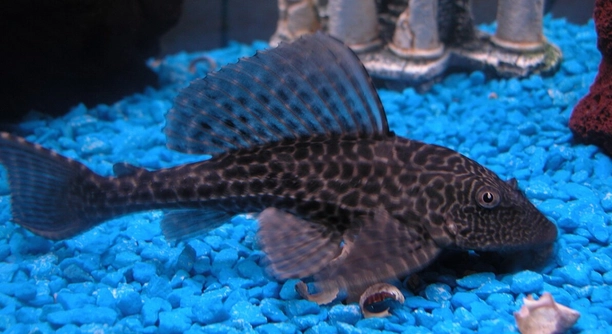
Plecos are popular freshwater fish often kept in aquariums for their algae-eating habits. These fish can show various behaviors, making it natural for owners to wonder about their personalities. Understanding their behavior helps us learn more about them.
Plecos, like many animals, can experience personality changes over time. Environmental factors, age, and their interaction with other fish can influence their behavior, leading to shifts in how they act. Such changes are often subtle but noticeable.
Behavioral changes in plecos can depend on their surroundings and experiences. Identifying these changes can help you maintain a happy and healthy aquarium environment for your pleco.
What Causes Plecos to Change Their Personality?
Plecos are known for their calm and peaceful nature. However, they can sometimes show different behaviors depending on various factors. Environmental changes, such as water temperature, lighting, or tank size, can affect their mood. They may become more active or reclusive based on how they feel in their surroundings. Social dynamics also play a role. Plecos can act differently when kept alone or with other species, as their comfort levels shift. Some might even display territorial behavior if they feel their space is being invaded by other fish.
Water quality is another important factor. When the water conditions are not ideal, plecos may show signs of stress. Poor water quality can lead to less activity and a more withdrawn attitude. It’s essential to maintain a clean tank and check the pH, temperature, and filtration to keep them comfortable. If they sense a threat, such as a new or aggressive tank mate, they might change how they interact with others or even hide more often.
Plecos can also adapt their behavior as they grow older. Juvenile plecos are often more active and curious, while adults might be more laid-back and focused on feeding. With age, they may become more set in their ways, but occasional changes in behavior are common. It’s important to observe these shifts to ensure they are adjusting well to their surroundings.
Can Stress Affect Their Behavior?
Plecos are sensitive to stress. If they are not comfortable, it can lead to noticeable behavioral changes. Whether it’s the water quality, tank mates, or feeding schedule, stress can have a significant impact.
Plecos can become withdrawn when stressed. Their behavior may change dramatically, with them becoming less active and more prone to hiding. Stress can also affect their appetite, causing them to eat less or stop eating altogether. This is a sign that something in their environment may need adjusting. Regularly checking on your pleco’s behavior can help you spot these issues early on, ensuring they remain healthy and happy.
How Tank Size Affects Pleco Behavior
Plecos need enough space to thrive. A small tank can make them feel cramped, which can lead to stress and behavioral changes. If your pleco doesn’t have enough room, it might start hiding more or become aggressive towards other fish.
A tank that’s too small can limit their movement, leading to frustration and a change in personality. Plecos are territorial, and in a crowded environment, they may exhibit more defensive behaviors. To keep them comfortable, provide a larger tank with ample space to swim and explore. This can help prevent negative behavior changes and promote a healthier environment for your pleco.
Keeping the tank spacious can also improve water quality. A larger tank allows for better filtration and helps maintain stable water conditions, reducing the chance of stress. A bigger tank isn’t just better for the pleco’s physical health—it’s essential for their mental well-being as well.
The Impact of Feeding Habits
Plecos are primarily herbivores and need a balanced diet to stay healthy. If they are not being fed properly, their behavior may change. They may become more passive or even show signs of hunger by acting out.
Feeding habits affect their mood. If a pleco isn’t getting enough food or the right kind, it might start to act more aggressively in search of a meal. Providing a variety of foods such as algae wafers, vegetables, and occasional protein sources ensures they stay satisfied and engaged. It’s essential to observe how your pleco responds to different foods and adjust their diet accordingly.
Proper nutrition helps maintain a pleco’s energy and calm demeanor. A well-fed pleco is less likely to act out or retreat into hiding. Just like any other animal, a lack of proper food can change their behavior, so keeping their diet consistent is key to keeping them happy and healthy.
How Tank Mates Influence Pleco Behavior
Plecos can be affected by the fish they share a tank with. Some species are more peaceful, while others are aggressive, which can stress your pleco and change its behavior. Observing how your pleco interacts with tank mates is important.
If your pleco feels threatened by other fish, it might hide more often or display territorial behavior. For example, more aggressive fish can make plecos feel unsafe, leading them to retreat. To prevent this, choose tank mates that have similar temperaments and won’t cause stress for your pleco. A calm environment helps maintain their usual peaceful demeanor.
The Role of Lighting in Behavior
Plecos can be sensitive to lighting, especially since they are nocturnal by nature. If the tank lights are too bright or on for too long, it can lead to stress or cause them to hide more during the day.
To avoid this, try dimming the lights during the day or using a timer to ensure they get plenty of rest during their off hours. Maintaining natural day-night cycles supports their behavior and health. By creating a proper lighting environment, your pleco will feel more secure and likely exhibit normal, relaxed behavior.
Water Temperature and Behavior
The water temperature plays a major role in pleco behavior. If the water is too warm or too cold, it can affect their activity levels and mood. Keeping the water at a consistent, optimal temperature helps prevent unnecessary stress.
Plecos thrive in water temperatures between 74°F and 80°F (23°C to 27°C). When the water is too cold or hot, they may become sluggish, hide more often, or become less active. Monitoring the temperature regularly and adjusting the heater if necessary can ensure your pleco remains comfortable and active.
FAQ
Do plecos change behavior as they age?
Yes, plecos can change their behavior as they grow older. Juvenile plecos tend to be more active and curious, exploring their environment more frequently. As they mature, they may become more laid-back and spend more time resting or grazing. Some plecos also become less social with age, especially in smaller tanks, as they tend to prefer having more space to themselves. These changes are natural and can vary depending on the specific species and the conditions they live in.
Can plecos become aggressive?
While plecos are generally peaceful fish, they can display aggressive behaviors under certain circumstances. If they feel threatened by tank mates or are competing for resources like food or space, they may become more territorial. Aggression is more common when plecos are kept in too-small tanks or with fish that have incompatible temperaments. In these cases, they might exhibit chasing, fin nipping, or even hiding as a way to avoid conflict. Providing ample space and choosing suitable tank mates can help reduce aggression in plecos.
How do I know if my pleco is stressed?
Stress in plecos can show up in several ways. If your pleco is hiding more than usual, especially during the day, it could be a sign of stress. Other signs include loss of appetite, lethargy, or erratic swimming patterns. If the pleco is displaying darker colors or hiding in a corner of the tank, it may be experiencing stress due to poor water conditions, aggression from tank mates, or changes in its environment. Regular water checks and observing your pleco’s behavior will help you identify and address any stress-related issues.
Can water temperature cause pleco stress?
Yes, water temperature is a crucial factor in the well-being of plecos. If the water is too warm or too cold, it can stress the fish, leading to sluggishness, a loss of appetite, or hiding more often. Plecos typically prefer a water temperature range of 74°F to 80°F (23°C to 27°C). If the temperature falls outside of this range, they may become less active or even stop eating. Using a reliable thermometer and maintaining a consistent temperature can prevent these issues.
What should I feed my pleco to avoid behavior changes?
Feeding your pleco a well-balanced diet is essential for its health and behavior. Plecos are primarily herbivores, so their diet should consist mainly of algae wafers, vegetables like zucchini and cucumber, and occasional protein sources like brine shrimp or bloodworms. Feeding a variety of foods ensures your pleco receives all the necessary nutrients. Overfeeding can lead to obesity or poor water quality, while underfeeding may cause the fish to become more aggressive or lethargic as it searches for food.
How do tank mates affect a pleco’s behavior?
Tank mates can significantly influence a pleco’s behavior. Peaceful tank mates, such as small tetras or peaceful catfish, won’t stress a pleco, and it will likely remain calm and social. However, if your pleco shares the tank with aggressive or territorial fish, it may become more withdrawn or defensive. Incompatible tank mates can also lead to constant stress, making your pleco hide more or display erratic behaviors. To keep your pleco happy, ensure the tank has appropriate fish companions that won’t cause unnecessary stress.
Why is my pleco hiding all the time?
If your pleco is hiding frequently, it could be due to several factors. Plecos are nocturnal, so they might hide during the day and become more active at night. However, constant hiding could also be a sign of stress or illness. Stress could be caused by poor water quality, aggressive tank mates, or unsuitable water temperature. It’s essential to check the tank’s conditions and make any necessary adjustments. If the hiding continues despite improvements in the environment, it may be worth checking for potential health issues.
Can plecos live with other fish?
Yes, plecos can live with a variety of other fish as long as they have enough space and the tank mates are compatible. Many plecos are peaceful and will get along with non-aggressive species, like tetras or peaceful catfish. However, plecos can become territorial, especially as they age, so it’s important to monitor their interactions with other fish. Avoid pairing them with aggressive fish, as this can lead to stress and behavioral changes. It’s also a good idea to ensure the pleco has enough hiding spots in the tank to feel safe.
Do plecos need a lot of hiding spaces?
Yes, plecos benefit from having hiding spaces in their tank. These fish are naturally shy and can become stressed if they feel exposed. Providing caves, rocks, or driftwood gives them places to retreat to when they feel threatened or need a break. It’s especially important if your pleco shares the tank with other fish, as having a safe space allows it to avoid conflict. Hiding spots also help plecos feel more secure, reducing the likelihood of stress-related behavior changes.
Can lighting affect a pleco’s personality?
Lighting can impact a pleco’s behavior, particularly since they are nocturnal animals. Bright lights or prolonged exposure to light can cause stress or make them more reclusive. To mimic their natural habitat, it’s best to provide a tank with dim lighting or to use a timer for the lights to maintain a natural day-night cycle. This will help your pleco feel more comfortable and reduce stress. Additionally, it’s a good idea to give them time to rest in low-light conditions, which helps them stay calm and active during their preferred nighttime hours.
Final Thoughts
Plecos are fascinating fish that can bring a lot of joy to your aquarium. While they are generally known for their peaceful and calm nature, their behavior can change over time. It’s important to remember that these changes are often influenced by a range of factors, such as their age, environment, tank mates, and feeding habits. Understanding what could cause these changes can help you create a better environment for your pleco, ensuring it stays healthy and happy.
Keeping a close eye on the water quality, temperature, and tank size is essential to preventing stress and behavioral shifts. Plecos need enough space to swim freely and maintain their natural behaviors. If the tank is too small or the conditions are poor, they may become more withdrawn or less active. Similarly, tank mates should be chosen carefully to avoid aggression, which could make your pleco feel unsafe. Offering a balanced diet with a variety of foods also helps maintain their overall well-being, as plecos require proper nutrition to stay healthy and active.
In conclusion, while plecos may show changes in personality over time, it is usually a result of environmental factors or natural aging. By ensuring a stable environment, proper tank care, and a suitable diet, you can help minimize stress and maintain your pleco’s peaceful demeanor. Regular observation and attention to their needs will ensure that they continue to thrive and adapt well to their aquarium life. Understanding these factors allows you to better support your pleco and enjoy the unique behaviors they display over the years.

Hello,
If you enjoy the content that we create, please consider saying a "Thank You!" by leaving a tip.
Every little bit helps us continue crafting quality advice that supports the health, happiness, and well-being of pets around the world, for pets of all shapes, sizes, and species.
We really appreciate the kindness and support that you show us!