
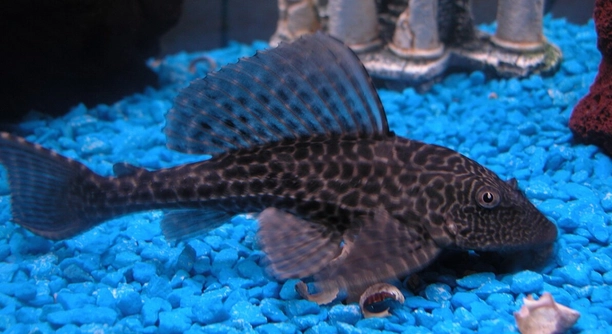
When you have a pleco in your aquarium, observing its behavior can be fascinating. These fish are known for their unique personalities, and how they interact with their tank can tell you a lot about their comfort level.
Plecos show affection for their tank through several behaviors, including exploring, cleaning surfaces, and swimming in patterns. They also become more active at night and may use decorations as hiding spots, indicating a sense of security and contentment.
Understanding these behaviors is key to making sure your pleco is happy. By observing their movements and habits, you can ensure your tank provides the right environment for them to thrive.
Plecos Enjoy Exploring Their Tank
Plecos are naturally curious creatures, and when they like their tank, they will spend a lot of time exploring it. These fish are bottom dwellers, and they often cruise along the surface of rocks, plants, and other decorations in the tank. They’re usually searching for food, but they also enjoy the exploration process itself. A pleco’s behavior becomes more active when the tank is well-suited to its needs, and they’ll swim across the glass, rocks, or driftwood, which are all signs of a happy pleco. It’s important to provide a tank with enough hiding spots and surfaces to climb on, as plecos love to explore every inch of their environment.
Having plenty of space for your pleco to roam is crucial. When the tank is set up with adequate hiding spots, plecos feel more comfortable and will show this by actively exploring and moving around.
The right setup, including rocks and plants, can make a huge difference in how your pleco interacts with its tank. They thrive in environments that resemble their natural habitat, so be sure to add these elements to encourage exploration and maintain their well-being.
Plecos Keep Things Clean
Plecos are often seen scraping algae from surfaces in their tank. This behavior is a good indication that they are content with their environment. When plecos like their tank, they take on the role of natural cleaners, constantly grazing on algae that grows on the glass, rocks, and decorations.
By cleaning these surfaces, plecos help keep the tank in balance. Their constant movement and algae-eating habits contribute to the health of your aquarium by reducing algae buildup. When plecos perform this cleaning routine, it shows they are comfortable and feel at home in their tank.
Their cleaning efforts are not just beneficial for the tank but are also a sign of their comfort level. Plecos feel secure in an environment where they can do what comes naturally to them. This behavior of scraping and cleaning shows that they are happy and healthy, further confirming that their tank is a suitable and well-maintained space.
Plecos Love Their Hiding Spots
Plecos are shy by nature, and they often seek out hiding spots in their tank. A pleco that feels comfortable in its environment will spend time in these spaces, resting during the day or taking refuge when startled. Providing plenty of hiding spots, such as caves, plants, or driftwood, is crucial. This allows your pleco to feel secure and reduces stress.
These hiding spots are essential for plecos to feel relaxed. When they have places to retreat to, they can rest and rejuvenate. It’s also a good sign if your pleco regularly visits these spots, as it shows they are comfortable and not stressed by their surroundings.
While plecos are not always out in the open, their behavior of retreating to hiding spots shows that they are satisfied with their environment. A tank with adequate hiding places offers the perfect setting for your pleco to thrive, balancing both security and comfort.
Plecos Are Active at Night
Plecos are nocturnal creatures, meaning they are most active during the night. When your pleco likes its tank, you may notice an increase in activity during the evening hours. They swim around more, explore, and search for food when the lights are off. This behavior is natural and a sign that they feel safe and comfortable in their habitat.
At night, plecos feel free to move around without the distractions or potential stress of daytime activity. They are more likely to come out of hiding and explore every corner of their tank. The increased activity shows that the tank setup supports their natural instincts and needs.
Their nocturnal nature also reflects a sense of security. Plecos only feel comfortable enough to be active at night when their environment is free from disturbances. If you notice your pleco being more active in the evenings, it’s a good sign that they are content with their tank setup.
Plecos Enjoy Swimming in Patterns
When plecos are happy in their tank, they often swim in specific patterns, moving around in a methodical way. These patterns are not random but show their comfort with the environment. A pleco that swims smoothly and confidently is a sign that it feels secure.
This swimming behavior can be seen as a form of exercise. Plecos swim in slow, deliberate movements, covering all areas of their tank. If you notice your pleco swimming in a relaxed, consistent pattern, it suggests that the tank is well-suited to their needs.
Such behavior highlights the overall well-being of your pleco. A stable, healthy environment encourages them to engage in these normal swimming patterns. If your pleco moves with ease, it indicates a positive response to their tank setup.
Plecos Show Interest in Tank Mates
Plecos are not overly social with other fish, but they will show interest in tank mates when they are comfortable in their space. If your pleco is calm around other fish, it’s a sign they are not stressed by their environment.
Plecos can coexist peacefully with other fish, especially when their tank has enough space. When plecos are happy, they do not react aggressively to other species. Their calm interaction suggests that the environment is stress-free and allows them to feel safe around other creatures.
This behavior also reveals that the pleco is content with the tank’s social balance. A peaceful pleco is an indication that they have adjusted well to their surroundings and are comfortable with the other fish living with them.
Plecos Rest Quietly
Resting is an important part of a pleco’s day, and when they like their tank, they will rest quietly. You will often see them tucked into corners or resting on surfaces like rocks and driftwood. This behavior is natural and signifies that your pleco feels safe in its environment.
FAQ
What do plecos eat?
Plecos are primarily herbivores, so they enjoy a diet of algae, plants, and vegetables. They can also be fed sinking pellets or wafers that are rich in fiber. In addition to natural algae growth in the tank, plecos benefit from occasional additions like zucchini, cucumber, and spinach. Offering a variety of food sources helps keep them healthy and happy.
Can plecos live with other fish?
Yes, plecos can live with other fish, but it’s important to choose tank mates carefully. Plecos are generally peaceful and prefer to keep to themselves, especially during the day. However, they can coexist with other non-aggressive species. Avoid placing them with very small fish or overly aggressive species that might disturb their peaceful nature.
How can I tell if my pleco is stressed?
Signs of stress in plecos can include hiding more often, excessive scratching, or a decrease in appetite. If your pleco spends more time than usual in a hiding spot or stops eating, it could be a sign of stress. Stress may also cause them to swim erratically or appear lethargic. Maintaining a stable tank environment and ensuring proper water conditions can help reduce stress.
How often should I clean the tank for my pleco?
Cleaning the tank is essential for plecos since they produce waste, and excess waste can lead to water quality issues. It’s recommended to perform partial water changes at least once a week, depending on the tank size. Keep the filter clean, remove excess debris, and scrub algae off surfaces to maintain a healthy environment. Plecos help by eating algae, but they can’t clean everything.
Do plecos need a filter?
Yes, plecos benefit from a filter to maintain clean water. Filters help remove waste and keep the water oxygenated. Since plecos tend to produce a fair amount of waste, a filter will help maintain good water quality, reducing the risk of harmful toxins building up in the tank. Ensure that the filter is appropriate for the size of the tank.
Are plecos nocturnal?
Yes, plecos are nocturnal. They are more active during the night, which is when they explore and forage for food. During the day, they tend to rest, often hiding in caves or behind plants. Understanding their nocturnal behavior helps you know when to expect them to be most active and when they prefer to be left alone.
How long do plecos live?
Plecos can live for quite a long time, typically anywhere from 10 to 15 years, depending on the species and the care they receive. Providing a healthy, stable tank environment with good water quality and proper nutrition will help ensure that your pleco lives a long, healthy life.
What size tank does a pleco need?
The minimum tank size for a pleco is typically 30 gallons, but it depends on the species. Some plecos, like the common pleco, can grow quite large, up to 18 inches or more, so they may eventually need a larger tank as they grow. It’s important to provide enough space for your pleco to swim and explore comfortably.
Do plecos require a lot of maintenance?
Plecos are relatively low-maintenance fish, but they do require regular care to ensure a healthy tank. You should clean the tank weekly, monitor water conditions, and ensure the filter is working well. While plecos help with algae control, they can’t handle all the cleaning, so regular maintenance is still needed to keep the tank in good shape.
What is the best tank decoration for plecos?
Plecos enjoy having places to hide and explore, so adding driftwood, rocks, and plants to your tank is ideal. Driftwood provides a natural surface for them to graze on, and it also gives them a place to rest. Rocks and plants help create hiding spots, making the tank feel more secure for your pleco.
Can plecos live in a tank with no plants?
While plecos can live in a tank without plants, it’s not ideal. Plants not only help maintain water quality but also provide food and hiding spaces for plecos. However, if your pleco’s tank doesn’t have plants, you’ll need to ensure that they still have enough food, such as vegetables or algae wafers, and places to hide, like caves or decorations.
Why is my pleco hiding all the time?
If your pleco is hiding frequently, it could be a sign of stress, discomfort, or illness. It’s natural for plecos to rest in caves or plants during the day, but excessive hiding or retreating to hiding spots without returning to explore could indicate a problem. Check the water quality, ensure there are no aggressive tank mates, and observe their behavior for other signs of illness.
How can I encourage my pleco to eat more?
To encourage your pleco to eat more, try offering a variety of food options. They may not be interested in dry pellets all the time, so adding fresh vegetables like zucchini or cucumber, or algae wafers, can help entice them. Make sure the food is sinking, as plecos prefer to eat off the bottom of the tank.
What water temperature do plecos prefer?
Plecos generally prefer warmer water, between 72°F and 82°F (22°C and 28°C). It’s important to keep the water temperature consistent, as large fluctuations can cause stress or illness. Use a reliable aquarium heater to maintain the temperature and check it regularly to ensure it stays within the appropriate range for your pleco.
Final Thoughts
Plecos are fascinating creatures that can thrive in a well-maintained tank. Their unique behaviors, such as exploring, cleaning, and hiding, give you insight into their comfort level in the tank. When plecos are happy, they show it by staying active, exploring every corner, and keeping the tank clean by grazing on algae. They may not always be out in the open, but their habits reflect that they feel safe in their environment. The more comfortable they are, the more you’ll notice them swimming in patterns and being active during the night.
To ensure your pleco is happy and healthy, it’s essential to provide a suitable environment. A properly sized tank, good water quality, and enough hiding spots are the basics of a good pleco habitat. Since they are nocturnal creatures, offering a peaceful, stress-free setting allows them to engage in natural behaviors. Remember, plecos are bottom dwellers, so they need surfaces to explore, graze, and hide behind. Providing plants, driftwood, or rocks is key to keeping them active and content.
It’s also important to monitor their health by observing their behavior. If you notice your pleco hiding more than usual, swimming erratically, or not eating, these could be signs of stress or illness. Regular maintenance, such as water changes and cleaning the tank, will help maintain a healthy environment for your pleco. By paying attention to their needs and behaviors, you can ensure that your pleco will live a long and happy life in your tank.

Hello,
If you enjoy the content that we create, please consider saying a "Thank You!" by leaving a tip.
Every little bit helps us continue crafting quality advice that supports the health, happiness, and well-being of pets around the world, for pets of all shapes, sizes, and species.
We really appreciate the kindness and support that you show us!