
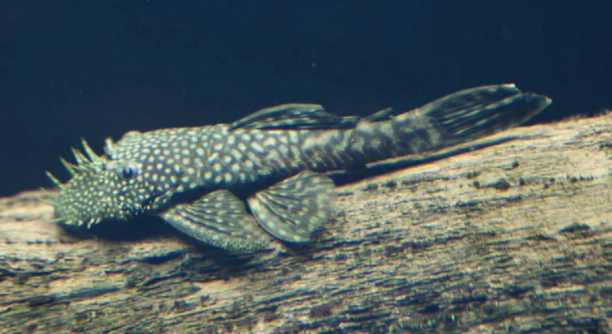
Plecos are fascinating fish, known for their algae-eating habits and peaceful nature. However, slight changes to their environment can improve their well-being and happiness. Understanding these small tweaks can help create a better habitat for your plecos.
The happiness of plecos can be improved by making adjustments to water quality, tank size, diet, and adding hiding spots. Enhancing the environment with these changes will reduce stress and contribute to the overall health of your plecos.
Making these adjustments can result in noticeable improvements in your pleco’s behavior and longevity. Small changes can lead to big benefits.
Water Quality Matters
Plecos thrive in clean, well-maintained water. Maintaining a proper filtration system will help keep the tank free from waste and harmful toxins. Regular water changes are crucial to keeping the water quality high. The water temperature should be stable, usually between 75 and 80 degrees Fahrenheit. Keeping these factors in check ensures your plecos live in a healthier environment.
The water’s pH and hardness should also match the needs of plecos. They generally prefer slightly acidic to neutral water. Ensuring these water parameters are stable reduces stress and promotes good health in plecos.
Monitoring water quality regularly can prevent issues like algae overgrowth or illnesses that could harm your plecos. Consistent care will lead to better outcomes, allowing your fish to stay vibrant and active for longer periods.
Tank Size and Space
Plecos need space to move around and grow. A tank that’s too small can make them feel cramped and stressed. A larger tank with plenty of space allows them to explore and swim freely.
As they grow, plecos require larger tanks. A minimum tank size of 75 gallons is recommended for most species. Bigger tanks offer better water quality, a wider range of hiding spots, and more room to forage. By providing enough space, you help plecos feel safe and healthy.
A tank that’s spacious enough allows plecos to display natural behaviors, like scavenging and resting in various areas. It also promotes cleaner water by allowing for better circulation and filtration. It’s essential to create an environment where they can thrive.
Diet Adjustments
Feeding plecos the right food is essential. They are primarily herbivores but may also eat some protein-based foods. A balanced diet that includes algae wafers, vegetables like zucchini or cucumber, and occasional protein supplements will keep them healthy.
Adding variety to their diet helps to maintain their health and boosts their immune system. Regularly providing fresh vegetables or blanched food ensures plecos get the necessary nutrients to grow properly. Avoid overfeeding, as uneaten food can pollute the tank and affect water quality.
By offering different foods, plecos stay engaged and active. The more variety they get, the healthier their diet becomes. This small tweak has a big impact on their overall well-being.
Hiding Spots and Decorations
Plecos need hiding spots to feel secure. These fish are naturally shy, so offering caves, driftwood, or plants can help them feel safe and reduce stress. Hiding spots provide them with a place to rest, especially during the day when they prefer solitude.
Adding decorations like large rocks or driftwood creates a more natural environment. Plecos enjoy exploring and hiding in these structures. It also provides them with places to clean, as they graze on algae and biofilm found on the surfaces.
Providing hiding spots not only supports their well-being but also promotes a healthier tank. It allows them to follow their natural instincts and keeps them feeling comfortable in their home.
Water Temperature Control
Consistent water temperature is crucial for plecos. They prefer temperatures between 75-80°F. Sudden changes in temperature can stress them out, leading to health issues.
Using a reliable aquarium heater helps maintain a stable environment. Ensure the heater is set correctly and check water temperature regularly to avoid fluctuations.
Temperature stability encourages natural behaviors and supports the pleco’s immune system. A comfortable environment makes a significant difference in their health and longevity.
Tankmates
Choosing the right tankmates is vital. Plecos are peaceful, but they can become stressed by aggressive fish. It’s best to keep them with other non-aggressive species that won’t compete for space or food.
Avoid overly territorial fish that may challenge plecos or disrupt their environment. Peaceful tankmates help maintain harmony in the tank. This ensures your pleco remains comfortable and happy.
Healthy interactions with other fish contribute to a better overall tank environment. Choose tankmates that complement your pleco’s nature, and the tank will thrive.
FAQ
How often should I feed my pleco?
Feeding plecos 2-3 times a week is generally sufficient. They are primarily herbivores, and offering a variety of foods such as algae wafers, vegetables, and occasional protein is important. Overfeeding can lead to poor water quality, which can harm your pleco. Be sure to remove any uneaten food to prevent it from decaying and affecting the tank’s water quality.
Can plecos live with other fish?
Yes, plecos are peaceful and can live with many other species. However, it’s important to avoid aggressive or territorial fish that may stress or harm them. Suitable tankmates include peaceful species like tetras, mollies, and guppies. When selecting tankmates, make sure they share similar water and temperature requirements to ensure a harmonious environment.
Do plecos need a filter?
Plecos are often large fish, and they produce a fair amount of waste. A good filtration system is essential to maintain water quality and remove excess waste. Without a filter, the tank water can quickly become polluted, which may lead to health issues for your pleco and other fish. Choose a filter rated for the size of your tank to ensure proper water flow and cleanliness.
What kind of decorations do plecos need in their tank?
Plecos appreciate having plenty of hiding spots and places to graze. They naturally seek shelter, especially during the day. Adding driftwood, caves, and live or artificial plants will create hiding spots where they can rest. Driftwood also provides a surface for them to graze on algae. Make sure the decorations are smooth to avoid injuring your pleco.
How do I know if my pleco is stressed?
Stressed plecos may display unusual behaviors such as hiding excessively, being less active, or rubbing against tank surfaces. They may also stop eating, which is a clear sign of distress. Environmental factors like poor water quality, inappropriate tankmates, or temperature fluctuations can cause stress. Monitoring your pleco’s behavior and adjusting its environment can help reduce stress and promote a healthier life.
Can plecos live in cold water?
No, plecos are tropical fish and need warmer water to thrive. Temperatures should be kept between 75-80°F. Cold water can slow their metabolism and make them more susceptible to diseases. Using a reliable heater will help maintain a stable and comfortable temperature for your pleco.
What should I do if my pleco is not eating?
If your pleco isn’t eating, first check the water quality. Poor water conditions can affect their appetite. Additionally, ensure they have access to fresh food, such as algae wafers, zucchini, or cucumber. If the problem persists, check for signs of illness, and consider consulting a vet if necessary.
How can I tell if my pleco is healthy?
A healthy pleco will have clear eyes, smooth skin, and a consistent activity level. They should swim actively at night and feed regularly. If your pleco shows signs of fading coloration, lethargy, or abnormal swimming patterns, it may indicate a health issue. Monitoring their behavior and making sure they have a well-maintained tank environment can help ensure their health.
Do plecos need light at night?
Plecos are nocturnal, meaning they are most active at night. While they don’t need constant lighting, providing a dim light in the evening can help them feel more comfortable while they are active. Ensure the tank has a natural day-night cycle, as plecos benefit from rest during dark hours. Overexposure to bright light may stress them.
How big do plecos get?
Plecos can grow large, with some species reaching up to 24 inches. The most common species, the bristlenose pleco, typically grows to about 4-6 inches. It’s important to research the specific type of pleco you have to ensure your tank is large enough to accommodate their full size. Proper space helps reduce stress and supports their long-term health.
Why is my pleco’s skin turning pale?
Pale skin on a pleco can indicate stress, poor water conditions, or illness. Stress from factors like overcrowding or poor water quality can cause the fish to lose its color. A sudden change in temperature or pH can also affect their skin tone. Check the tank’s water parameters, including pH, temperature, and ammonia levels, and make necessary adjustments to improve conditions.
Can plecos eat algae from the tank?
Yes, plecos are known for eating algae. They use their specialized mouth to scrape algae from tank surfaces. However, they still need a varied diet of algae wafers, vegetables, and occasional protein sources to stay healthy. Don’t rely solely on algae in the tank, as it may not provide all the nutrients they need. Regularly clean the tank to prevent excessive algae growth.
Should I add live plants to my pleco’s tank?
Live plants can enhance your pleco’s environment and provide additional food sources. Plecos often graze on plants and algae, which can help with digestion. Plants also provide hiding spots and help maintain water quality. Ensure the plants are hardy and not easily damaged, as plecos may uproot or nibble on them.
How long do plecos live?
Plecos can live for a long time when well cared for. In an optimal environment, they can live anywhere from 10 to 15 years. Providing a stable tank with clean water, the right temperature, and a balanced diet helps them live longer. Regular maintenance and monitoring their health will ensure they stay happy throughout their lifespan.
Do plecos need a strong current in the tank?
While plecos are found in rivers with currents in the wild, they don’t necessarily need a strong current in the tank. They can tolerate mild water flow, but too much current can cause stress. A gentle filter current is usually sufficient, and you can create sheltered spots where your pleco can rest comfortably.
Final Thoughts
Making small adjustments to your pleco’s environment can have a significant impact on their well-being. By providing the right diet, ensuring a stable water temperature, and adding suitable hiding spots, you create a space that supports their natural behavior. Plecos are relatively low-maintenance fish, but they still require attention to detail. Regular maintenance, such as cleaning the tank and monitoring water parameters, is crucial to keeping them healthy and happy.
Plecos are peaceful creatures that thrive in a calm and secure environment. Tankmates should be chosen carefully to avoid aggression or competition for food and space. With the right companions, plecos will feel more comfortable and reduce stress, which can lead to a longer, healthier life. Also, remember to give them enough space to swim and graze. Overcrowding or poor tank conditions can quickly lead to health problems.
Overall, understanding the needs of your pleco and making these small but effective changes can ensure they thrive in your aquarium. A well-maintained tank with the proper care will result in a happy and healthy pleco. Keep an eye on their behavior, feed them properly, and maintain a suitable environment, and your pleco will enjoy a long, fulfilling life.

Hello,
If you enjoy the content that we create, please consider saying a "Thank You!" by leaving a tip.
Every little bit helps us continue crafting quality advice that supports the health, happiness, and well-being of pets around the world, for pets of all shapes, sizes, and species.
We really appreciate the kindness and support that you show us!