
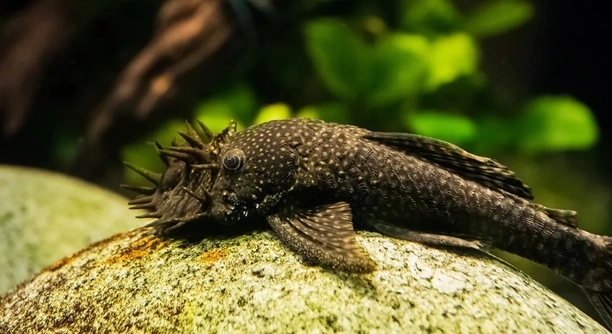
Have you ever brought home a pleco for your aquarium and started wondering if it could live in a brackish water setup? These unique environments combine both salt and fresh water, creating different care needs for fish.
Most plecos are freshwater fish and do not tolerate brackish water well. While a few species may survive mild salinity, long-term exposure to brackish conditions can negatively impact their health and shorten their lifespan.
Learning which species can adapt and how to safely manage water conditions is important before making any changes to your tank environment.
Understanding Brackish Water and Plecos
Brackish water is a mix of fresh and salt water, usually found in estuaries, mangroves, and certain coastal areas. It has a salinity level between that of freshwater and seawater. While many fish are adapted to this kind of habitat, plecos are not naturally found in brackish environments. They originate from rivers and streams in South America, where the water is soft and fresh. Because of this, their bodies are built to handle a stable, low-salinity environment. When placed in brackish water, they can experience stress, organ damage, and a shortened lifespan. Even small amounts of salt can have long-term effects. Some aquarists have kept plecos in mildly brackish water, but these cases are exceptions and usually require a careful setup. If you’re planning a brackish tank, it’s safer to choose fish that are adapted to such conditions. Plecos are best suited for freshwater tanks with proper care and environment.
Brackish water can be tempting for its unique appearance and mix of fish options, but not all freshwater species will thrive in it.
Plecos, especially common types like the bristlenose and clown pleco, prefer stable freshwater with low hardness and minimal salt. Even if some survive in low salinity, it isn’t ideal.
Alternatives for Brackish Tanks
If you want to create a brackish setup, it’s better to pick fish that naturally live in that kind of environment.
There are several species that do well in brackish water and make great additions to a tank. Options like mollies, monos, archerfish, and scats thrive in those conditions. These fish are more adaptable and enjoy the slightly salty environment. Unlike plecos, they have the right physiology to cope with changing salinity. It’s also easier to meet their dietary and environmental needs in a brackish setup. If you are looking for algae control, nerite snails are a good option, as some types can tolerate brackish water. For tank maintenance, using strong filtration and regular water testing is important to avoid problems. Instead of forcing freshwater species to adjust to the wrong conditions, choosing compatible fish helps avoid health issues and supports a balanced ecosystem. Planning your tank around the right species leads to better long-term success.
Why Some People Try Keeping Plecos in Brackish Water
Some aquarists experiment with keeping plecos in slightly salty water, often because they’re trying to control algae in a brackish tank or they assume plecos can adapt like some other freshwater fish.
In rare situations, certain pleco species have shown the ability to survive in mildly brackish setups, especially when the salinity level is kept low and changes are made slowly. However, survival doesn’t mean the fish is thriving. These setups usually require extra care, including frequent monitoring of water parameters, and even then, the fish may show signs of stress over time. Appetite loss, sluggish behavior, or health issues might appear gradually. Some species, like the sailfin pleco, may tolerate slightly higher hardness levels but still aren’t suitable for true brackish water. Long-term, it’s not a sustainable or healthy option.
Fishkeeping forums and social media posts sometimes spread the idea that plecos can live in brackish conditions without issues. But many of these claims don’t reflect proper long-term results. In most cases, the pleco either becomes sick or doesn’t survive beyond a few months. Just because a fish can survive something short-term doesn’t mean it should be kept that way. It’s better to focus on species that naturally thrive in the environment you want to create.
What Happens When Plecos Are Kept in Brackish Water
When plecos are placed in brackish water, they usually show signs of stress fairly quickly. Their behavior may change, and their health can begin to decline if the water conditions remain outside their comfort zone.
Salt in the water affects a pleco’s ability to regulate its internal balance. Their organs work harder in brackish conditions, which can lead to organ failure, reduced immunity, and slower growth. Fungal infections and fin rot are also more common when they’re stressed. Over time, you may notice faded colors, lack of activity, and irregular eating. Juvenile plecos are especially vulnerable because their bodies are still developing. Even with gradual acclimation, brackish water takes a toll. Some keepers report short-term success, but most cases end in loss. If you’re seeing symptoms like rapid breathing or cloudy eyes, it’s usually a sign the salinity level is too high. A full freshwater tank is still the best choice for a healthy pleco.
How to Tell If a Pleco Is Struggling in Brackish Water
A stressed pleco may stop eating, hide more than usual, or become sluggish. You might also notice its colors fading or its breathing becoming faster. These are early signs something is wrong with the water conditions.
If the issue continues, the pleco may develop fin damage or show signs of infection. It might also become less active during its usual nighttime hours. These symptoms usually get worse the longer the fish stays in unsuitable water.
Best Environment for Plecos
Plecos do best in freshwater with stable temperatures between 72–82°F and a pH level around 6.5–7.5. They need clean, well-filtered water with plenty of oxygen and hiding spots like driftwood or caves. A sand or smooth gravel substrate is ideal to prevent damage to their undersides. Regular water changes and low nitrate levels help prevent stress and illness. Feeding them a mix of algae wafers, vegetables, and occasional protein treats keeps them healthy. Some species like warmer water or more wood in the tank, so it’s good to check care needs by type. A peaceful tank with no sharp objects or aggressive tankmates supports their well-being.
Summary of Key Takeaways
Brackish water is not a safe long-term option for plecos. They thrive in stable, freshwater conditions with proper care.
FAQ
Can plecos survive in brackish water?
Plecos are freshwater fish and do not naturally adapt to brackish water. While a few pleco species might tolerate mild salinity for short periods, long-term exposure can lead to serious health issues. Their bodies are not designed to process salt in their environment, which can cause stress and organ failure. For their well-being, it’s best to keep them in freshwater tanks with stable conditions.
What happens to plecos in brackish water?
When plecos are kept in brackish water, they often struggle to regulate their internal systems. The salt causes dehydration, making it harder for them to maintain their usual health. Over time, this can lead to increased stress, loss of appetite, lethargy, and weakened immune systems. In some cases, plecos may develop fungal infections or fin rot, making their condition worse. While some plecos might survive temporarily in brackish conditions, they’re unlikely to thrive in such an environment.
What type of water do plecos need?
Plecos prefer freshwater with a neutral to slightly acidic pH, usually between 6.5 and 7.5. They do well in soft to moderately hard water. The temperature should remain steady between 72°F and 82°F. Plecos are sensitive to water quality, so it’s important to maintain clean, well-filtered water. Regular water changes are necessary to keep nitrate and ammonia levels low, which helps prevent stress and illness.
How do you know if a pleco is stressed?
Stressed plecos often show signs like hiding more than usual, reduced activity, or a loss of appetite. They may also develop faded colors, breathing more quickly, or swimming erratically. Other signs of stress include torn fins, discolored patches on the body, or clamped fins. If you notice any of these signs, it could indicate poor water quality, inappropriate salinity, or other environmental issues that need attention.
Can you acclimate a pleco to brackish water?
Acclimating a pleco to brackish water is not recommended. While some fish can be slowly acclimated to higher salinity, plecos are not suited to live in brackish environments. Even if you gradually introduce salt, the pleco’s body isn’t built to handle prolonged exposure. It’s better to keep them in a freshwater tank, where they can thrive without the risks associated with salinity.
Are there plecos that can tolerate brackish water?
Some species of plecos, like the sailfin pleco or the rubber lip pleco, may tolerate slightly higher levels of water hardness or salt, but even these species should not be kept in true brackish water long-term. In general, plecos are not saltwater-adapted, and even slight salinity can cause health problems. It’s essential to research the specific species you own to understand their natural environment and care requirements. However, for most plecos, freshwater is the safest and most suitable option.
What kind of tankmates can plecos have in freshwater tanks?
Plecos are generally peaceful, making them good tankmates for other non-aggressive fish. They get along well with species like tetras, guppies, and other peaceful bottom dwellers. However, avoid housing them with overly aggressive fish or those that might nip at their fins. Larger fish like cichlids may be too aggressive, while smaller fish could become stressed by the pleco’s size and activities. It’s best to choose tankmates that thrive in the same temperature, pH, and water hardness conditions as your pleco.
How can I help my pleco stay healthy?
To keep your pleco healthy, provide them with a suitable tank environment: clean water, the right temperature, and proper filtration. Plecos love to graze on algae, so providing natural wood and rocks in the tank helps mimic their natural habitat. Regular feeding with algae wafers, fresh vegetables, and occasional protein (like shrimp or bloodworms) is also important. Make sure to do regular water changes and keep the water parameters stable. Monitor for any signs of stress or illness and address them promptly.
How long can plecos live?
With proper care, plecos can live up to 10-15 years, depending on the species. Some larger types, like the common pleco, can live even longer. The key to longevity is maintaining stable water conditions, providing proper nutrition, and minimizing stress from unsuitable environments. Plecos need space as they grow, so be sure to provide an appropriately sized tank and avoid overcrowding.
Can plecos eat anything besides algae?
While plecos are known for their algae-eating habits, they can’t survive on algae alone. They also need a balanced diet of vegetables like zucchini, cucumber, or spinach, as well as occasional protein sources like bloodworms, brine shrimp, or shrimp pellets. A varied diet helps ensure they get all the necessary nutrients for healthy growth and proper functioning.
How big do plecos get?
Plecos can vary greatly in size, depending on the species. Common plecos can grow up to 24 inches in length, while smaller species like the bristlenose pleco typically stay around 4-6 inches. It’s important to choose a species appropriate for the size of your tank, as plecos need plenty of space to grow and thrive. Larger plecos may require tanks of 100 gallons or more. Always research the specific species to understand their size and space requirements fully.
Final Thoughts
When it comes to keeping plecos, it’s important to understand their natural habitat and care requirements. Plecos are freshwater fish that thrive in soft to moderately hard water with a stable temperature and neutral pH. Keeping them in freshwater is the best way to ensure their health and well-being. While some people may try to keep plecos in brackish water, it’s not recommended as it can lead to stress and health problems. Plecos are simply not suited for salty environments, and they may suffer if placed in brackish water for too long.
Choosing the right environment for your pleco will help it live a long and healthy life. Freshwater tanks with proper filtration, regular water changes, and the right temperature are essential for plecos to thrive. Providing hiding spots, like driftwood and caves, helps them feel secure and reduces stress. Additionally, feeding plecos a balanced diet, including algae wafers, vegetables, and protein, supports their growth and overall health. Regular monitoring of water quality and being mindful of tankmates also play a vital role in their well-being. If you’re unsure of the specific needs of your pleco species, always check for care guidelines specific to that type.
In conclusion, while plecos are adaptable to some changes in their environment, brackish water is not suitable for them. They are best suited for freshwater tanks, where they can be given the right care to thrive. If you’re considering keeping a pleco, focusing on providing stable, clean water with appropriate tankmates will ensure it stays healthy and happy for many years. By understanding their needs and avoiding the temptation to put them in an unsuitable environment, you’ll help your pleco live a fulfilling and long life.

Hello,
If you enjoy the content that we create, please consider saying a "Thank You!" by leaving a tip.
Every little bit helps us continue crafting quality advice that supports the health, happiness, and well-being of pets around the world, for pets of all shapes, sizes, and species.
We really appreciate the kindness and support that you show us!