
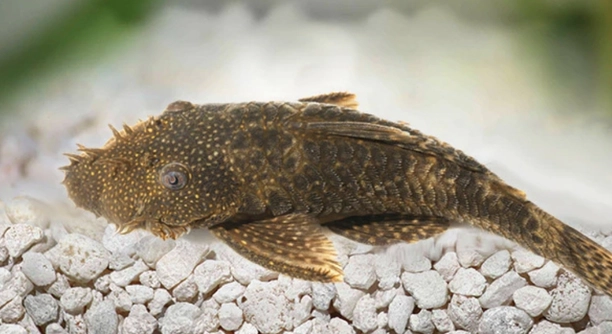
Sometimes, you may notice that your pleco fish looks pale for no obvious reason. This can be concerning, especially if you’re not sure what’s causing the change. Understanding why this happens is important for your fish’s health.
The most common reason your pleco looks pale is stress or an underlying health issue, such as poor water conditions or disease. When a pleco becomes stressed, its color may fade, signaling discomfort or the need for environmental adjustments.
Understanding the causes behind your pleco’s pale appearance is crucial to keeping it healthy and thriving. By making small changes, you can help restore its vibrant color.
Stress from Poor Water Conditions
Your pleco’s color fading can be a sign of stress caused by poor water quality. These fish are sensitive to changes in their environment. If your tank’s water is too warm, cold, or has high levels of ammonia or nitrate, it can make your pleco uncomfortable. When this happens, your pleco may look pale and sluggish.
Check your tank’s water regularly to make sure the levels are stable. Keep the pH, temperature, and hardness in the recommended range for plecos. Regular water changes are also important in maintaining a clean and healthy environment. Stress from poor water conditions should not be ignored, as it can lead to more severe health issues.
If you notice your pleco looking pale, it’s a sign that something is off with the water. Test the water to rule out high ammonia, nitrites, or an imbalanced pH. Your pleco needs a safe, stable environment to thrive, so keep the water in top condition.
Illness or Parasites
Sometimes, pale coloring on your pleco can be caused by illness or parasites. A stressed fish is more vulnerable to diseases, which can affect its appearance. If your pleco has pale skin along with other symptoms like spots, lesions, or difficulty swimming, it could be a sign of illness. A common problem is a parasitic infection, which can often cause fish to lose their color.
If you suspect illness, it’s best to quarantine your pleco and treat it with appropriate medication. Consult an aquarium professional for advice on identifying the specific problem and the best treatment. Sometimes a simple change in diet or adding a parasite treatment can make a big difference.
Taking swift action will prevent the spread of illness to other tank mates and improve your pleco’s health in the long run. Always keep an eye on any changes in behavior, as they can indicate underlying health problems that need attention.
Poor Diet
A poor diet can lead to your pleco looking pale. These fish need a balanced diet with enough nutrients to stay vibrant. If they don’t get the right food, their health can decline, which may show up in their color. Overfeeding or feeding them the wrong types of food can also affect their appearance.
Plecos require a mix of algae-based food, vegetables like zucchini, and occasional protein sources. Avoid relying only on sinking pellets, as they may lack the variety your fish needs. Make sure to adjust their diet based on the species and size of your pleco. A balanced diet will ensure your fish stays colorful and healthy.
If your pleco is pale, start by adjusting its diet. Include a variety of foods, focusing on fresh vegetables and algae wafers. If you’re unsure of the best diet for your pleco, consult a fish care guide or aquarium specialist to help tailor the meals to its needs.
Temperature Fluctuations
Plecos are sensitive to temperature changes in their tank. If the water is too cold or fluctuates too much, they can become stressed, leading to a pale appearance. Plecos thrive in warmer water, so maintaining a stable temperature is key to their well-being.
Make sure to use a reliable aquarium heater and thermometer to keep the water temperature consistent. Aim for a range of 72°F to 78°F, as this is optimal for most plecos. Any significant fluctuations above or below this range can stress them out and lead to a pale, unhealthy look.
Sudden temperature changes can affect your pleco’s metabolism, making it harder for them to digest food or absorb nutrients properly. A stable environment will help your pleco stay active and colorful. It’s also a good idea to avoid placing the tank in areas with drafts or direct sunlight, as these can cause unexpected temperature shifts.
Inadequate Tank Size
An overcrowded tank can cause stress for your pleco, leading to pale coloration. Plecos need plenty of space to swim and explore. If the tank is too small, they will struggle to find a suitable territory and may show signs of stress.
The minimum tank size for a pleco is around 75 gallons, depending on the species. Larger plecos require even bigger tanks to thrive. Ensuring there’s enough space will not only help your fish stay healthy but will also prevent territorial disputes with other fish. A cramped environment can make your pleco anxious and lead to pale skin.
If your pleco is showing signs of stress and pale color, it’s time to reassess its living space. Consider upgrading to a larger tank if needed. This will allow your pleco to move freely and stay healthy, with more opportunities to establish a comfortable territory.
Overexposure to Light
Plecos are sensitive to excessive light. While some lighting is necessary, too much can cause stress and a lack of color. Constant bright light in the tank can make your pleco feel uncomfortable, leading to pale, washed-out skin.
Keep the tank light on for around 8-10 hours a day, mimicking natural day and night cycles. Ensure there are places in the tank for your pleco to hide and retreat from the light when it needs rest. A balance of light and dark is essential for your fish’s well-being.
By controlling the light exposure in the tank, you can prevent stress and help your pleco maintain its natural color. If necessary, invest in a timer to regulate lighting, and ensure there are shaded areas where your pleco can relax.
FAQ
Why does my pleco look pale in the morning?
Sometimes, plecos may appear pale in the morning due to low light levels or a drop in water temperature overnight. They tend to regain their color once the tank light is on and the water warms up. It’s a normal response to environmental changes, but if the pale appearance persists throughout the day, other factors like stress or poor water quality may be at play.
How can I fix my pleco’s pale color?
To restore your pleco’s color, start by addressing the tank’s water conditions. Test the water for ammonia, nitrites, and pH imbalances. Perform a partial water change if necessary, and ensure the temperature is in the appropriate range for your pleco. Also, check the tank’s lighting and adjust feeding habits to ensure your pleco gets a balanced diet.
Is it normal for a pleco to be pale during breeding season?
Yes, during breeding season, some plecos may appear paler as they go through physical changes. They could experience changes in their skin color due to hormonal fluctuations. If the pale color is only temporary and there are no signs of illness or distress, it’s likely part of the breeding process.
Can stress cause permanent color loss in plecos?
Long-term stress can lead to permanent color changes in plecos if the underlying issues aren’t addressed. Chronic stress from factors like overcrowding, poor water conditions, or incompatible tank mates can weaken your pleco’s immune system. Over time, this can cause a permanent fading of color, which might be irreversible without proper care and tank management.
Do plecos need more light to maintain color?
While light is necessary, plecos don’t need constant exposure to bright lights. Too much light can stress them out and cause fading. A 10-12 hour light cycle is usually enough, with some areas in the tank providing shade where they can hide or rest. Make sure to balance the light levels to avoid stressing your fish.
Can a pleco’s pale color be a sign of a disease?
Yes, a pale pleco can be a sign of illness. Diseases like ich, bacterial infections, or parasitic infestations can cause your pleco’s color to fade. If your pleco has other symptoms such as spots, lesions, or erratic swimming behavior, it’s important to isolate the fish and treat it with the appropriate medication as soon as possible.
Should I feed my pleco differently if it looks pale?
Yes, adjusting your pleco’s diet can help restore its color. Ensure it’s getting a variety of foods, including algae-based wafers, vegetables like zucchini, and occasional protein sources. A lack of proper nutrition can result in a dull appearance. Stick to a balanced diet tailored to your pleco’s specific species and needs.
Is it okay for plecos to eat vegetables like cucumber or spinach?
Yes, plecos can eat vegetables like cucumber and spinach. These veggies provide essential nutrients that support your pleco’s health. However, always make sure to wash the vegetables thoroughly and remove any seeds or tough parts. Offering a variety of vegetables, along with their regular food, will help your pleco maintain its vibrant colors.
What are the best water conditions for a pleco to thrive?
Plecos prefer water temperatures between 72°F and 78°F, a pH range of 6.5 to 7.5, and a moderate hardness level. Make sure to test your water regularly and perform partial water changes as needed to maintain a clean and stable environment. Clean water conditions are crucial for your pleco’s overall health and appearance.
Can overfeeding cause my pleco to look pale?
Yes, overfeeding can cause your pleco to look pale. When plecos are overfed, excess food can pollute the tank and result in poor water quality, leading to stress. Additionally, a pleco’s digestive system may struggle with too much food, which can affect its overall health. Feed your pleco the appropriate amount of food based on its size and needs.
Does the tank’s filtration affect the pleco’s color?
Yes, poor filtration can lead to dirty water, which can stress your pleco and cause it to appear pale. A good filtration system ensures that the water stays clean, which reduces the risk of harmful bacteria or toxins. If your pleco’s color is fading, check the filter to ensure it’s working properly and change the filter media regularly.
Can plecos recover their color after becoming pale?
In most cases, plecos can regain their color once the underlying issue is addressed. If the cause of the pale coloration is poor water conditions, stress, or diet, improving these factors will usually help your pleco recover. However, if the pale color is due to an illness or disease, proper treatment will be necessary to restore its health and color.
Why is my pleco pale after moving it to a new tank?
Relocating your pleco to a new tank can cause temporary stress, which can lead to paleness. The change in environment, including unfamiliar water conditions, lighting, and tank mates, may cause your pleco to feel insecure. Give your pleco time to adjust, and make sure the new tank’s water parameters are ideal. If the paleness continues, check for other potential stressors or health issues.
Does the type of pleco affect how pale it gets?
Different species of plecos can have varying color patterns and tolerances. Some plecos, like the common pleco, may naturally appear paler, while others, like the bristlenose pleco, tend to maintain more vibrant colors. The degree of paleness depends on genetics, diet, and environment. Always ensure the environment matches the specific needs of your pleco species.
Final Thoughts
A pale pleco doesn’t always indicate a serious problem, but it’s important to pay attention to the signs your fish is giving you. The color change is often a result of environmental stress, such as poor water quality, incorrect temperature, or insufficient diet. Addressing these issues promptly can usually bring your pleco’s color back to normal. Regular water testing, proper feeding, and maintaining the right conditions in your tank are the first steps to ensuring your pleco remains healthy and vibrant.
If your pleco continues to look pale despite improving the water quality and environment, it could be a sign of an underlying health issue, like a disease or parasite. In this case, you may need to take extra steps, such as isolating the fish, treating it with medication, or seeking advice from an aquarium specialist. A pale pleco can sometimes be the result of stress from changes in the tank, such as overcrowding or incompatible tank mates. In such situations, re-evaluating the tank setup and making adjustments will help restore balance and calm to your pleco.
In the end, understanding why your pleco looks pale and what to do about it is key to keeping your fish healthy. Remember that it’s normal for plecos to experience color changes from time to time, but persistent paleness should not be ignored. By monitoring your tank closely and making the necessary changes, you can ensure your pleco remains a happy, colorful addition to your aquarium.

Hello,
If you enjoy the content that we create, please consider saying a "Thank You!" by leaving a tip.
Every little bit helps us continue crafting quality advice that supports the health, happiness, and well-being of pets around the world, for pets of all shapes, sizes, and species.
We really appreciate the kindness and support that you show us!