
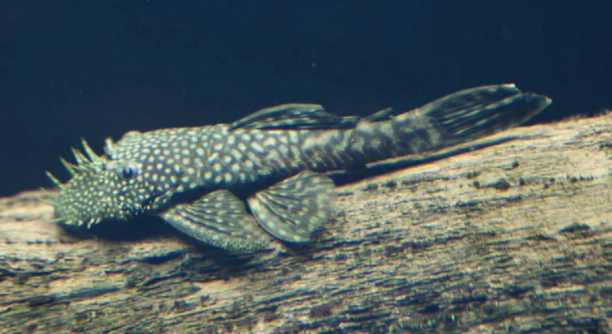
Some aquarium owners may be surprised to learn that certain sounds can disturb their plecos. These fish, while calm and gentle, are sensitive to their environment. Understanding how noise affects them is key to creating a peaceful space.
Plecos are known to be sensitive to high-pitched or loud sounds, which can cause stress and anxiety. Disturbing noises, such as tapping on the tank or sudden loud noises, can negatively impact their health and behavior.
Knowing which sounds to avoid can help you create a comfortable space for your pleco. Reducing noise pollution will not only improve their well-being but also ensure a happier and healthier environment for your aquatic friend.
Loud Tapping on the Tank
Loud tapping on the glass tank can be a major disturbance for your pleco. Even though they are bottom dwellers and often keep to themselves, sudden noises can startle them. The vibrations from tapping affect their sensitivity to their surroundings. If you’re trying to get their attention or just having fun, it’s best to avoid tapping or banging on the glass. This can create unnecessary stress, and it’s hard for your pleco to feel safe with these disruptions. The noise can also interfere with their natural behavior, causing them to hide more often.
Plecos, like many other fish, rely on their surroundings for safety. With loud tapping, they may feel threatened, affecting their eating habits and overall health.
When setting up your aquarium or enjoying time with your pleco, try to maintain a quiet environment. Your pleco thrives in a calm atmosphere. Simple practices like being mindful of noise can ensure a better life for your pleco. Gentle interactions, such as observing from a distance or using soft sounds, are more suitable for these sensitive creatures.
Loud Music or TV Sounds
Loud music or TV sounds can be unsettling for your pleco. The vibrations and noise from the speakers might make them feel uneasy. Fish, including plecos, are very sensitive to sound frequencies, and loud noises can make them stressed or agitated. Keeping the volume low will help maintain a peaceful atmosphere in the aquarium.
Plecos thrive in calm and quiet environments. If your tank is placed near a TV or speakers, consider lowering the volume when you’re not actively engaging with the tank. This will avoid unwanted stress from sound frequencies they can pick up. A quiet space promotes relaxation for your pleco.
It’s important to keep your pleco’s environment as tranquil as possible. While some background noise is unavoidable, it’s essential to be mindful of how loud sounds may affect their well-being. Keeping the area around the tank free of loud noises ensures your pleco remains calm and happy in their habitat.
Clanging Objects or Moving Furniture
Clanging objects or moving furniture creates loud, sudden noises that are distressing for your pleco. Even though they live in water, vibrations from these noises travel quickly through the tank. This can lead to your pleco hiding more often, and in some cases, it can even cause them to become less active.
Any sudden or unexpected noise can startle your pleco. The vibrations from heavy furniture moving or clanging objects can disrupt their peaceful surroundings. This may affect their eating habits, and they might avoid coming out for food. It’s best to make sure that the area around their tank remains undisturbed during these activities.
Setting up your aquarium in a low-traffic area can help avoid these loud disturbances. If you need to move furniture or objects around, it’s better to do so when your pleco is in a quiet part of their tank. Creating a consistent, peaceful environment ensures your pleco is comfortable and less stressed.
Talking or Yelling Near the Tank
Talking or yelling near your pleco’s tank can disturb their peaceful environment. Fish, including plecos, are sensitive to sound, and even normal conversations can be unsettling if they are too loud. Avoid shouting or speaking loudly close to the tank to prevent unnecessary stress.
While plecos might not understand words, the tone and volume of your voice can still affect them. If you need to talk near the tank, try to keep your voice calm and at a lower volume. This will help your pleco feel less threatened and maintain a more relaxed state.
Pets Running Around or Barking
Pets running around or barking near the aquarium can create loud noises that frighten your pleco. Fast movement and sudden noises are stressful for these fish, making them hide or become overly cautious. Keeping your pets calm around the tank will help reduce stress for your pleco.
The sound of barking or the vibrations from running can cause unease for your pleco. It’s important to maintain a quiet environment and ensure pets aren’t overly excited near the aquarium. By limiting disruptions from other animals, your pleco can enjoy a more peaceful atmosphere.
Vibrations from Tank Equipment
The vibrations from tank equipment like pumps, filters, or air stones can disturb your pleco. While these devices are necessary for maintaining a healthy aquarium, the vibrations they create might be felt by the fish. Keeping the tank equipment well-maintained and quiet can help reduce disturbances.
FAQ
Can plecos hear sound?
Yes, plecos can hear sound, but they don’t hear it the same way humans do. Fish have specialized structures in their inner ears that allow them to sense vibrations in the water. While plecos don’t have eardrums like humans, they can pick up on vibrations from noises in their environment. Loud or sudden noises, including those from tapping or loud conversations, can cause stress and anxiety for them.
How does noise affect plecos?
Noise affects plecos by causing stress and disrupting their natural behaviors. These fish rely on a calm and quiet environment to feel safe. When exposed to loud sounds, such as music or sudden movements, they may become startled, hiding more often or avoiding food. Chronic stress from constant noise can even lead to health problems for your pleco, including a weakened immune system and reduced life expectancy.
Are certain sounds worse than others for plecos?
Yes, some sounds are more disturbing for plecos than others. High-pitched noises, such as the sound of tapping on the tank glass, tend to be more stressful. Sounds from loudspeakers, such as music or TV noise, can also create vibrations that travel through the water and stress the fish. Sudden, sharp noises, like clanging objects, are particularly alarming. Keeping noise levels low and consistent helps ensure that your pleco stays relaxed.
How can I reduce noise for my pleco?
To reduce noise for your pleco, avoid tapping on the tank glass and minimize loud sounds around the aquarium. Try to place the tank in a quieter area of the room, away from speakers or sources of loud noise. Keep your home’s noise level low, especially when your pleco is active or feeding. If you need to make adjustments around the tank, do so slowly to minimize vibrations. Simple changes in your environment can make a significant difference in your pleco’s comfort.
Can plecos tolerate high-pitched sounds?
Plecos, like many other fish, are sensitive to high-pitched sounds. These sounds can cause discomfort or stress for them. Even though plecos can’t hear sounds the way humans do, they can still pick up on vibrations from high-pitched noises. Prolonged exposure to such sounds can lead to anxiety and affect their well-being. It’s important to keep the volume of any high-pitched noise around the aquarium as low as possible to avoid disturbing your pleco.
Do plecos respond to talking or yelling?
Plecos do respond to talking or yelling, but it’s the volume and tone of the sound that affects them. While they can’t understand human speech, the vibrations from a loud voice or shouting can startle them. This can cause them to retreat to darker areas of the tank and avoid coming out. It’s best to keep your voice calm and quiet when near the aquarium to maintain a peaceful atmosphere for your pleco.
Is it okay to play music near my pleco’s tank?
It’s okay to play music near your pleco’s tank, but the volume should be kept low. Loud music, especially with high-pitched frequencies, can create vibrations in the water that stress out your pleco. While some background noise is fine, you should avoid playing music at high volumes for extended periods, as it can cause anxiety and disrupt their feeding and resting habits.
Does vibration from equipment affect plecos?
Yes, the vibrations from aquarium equipment, such as filters, pumps, and air stones, can affect your pleco. While these vibrations are generally not as disturbing as loud external sounds, they can still be felt by your pleco. Keeping equipment in good condition and minimizing any unnecessary noise or vibration can help reduce stress for your pleco. If the vibrations are excessive, consider adjusting the position of the equipment to make sure it doesn’t disturb your fish.
How can I tell if my pleco is stressed from noise?
If your pleco is stressed from noise, you might notice several signs. These can include hiding more than usual, reduced activity levels, loss of appetite, or erratic swimming. Stress can also make plecos more susceptible to diseases, so it’s important to monitor their behavior. If you observe these signs, consider reducing noise around their tank and ensuring their environment is calm. Over time, you should see improvement as your pleco adjusts to a quieter space.
Can I use a quiet filter or pump for my pleco’s tank?
Yes, there are quieter filters and pumps available that can reduce vibrations and noise in your pleco’s tank. Investing in quieter equipment can help create a more peaceful environment for your fish. Look for models specifically designed to operate quietly. Maintaining the filter and pump properly can also help ensure they run smoothly and quietly, further reducing any unnecessary disturbance.
Final Thoughts
Maintaining a peaceful environment for your pleco is essential for their overall well-being. While they are resilient creatures, plecos are sensitive to certain sounds and vibrations. Loud noises, like tapping on the tank or sudden music, can cause them stress and disrupt their natural behavior. Plecos rely on a calm space to thrive, so keeping their environment quiet and relaxed will ensure they feel secure and comfortable in their aquarium. Small changes, like adjusting the volume of the music or placing the tank in a quieter area, can make a significant difference.
It’s important to be mindful of how our actions can impact the aquatic life we care for. Many owners don’t realize how sensitive plecos can be to the smallest disturbances. By avoiding loud noises and vibrations, you help reduce stress and promote a healthier, happier life for your pleco. Their behavior can give you clues about their comfort level. If you notice your pleco hiding more often or being less active, it could be a sign that they are feeling disturbed by the sounds around them. In these cases, adjusting the noise levels around the tank can help them feel more at ease.
Ultimately, creating a peaceful environment for your pleco is a simple yet important step in providing the best care. A calm tank leads to a happier, healthier pleco, and you’ll be able to enjoy observing their natural behaviors without interruptions. The key is to be aware of the sounds and vibrations in the area surrounding your tank. By keeping these in check, you can help ensure that your pleco remains relaxed and free from stress, allowing them to live their best life in your aquarium.

Hello,
If you enjoy the content that we create, please consider saying a "Thank You!" by leaving a tip.
Every little bit helps us continue crafting quality advice that supports the health, happiness, and well-being of pets around the world, for pets of all shapes, sizes, and species.
We really appreciate the kindness and support that you show us!