
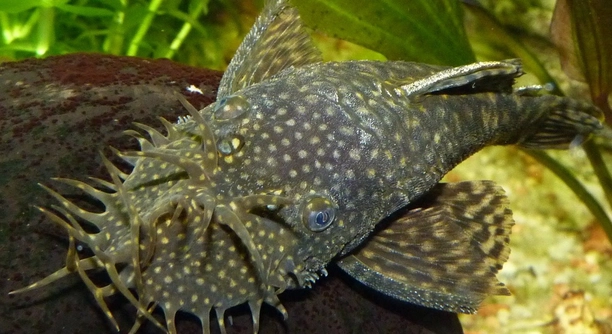
Is your pleco acting less lively or ignoring the food you offer each day? These small changes might seem normal at first.
The main reason it’s time to change pleco food is due to nutritional imbalance or spoilage. Over time, even high-quality foods can lose freshness or fail to meet your pleco’s evolving dietary needs, impacting overall health.
Learning to recognize the subtle signs can help you make better choices for your pleco’s care and feeding routine.
Uneaten Food Sits in the Tank
Plecos usually eat right away when they’re hungry. If you notice food sinking to the bottom and staying there, that’s often a sign they aren’t interested. This can happen when the food no longer appeals to them or doesn’t match their current needs. As plecos grow, their dietary requirements shift. A young pleco may enjoy one type of algae wafer, but an adult may need more variety or specific nutrients. Water quality also plays a part. Leftover food can decay, release toxins, and stress your fish. If uneaten food becomes a pattern, it’s time to try something new.
This isn’t just about waste—it affects the water and your pleco’s comfort. Changing food can reduce mess and improve your tank’s health.
Look for foods with fresh, natural ingredients and avoid anything that seems stale or too hard. Rotate between a few types to keep feeding time interesting.
Color Starts to Fade
Faded color can mean your pleco isn’t getting the right nutrients. A healthy diet supports vibrant skin and natural markings.
Many foods lose their vitamin content over time. If your pleco’s food has been sitting on the shelf for months, it might not be offering much anymore. Ingredients like spirulina and fresh vegetables help boost color, especially in species with gold, orange, or deep brown tones. Some commercial pleco foods are designed to support color, but they only work when kept sealed and used before their best-by date. If your pleco used to look brighter, switching to a better-quality or fresher food might help. Combine that with stable tank conditions and you’ll often see improvements in just a few weeks.
Sudden Decrease in Activity
A sudden change in energy levels can be linked to poor nutrition. When plecos don’t get the right food, they may become sluggish and less responsive, especially during feeding time. This can lead to long-term health problems if not corrected quickly.
Plecos are naturally more active at night, but even during the day, you should see some movement or response to disturbances. If they’re hiding constantly or not reacting to feeding, check the food first. Older or low-quality pellets might not meet their current energy needs. Look for options that list plant matter and protein near the top of the ingredients. Foods that contain fresh vegetables, algae, or shrimp meal can help. Rotate meals or add fresh veggies like cucumber to their diet. These small changes often encourage movement and support better digestion and overall energy.
Improving nutrition can increase alertness within a few days. Once your pleco is eating well again, you’ll likely notice more activity, especially during its normal hours. Be patient, and don’t add too much new food at once—ease into it to avoid stress or waste. Consistency is key. Try feeding at the same time each day and watch for changes in how quickly food disappears. Healthy feeding habits help bring back normal behavior.
Belly Looks Sunken
A sunken belly is often a sign of poor diet or illness. If your pleco isn’t eating enough or getting the right nutrients, its body will show signs like weight loss or muscle thinning.
This condition usually happens when the pleco has been refusing food or the food lacks substance. Foods that are too hard or not designed for bottom feeders often get ignored, leading to slow starvation. A balanced diet with fiber, protein, and plant matter is important. Offering fresh zucchini or blanched spinach along with soft, sinking pellets can help. Make sure food reaches them and doesn’t get eaten by other fish first. Monitor the belly closely. If it doesn’t improve after a week of better feeding, there may be another issue worth checking. Sometimes, internal parasites can cause similar signs, so it’s worth observing their waste and behavior as well. But most often, it starts with the food.
Waste Becomes Less Frequent
A healthy pleco produces waste regularly, especially when eating well. If you notice less waste in the tank, it could mean your pleco isn’t eating enough or the food isn’t digesting properly.
Some foods are too dense or low in fiber, making digestion harder. This can lead to blockages or reduced appetite.
Tankmates Eat It First
If your pleco’s food is always getting eaten by faster tankmates, it’s time to make a change. Try feeding after lights out or using sinking wafers placed near the pleco’s usual spot. Night feeding gives them a better chance to eat undisturbed.
Algae Alone Isn’t Enough
Algae in the tank may offer a little nutrition, but it isn’t a full diet. Plecos need a balanced mix of foods to stay healthy. Supplement algae with fresh vegetables, high-quality wafers, or protein-rich options depending on the species.
FAQ
How do I know if my pleco is not eating the right food?
If your pleco is ignoring food or leaving it uneaten in the tank, it’s a clear sign that something isn’t quite right. Plecos are bottom feeders, so they tend to be more selective about the food they consume. If they aren’t eating, the food might not appeal to them or it could be too old. Try offering fresh veggies like cucumber or zucchini, and see if they show more interest. If they continue to avoid food, it could also indicate health issues.
Can I feed my pleco algae wafers all the time?
Algae wafers are a popular food for plecos, but feeding them exclusively isn’t ideal. Plecos require variety to stay healthy. While algae wafers provide essential nutrients, they lack some of the variety and protein that your pleco may need. A balanced diet that includes fresh vegetables, high-quality pellets, and occasional protein sources like shrimp or fish flakes will provide your pleco with the nutrition it needs.
How often should I change pleco food?
Changing your pleco’s food depends on its age and health. Generally, you should change their food every few months to ensure freshness. Plecos, like all fish, benefit from variety. You can rotate foods every week, offering different types to keep your pleco interested. As they grow, their nutritional needs will shift, so it’s important to provide foods that align with their life stage.
Can I feed my pleco fruits?
Some plecos will eat fruits, but you should limit how much you feed them. Fruits like apples or melons can provide extra vitamins, but too much sugar can upset your pleco’s digestive system. Introduce fruits in moderation, and make sure they are cut into small pieces to avoid rotting in the tank. Focus on more fiber-rich options like leafy greens and vegetables.
What if my pleco refuses to eat for several days?
If your pleco refuses to eat for more than a few days, it might be dealing with stress, illness, or poor water quality. First, check your tank’s water parameters (temperature, pH, ammonia, nitrites). Stressors like poor water quality, aggressive tankmates, or changes in the environment can cause a loss of appetite. If the issue persists, consult a vet to rule out illness.
How do I know if the food I’m giving my pleco is fresh?
Fresh food is essential for your pleco’s health. Check the expiration date on packaged food and avoid anything that looks or smells stale. If you’re feeding frozen or fresh vegetables, ensure they’re stored properly and haven’t spoiled. Dry foods, like pellets or wafers, should be kept in airtight containers in a cool, dry place. Always inspect for any signs of mold, discoloration, or off smells.
What is the best food for a pleco?
The best food for your pleco includes a mix of algae wafers, fresh vegetables, and high-quality pellets. Plecos are omnivores and need a variety of plant matter, protein, and fiber to thrive. You can offer vegetables like zucchini, cucumber, spinach, and peas, as well as protein sources like shrimp or worms. Look for foods designed specifically for plecos, as they tend to have the correct nutrient balance.
Should I feed my pleco at the same time every day?
Yes, consistency is key. Feeding your pleco at the same time every day helps establish a routine. It’s easier for your pleco to adjust to a predictable feeding schedule, and it also allows you to monitor if they’re eating or if any leftover food is going uneaten. The best times are in the evening, as plecos are nocturnal and will be more active at night.
What happens if I overfeed my pleco?
Overfeeding can cause a number of issues for your pleco. Excess food can quickly pollute the tank, leading to poor water quality and potential health problems. Plecos are often overfed due to their slow eating habits, and uneaten food can decay and release toxins. Feed small amounts at regular intervals and remove any leftovers to prevent water contamination.
Is it necessary to vary my pleco’s food?
Yes, variety is crucial for your pleco’s health. Just like any pet, your pleco needs a balanced diet to thrive. Offering a range of foods helps ensure they’re getting all the necessary nutrients. By mixing vegetables, protein, and algae-based foods, you can support your pleco’s overall well-being and prevent boredom.
Final Thoughts
Taking care of your pleco’s diet is important for its overall health and well-being. Like all fish, plecos need a balanced diet to thrive, and their food choices should reflect their age, size, and specific nutritional needs. While plecos can eat algae, it’s crucial to provide more variety, including fresh vegetables, algae wafers, and protein-rich foods. This will help maintain a healthy digestive system, vibrant colors, and plenty of energy for your pleco. Regularly changing the types of food you offer is also key to keeping your pleco interested and avoiding boredom.
It’s also important to remember that the condition of the food is just as significant as the type. If the food is old, stale, or not stored properly, it won’t be beneficial for your pleco. Always check expiration dates and store dry food in a cool, dry place. Fresh vegetables should be cleaned thoroughly, and any uneaten food should be removed from the tank to prevent water contamination. Keeping track of how much your pleco eats can help you avoid overfeeding, which can lead to poor water quality and other health issues. By monitoring their eating habits and adjusting their diet when necessary, you can ensure your pleco stays healthy and happy.
Lastly, if you notice any changes in your pleco’s behavior, appearance, or appetite, it’s important to assess their food first. A loss of appetite or a decrease in activity could indicate that their diet is lacking in some way. This might mean switching to a different food or adding more variety. But, if the issues persist, consider checking the water quality and other potential stress factors in the tank. A healthy, well-fed pleco is an active and vibrant pleco, so by paying attention to their food and environment, you can enjoy watching them thrive in your tank.

Hello,
If you enjoy the content that we create, please consider saying a "Thank You!" by leaving a tip.
Every little bit helps us continue crafting quality advice that supports the health, happiness, and well-being of pets around the world, for pets of all shapes, sizes, and species.
We really appreciate the kindness and support that you show us!