
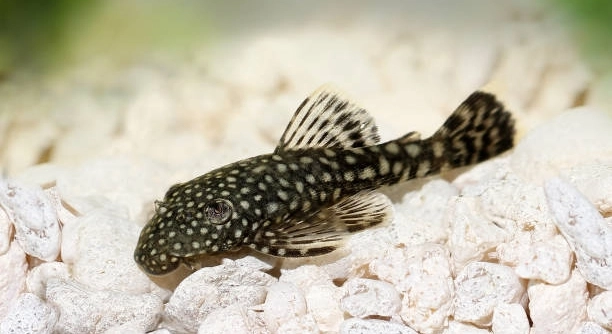
Do you ever find yourself setting up your aquarium and wondering if the lighting might be bothering your plecos more than helping them?
Plecos generally dislike bright white light due to their nocturnal nature and preference for dim, shadowed environments. Prolonged exposure to intense lighting can cause stress, reduce their activity, and lead to hiding behavior.
Understanding how lighting affects your pleco’s comfort can help you create a more peaceful and healthy habitat for them.
Why Bright Light Can Be a Problem for Plecos
Plecos are nocturnal fish, which means they are naturally more active at night and prefer low light settings. In the wild, they often hide under logs, rocks, or shaded riverbeds during the day. Bright white light in an aquarium can be overwhelming for them, making them uncomfortable and pushing them to stay hidden. This means you might rarely see your pleco out in the open if your tank lighting is too strong. Over time, exposure to bright light can lead to increased stress, which may affect their health and behavior. They may become more sluggish, refuse to eat, or show signs of stress like color fading or erratic movement. While light is important for plants and other fish in your tank, it’s essential to strike a balance that supports everyone’s needs, especially more light-sensitive species like plecos.
Plecos often prefer tanks with plenty of shade and low-light areas to feel safe and relaxed.
Adding caves, driftwood, or floating plants can help soften bright light and give your pleco more places to retreat.
Choosing the Right Lighting Setup
Many plecos will do better in tanks with dimmer lighting or shorter periods of full brightness.
If your aquarium has strong lighting for the benefit of live plants or other fish, you can still create a comfortable setup for your pleco. Start by using floating plants like water lettuce or frogbit to filter and diffuse the light entering the tank. You can also arrange hardscape decorations such as caves, driftwood, and rocks to create shaded zones. Consider placing the tank lights on a timer, limiting the duration of peak brightness to a few hours a day while using softer lighting the rest of the time. This helps maintain a natural cycle without overwhelming your pleco. You might also look into using warmer spectrum LEDs, which are typically less harsh than cool white bulbs. A good setup supports plant growth and keeps your pleco comfortable, giving them space to hide and come out when they feel safe.
Signs Your Pleco Might Be Stressed from Light
A pleco that hides constantly, even during feeding times, may be reacting to lighting that’s too harsh. Excessive hiding can be one of the first signs that something in the tank isn’t right for them.
Other signs include dull or faded coloration, lack of appetite, or sluggish movement during their usual active periods. If your pleco isn’t exploring at night or seems to stay glued to the same hiding spot, the light might be too intense. Some plecos might also show faster gill movement, which can signal stress. Observing these behaviors over time can help you figure out if your lighting setup needs adjustment. You don’t need to eliminate light completely, just create an environment that lets them feel secure. Darker corners and dim lighting during the day often encourage more natural behavior and help your pleco feel at ease in the tank.
When light stress continues over time, it can affect your pleco’s health. Long-term stress weakens their immune system, which can lead to disease or infection. They may also become less active and stop eating, which further impacts their well-being. Making lighting adjustments early can prevent these issues and help your pleco thrive in a more natural, relaxed environment.
Best Practices for a Pleco-Friendly Tank
Keeping lighting soft and indirect works best for plecos. Tanks with plants, driftwood, and shaded areas give them the comfort they need. Try placing the lights on a timer and sticking to a routine that mimics natural light cycles. This keeps things calm and predictable for your pleco.
A good pleco setup should include multiple hiding spots spread throughout the tank. Use decorations like stacked rocks, ceramic caves, or large pieces of driftwood to create layers of shelter. This gives your pleco the option to explore or hide without feeling exposed. For lighting, choose full-spectrum lights with adjustable brightness or install a dimmer. You can also add floating plants, which not only reduce light intensity but also provide a more natural look. Be mindful of where your tank is placed—avoid direct sunlight or rooms with strong ambient light. Creating a peaceful tank doesn’t have to be complicated. With the right lighting balance, your pleco will be more active and display healthier behavior over time.
Do All Plecos React the Same Way?
Not all plecos react the same to bright light. Some species, like bristlenose plecos, may tolerate it better than others. Still, most prefer dim settings, and even the more adaptable ones benefit from having shaded areas to retreat to.
Age and size can also play a role. Younger plecos and smaller species may be more sensitive and hide more often under strong light. Larger or older plecos might adapt better but still show signs of stress if there’s not enough cover in the tank.
Adjusting Light Without Changing the Whole Setup
If you already have a bright tank setup, you don’t need to replace everything. Start by adding floating plants to diffuse light naturally. Use decorations to create shade, and consider a background or side panels to block light from outside sources. Small changes can make a big difference for your pleco.
Final Thoughts on Lighting and Plecos
Creating the right lighting balance can improve your pleco’s activity and reduce stress. A mix of dim areas and routine light cycles helps keep them comfortable and healthy.
FAQ
Can plecos live in a tank with bright lighting?
Yes, plecos can live in a tank with bright lighting, but they need proper hiding spots to feel safe. Even if the tank is well-lit, adding shaded areas with driftwood, caves, and plants will help your pleco avoid stress. Floating plants like frogbit or water lettuce can reduce the strength of overhead lights. While they may adjust over time, they will usually remain hidden during the day if the lighting is too intense. It’s best to aim for a balance where plants and other fish can thrive, but plecos still have dark, quiet places to rest.
Do plecos need light at all?
Plecos do not require light in the same way plants do. They do not photosynthesize, so their need for lighting is mostly about maintaining a stable day-night rhythm. Total darkness 24/7 is not ideal, but a low-light setup or dim cycle helps regulate their natural behavior. A regular light schedule also makes feeding times more predictable and reduces confusion in their environment. Use soft lighting, or keep lights on a timer to provide consistency. You don’t need to keep the tank dark, but avoid intense brightness for long hours.
Will too much light make my pleco sick?
Too much light won’t directly make your pleco sick, but it can cause stress, which affects their immune system. Stressed plecos might stop eating, hide constantly, or become more vulnerable to illness. If they are exposed to intense lighting every day with no shaded retreat, the stress can become chronic. Over time, this can lead to infections or general poor health. Keeping lighting moderate and offering plenty of cover helps reduce this risk. Watch for signs like erratic movement or dull color—these can mean your pleco is uncomfortable.
What’s the best light schedule for a pleco?
A 10-12 hour light cycle is usually safe for plecos, as long as they have places to hide. Set your aquarium lights on a timer to keep it consistent. Having light during the day and darkness at night mimics a natural rhythm, which helps your pleco stay calm. You can reduce the brightness during part of the cycle if needed, using dimmable LEDs or shaded areas. Avoid leaving lights on around the clock. Too much light exposure can throw off their activity levels and feeding habits.
Do floating plants really help reduce light stress?
Yes, floating plants are a simple and effective way to cut down on harsh lighting. They create natural shade and help diffuse bright beams from overhead lights. Many aquarists notice that their plecos come out more when floating plants are used. Plants like duckweed, water lettuce, and frogbit grow quickly and are easy to manage. They don’t just soften light—they can also improve water quality by absorbing excess nutrients. Just make sure they don’t block too much light if you have live plants below.
Can I use blue or colored lights for my pleco?
Blue or dim red lights can be less stressful than white light and are sometimes used to view nocturnal fish at night. Many plecos will stay more active under blue moonlight settings, especially if the light is subtle. However, even low-colored lights should not stay on constantly. Use them for a short evening period or to observe your pleco without startling them. Avoid strong, colored lights that could affect the natural behavior or rhythm of other fish in the tank.
Should I be worried if my pleco only comes out at night?
No, that’s perfectly normal. Plecos are nocturnal, so they often stay hidden during the day and become active when the lights go off. This behavior doesn’t mean they’re unhappy. However, if they continue hiding even after lights go out or stop feeding at night, it may be a sign of stress or illness. Make sure your tank has quiet, shaded areas and that feeding happens when they’re most likely to be active. Keeping a calm, dim environment will help them feel safe and act naturally.
Final Thoughts
Plecos are peaceful fish that do best in calm and comfortable tank setups. Bright white light can make them feel exposed and stressed, especially if they do not have enough places to hide. These fish are mostly active at night and prefer dim environments during the day. In a tank with strong lighting, they may stay hidden more often and become less active. While they can live in tanks with brighter setups, it is important to give them safe, shaded spots so they feel secure. This can be done with driftwood, rocks, caves, or floating plants. Small changes like these can help your pleco feel more at ease without requiring a full tank makeover.
Observing your pleco’s behavior is the best way to know if the lighting is too harsh. If they rarely leave their hiding place, stop eating, or appear dull in color, the lighting could be a factor. A stressed pleco may also be less active at night, which is usually when they feel the safest. Try adjusting your light schedule or using dimmer lights during part of the day. Floating plants are a simple way to help filter light and create a more natural atmosphere. Most plecos will adapt better if they feel like they have control over when and where to hide. Giving them dark areas and a steady routine can go a long way in supporting their health and comfort.
Lighting is just one part of creating a good tank environment, but it plays an important role in your pleco’s daily life. By keeping the light soft and predictable, your pleco will likely be more active, show more natural behaviors, and stay healthier in the long run. There’s no need to avoid lighting completely—just be mindful of how much light enters the tank and for how long. A balanced setup supports the needs of all your fish, including those that prefer darker spaces. Watching your pleco explore its tank, especially during quiet evening hours, can be rewarding and relaxing. With the right setup, your pleco will feel safe, eat well, and be a calm part of your aquarium.

Hello,
If you enjoy the content that we create, please consider saying a "Thank You!" by leaving a tip.
Every little bit helps us continue crafting quality advice that supports the health, happiness, and well-being of pets around the world, for pets of all shapes, sizes, and species.
We really appreciate the kindness and support that you show us!