
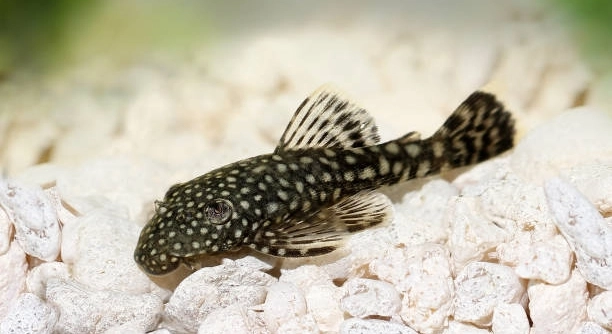
Have you ever set up a tall aquarium and wondered if a pleco would feel at home in such a unique environment? These fish are popular in freshwater tanks, but their needs can vary depending on the tank setup.
Plecos can live in tall aquariums, but the tank must still meet their space, oxygen, and hiding spot requirements. While height is not harmful, floor space is more important for their comfort and natural bottom-dwelling behavior.
Understanding how tank shape impacts pleco health can help you make better decisions for their care and long-term well-being.
Why Tank Shape Matters for Plecos
When setting up a home for your pleco, tank shape can affect how comfortable and healthy it feels. Tall aquariums are not harmful by default, but they often lack the horizontal swimming room that plecos naturally use. These fish are bottom dwellers, and they spend most of their time on the substrate or attached to decorations near the lower part of the tank. A tall tank with limited floor space might restrict their movement and make them feel stressed. Wide tanks with more ground area are typically preferred. Additionally, tall tanks can sometimes offer less efficient oxygen exchange, which can affect fish that prefer well-oxygenated water. Even though plecos are hardy, it’s important to offer them the right environment for long-term health.
Tall aquariums are often designed for vertical swimmers or species that occupy mid to upper levels. Plecos don’t benefit much from the extra height.
If you already have a tall tank and want to keep a pleco, you’ll need to make some adjustments. Start by maximizing the usable floor space with a wide base. Avoid tall, narrow tanks where the bottom area is too tight. You should also ensure strong water circulation to support oxygen levels throughout the tank. Add driftwood, smooth rocks, and hiding spots near the bottom to help the pleco feel secure. Keep in mind that some pleco species grow large, so tank dimensions should reflect the adult size of your fish. Choose a filter that works well in taller tanks, and keep it clean to prevent buildup. With the right setup, a tall tank can still support a healthy pleco—it just takes more planning and regular maintenance.
Choosing the Right Pleco for Tall Tanks
Smaller pleco species are better suited for tall tanks, especially if the bottom area is limited.
Bristlenose plecos are a great choice for tall aquariums with modest floor space. They grow to a manageable size, usually around four to six inches, and are less demanding than larger species. Clown plecos are another compact option, requiring even less room. These smaller species are active and adapt well to different setups as long as the water conditions are stable. Try to avoid larger types like common plecos, which can grow over a foot long and need tanks with wide dimensions. Even smaller plecos benefit from clean water, stable temperatures, and plenty of places to hide. Feeding should be consistent and varied, including algae wafers, vegetables, and protein-based foods. By choosing a pleco species that matches your tank’s shape and size, you’ll create a better living space that supports their health and reduces stress. Regular observation and care will help keep your pleco thriving in a tall aquarium.
Creating a Comfortable Environment
Plecos need more than just water and space—they need structure, shade, and hiding spots to feel safe and behave naturally. A bare tank may leave them stressed, leading to less movement and poor overall health.
Use driftwood, smooth rocks, and large ceramic tubes to build a secure space near the bottom of the tank. Driftwood is especially helpful, as many plecos like to rasp on it, aiding their digestion. Avoid sharp decorations that could injure their soft undersides. Dim lighting can make them more active, especially if they’re nocturnal. Include live plants if your pleco species won’t uproot them, as these help with water quality and provide additional shelter. Keep substrate smooth and easy to clean, like sand or fine gravel. Plecos also benefit from gentle water flow, so position the filter output to avoid strong currents while still circulating the water well across all areas.
Temperature, pH, and cleanliness are also critical. Most plecos thrive in temperatures between 72°F and 82°F, with a pH range of 6.5 to 7.5. Use a reliable heater and check temperature often, especially in taller tanks where heat distribution can vary. Perform weekly water changes of about 25–30% to remove waste and maintain water quality. Use a gravel vacuum to keep the substrate clean, as leftover food and waste can build up in low-flow areas. Keep an eye on ammonia and nitrate levels, and adjust feeding to avoid overloading the tank. These steps create a balanced environment where your pleco feels secure and stays active, even in a tall aquarium setup.
Feeding Considerations for Plecos
Feeding plecos in tall tanks isn’t hard, but it helps to make a few changes so they get proper access to food.
Plecos are bottom feeders, so sinking foods are essential. Choose sinking wafers, blanched vegetables like zucchini, or algae-based pellets that can settle on the substrate. In tall tanks, food can sometimes scatter or get lost in upper levels, especially with strong water flow. Drop food near where the pleco hides or rests, and remove uneaten portions after a few hours. Feed them at night if they’re more active in the dark. Overfeeding can lead to poor water conditions, so monitor your tank closely.
Some plecos need more than algae to stay healthy. For example, bristlenose plecos enjoy vegetables but also need protein, which you can provide with shrimp pellets or occasional bloodworms. Don’t rely on tank algae as their main food source, especially in newer setups. Rotate different food types during the week to make sure they get balanced nutrition. Watch their behavior after feeding—if food is consistently left untouched, you may need to adjust timing or type. It’s also a good idea to track how much they’re eating. This can help you spot early signs of illness or stress and prevent waste from building up. Consistent, thoughtful feeding supports their health and keeps your tank cleaner overall.
Filtration and Water Movement
In a tall tank, water movement is often weaker at the bottom, which can cause waste to settle where plecos live. A strong, adjustable filter helps circulate water evenly and keeps debris from collecting in low areas.
Use sponge filters or pre-filters to prevent food and waste from clogging the system. Regular cleaning is necessary.
Monitoring Behavior and Health
Watch for signs of stress, such as hiding all day, losing color, or refusing food. Plecos should move around during the night and graze regularly on tank surfaces. If behavior changes suddenly, check your water parameters and observe other fish for signs of aggression or crowding.
Tank Mates to Avoid
Avoid aggressive or overly active fish that compete for bottom space or disturb the pleco’s routine. This includes large cichlids, fast barbs, or fin-nippers. Peaceful, mid-level swimmers work best.
FAQ
Can I keep a pleco in a tank with other fish?
Yes, plecos can coexist with many species, but it’s crucial to pick tank mates that won’t disturb them. Avoid overly aggressive fish or those that compete for food in the same area. Smaller peaceful species, such as tetras or guppies, typically work well. However, avoid aggressive bottom dwellers, as they may compete for space and food. Also, keep in mind that plecos are often nocturnal and may be more active when other fish are less active.
What type of substrate is best for plecos?
Plecos thrive best in tanks with fine sand or smooth gravel as substrate. They prefer these because their barbels (whiskers) are sensitive and could be harmed by sharp or rough surfaces. Sand allows them to sift through the bottom without injury. If you opt for gravel, ensure the pieces are smooth and not too large, which could cause scratches or discomfort. Keep the substrate clean and free of debris to avoid water quality issues.
How often should I feed my pleco?
Feed your pleco once or twice a day. It’s important not to overfeed them, as uneaten food can lead to poor water quality. Plecos are bottom feeders, so sinking wafers or algae pellets are best. You can also offer blanched vegetables like zucchini, cucumber, or sweet potato. Monitor the tank after feeding, and remove any leftover food after a few hours to maintain clean water conditions. In general, feed them just enough so they can consume it within a few hours.
Do plecos need special lighting?
Plecos don’t require special lighting, but they do appreciate a low-to-medium light environment. This mimics their natural habitat, which often has filtered or dim light due to plant cover and hiding spaces. Strong light can stress them, especially if they’re used to darker environments. Use a light that’s bright enough to support live plants but not too intense. You can also use natural lighting during the day and dim the tank during the night for a more natural routine.
Do plecos need a filter in their tank?
Yes, plecos need a filter in their tank to ensure proper water quality and oxygenation. Since plecos produce waste that can quickly degrade water conditions, a good filtration system is essential. You can use a sponge filter or a power filter depending on the tank size. Regular maintenance is key—clean the filter every few weeks to ensure it’s working effectively and check for any clogs. Keep in mind that plecos thrive in stable water conditions, so maintaining the filter and monitoring water parameters regularly will help prevent stress or health issues.
Can plecos live in a tank without decorations?
Plecos don’t thrive in bare tanks. They need hiding spots and decorations to feel safe and secure. Without decorations, they may become stressed and inactive. You can provide driftwood, caves, or rocks, where they can hide during the day. Driftwood also helps them wear down their teeth naturally. Plecos often rasp on wood, especially species like bristlenose plecos, which can also help reduce algae growth in the tank. Ensure that any decorations you add are smooth and free of sharp edges to prevent injuries.
Are plecos sensitive to water parameters?
Yes, plecos are sensitive to water parameters, and poor water quality can stress them. Maintain water temperatures between 72°F and 82°F, and keep the pH between 6.5 and 7.5. Regularly test water parameters for ammonia, nitrites, and nitrates, as these can be harmful to plecos in high concentrations. Perform weekly water changes of around 25-30% to keep the water clean and reduce waste buildup. Keep the tank filtered and ensure oxygen circulation is adequate, especially in taller tanks where water movement may be slower.
What are some common health problems for plecos?
Plecos can face several health problems, particularly if water quality is poor. Common issues include fin rot, skin lesions, and swim bladder disease. These problems can be caused by improper water conditions, such as high ammonia or nitrite levels. Another common issue is poor diet, which can lead to malnutrition and weak immune systems. Signs of illness include loss of appetite, unusual swimming behavior, or a change in coloration. If you notice these signs, it’s essential to check the water quality immediately and consult an aquarium professional for advice on treatment.
Can I keep a pleco in a tank with live plants?
Yes, plecos can live in tanks with live plants, but you’ll need to consider their behavior. Some pleco species, particularly larger ones, may uproot plants or disturb them while searching for food. Smaller species like bristlenose plecos are less likely to damage plants and may even help keep algae growth in check. However, make sure to choose plants that are sturdy and can withstand some disturbance. Floating plants or fast-growing species like Java moss are good options. Regular pruning will help maintain a healthy plant environment.
How can I tell if my pleco is stressed?
Stressed plecos may exhibit behaviors like hiding more than usual, refusing to eat, or losing their color. They may also scrape their bodies against objects or display erratic swimming behavior. Stressed plecos can develop skin lesions or show signs of fin rot if the problem persists. Check water parameters if you notice these signs—stress is often caused by poor water quality, aggressive tank mates, or inadequate hiding spots. If the pleco continues to show signs of stress, make adjustments to the tank and monitor them closely.
What’s the lifespan of a pleco?
Plecos can live for many years if properly cared for, with some species reaching up to 15 years or more in a well-maintained tank. Their lifespan depends on factors like tank size, water quality, diet, and tank mates. Ensuring that they have adequate space, clean water, and a balanced diet will help them thrive. Regular monitoring and maintenance of their tank environment can increase their chances of living a long, healthy life. Keep in mind that some species, like common plecos, can grow quite large, and you should provide them with a tank size that reflects their adult size.
Final Thoughts
In conclusion, housing a pleco in a tall aquarium is possible, but it requires thoughtful planning. Tall tanks may not provide the best water movement and can create areas where waste builds up, which could lead to water quality issues. It’s important to consider the water flow in the tank and how your pleco will interact with it. For taller tanks, a powerful filter or a water pump can help maintain water circulation, ensuring a more comfortable environment for the pleco.
Additionally, proper tank setup is essential for the health and well-being of your pleco. Providing enough hiding spots, such as caves or driftwood, is important for their comfort. A pleco needs space to explore and places where it can feel secure, especially since they can be shy and prefer low light. The right substrate, usually fine sand or smooth gravel, ensures that they can move around safely without injury. Regular water changes and monitoring of the water quality also play a key role in preventing health issues.
Ultimately, the success of keeping a pleco in a tall aquarium depends on your commitment to maintaining its environment. With careful attention to the tank’s setup, water quality, and the pleco’s behavior, you can create a suitable home for these fascinating fish. Ensure that you are choosing appropriate tank mates and offering a balanced diet to avoid common health problems. While tall tanks may present some challenges, with the right adjustments, your pleco can thrive in such an environment.

Hello,
If you enjoy the content that we create, please consider saying a "Thank You!" by leaving a tip.
Every little bit helps us continue crafting quality advice that supports the health, happiness, and well-being of pets around the world, for pets of all shapes, sizes, and species.
We really appreciate the kindness and support that you show us!