
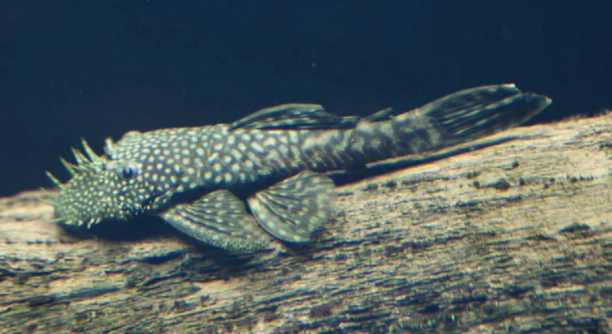
If you have a pleco, you may notice it floating at the surface of your tank. This can be puzzling, especially if it’s not a typical behavior. Understanding why this happens will help you care for your fish better.
The main reason your pleco may be floating at the surface is a swim bladder issue. This organ controls buoyancy, and if it malfunctions, your pleco may struggle to maintain proper depth. Overfeeding, stress, or water quality issues can contribute to this problem.
Understanding what’s causing this behavior will help you provide the right environment for your pleco and ensure it stays healthy.
Possible Causes of Floating Plecos
There are several reasons why your pleco might be floating at the surface. One common cause is a swim bladder disorder. The swim bladder is responsible for controlling the fish’s buoyancy. If it gets damaged or inflamed, your pleco may struggle to stay at the bottom of the tank. Overfeeding can also lead to this problem, as it puts extra pressure on the digestive system, affecting the swim bladder. Another possible cause could be poor water quality, which can lead to stress or even infection. Inadequate filtration, high ammonia levels, or changes in temperature could all contribute to this issue.
If the water conditions aren’t ideal, your pleco may have a hard time maintaining a healthy swim bladder. High levels of toxins or an inconsistent water temperature can weaken its ability to function properly. This makes your pleco more prone to floating.
To prevent this, keep an eye on your tank’s water parameters. Regular water changes, maintaining a stable temperature, and ensuring proper filtration can help avoid these issues.
How to Help Your Floating Pleco
A floating pleco can be troubling, but it’s often manageable. One of the best ways to help is by adjusting the feeding habits. Avoid overfeeding, as it can strain your pleco’s digestive system and worsen the problem. Offering smaller meals more frequently can prevent excessive pressure on the swim bladder. Additionally, check the water parameters regularly. Keeping ammonia and nitrate levels low, while maintaining a consistent temperature, is crucial for your pleco’s health. If you suspect an infection or another medical issue, you may need to quarantine your pleco and consider using medication to address any possible illness.
Swim Bladder Disorder in Plecos
Swim bladder issues are one of the main reasons plecos float at the surface. The swim bladder controls buoyancy, and when it’s not working properly, your pleco can struggle to stay submerged. This condition can be caused by a variety of factors, including injury or infections.
If your pleco has a swim bladder disorder, it may show other symptoms like abnormal swimming, floating sideways, or staying near the surface constantly. The problem often arises from physical damage, inflammation, or a bacterial infection. While it’s harder to prevent swim bladder issues, early treatment is key. A diet that’s easier to digest, such as sinking pellets or blanched vegetables, can sometimes help. Also, a stable environment with clean water is crucial for recovery.
Treatment for swim bladder disorders often involves isolation and a modified diet. If the condition persists or worsens, a visit to a fish vet may be necessary to determine the exact cause and to start the right medication.
Overfeeding and Its Effects
Overfeeding is another issue that can lead to floating in plecos. When plecos eat more than they can digest, the extra food puts pressure on the swim bladder. The fish may then struggle to maintain its position in the water.
This happens because excessive food can cause bloating, which affects buoyancy control. The extra gas from undigested food pushes the pleco to the surface, causing it to float. To avoid this, feed your pleco in moderation and remove uneaten food promptly to prevent it from deteriorating in the tank.
If your pleco continues to float despite adjusting its feeding schedule, consider changing its diet to easily digestible foods, such as algae wafers or vegetables. This may reduce the pressure on the swim bladder and help prevent future issues.
Poor Water Quality and Stress
Poor water quality can lead to stress in your pleco, which may result in floating. High ammonia, nitrite, or nitrate levels affect your fish’s health and cause discomfort. This can weaken the swim bladder and make it harder for your pleco to maintain proper buoyancy.
To avoid these problems, it’s essential to regularly test your tank’s water quality. Clean the tank and change the water frequently, especially if you notice cloudy or foul-smelling water. Proper filtration is key, as it helps maintain healthy water conditions for your pleco and other fish.
Temperature Fluctuations
Temperature fluctuations can also cause stress to plecos. Sudden changes in water temperature may affect your pleco’s buoyancy. A consistent temperature range is important to prevent shock, which could lead to swimming issues or floating at the surface.
Investing in a reliable aquarium heater and thermometer helps maintain the proper temperature, ideally between 74-80°F (23-27°C). A steady environment ensures your pleco remains healthy and avoids unnecessary stress or behavior changes.
FAQ
Why is my pleco swimming sideways or upside down?
If your pleco is swimming sideways or upside down, it could indicate a severe issue with its swim bladder. This condition often occurs when the swim bladder gets damaged, inflamed, or infected. It might also be a sign of poor water quality or overfeeding. If the problem persists, it’s important to adjust the diet and water parameters. In some cases, a visit to a fish vet may be necessary for diagnosis and treatment.
What can I do if my pleco is floating at the surface?
First, check your water conditions to ensure the levels of ammonia, nitrites, and nitrates are within a safe range. Next, reduce feeding and make sure the food being offered is appropriate for the pleco. Offering smaller portions and a variety of food can help with digestion. In some cases, adding aquarium salt can reduce stress. If these steps don’t resolve the issue, consider isolating the fish in a quarantine tank while monitoring its behavior.
Is it normal for plecos to float at the surface?
Plecos are generally bottom-dwelling fish, so it’s not normal for them to float at the surface unless something is wrong. Floating can be caused by swim bladder issues, poor water quality, or stress. Keep a close eye on your pleco and its environment to identify the root cause of the problem.
How do I prevent my pleco from floating?
Prevention involves maintaining a stable and clean environment. Regular water changes, proper filtration, and testing the water parameters will help avoid stress and keep your pleco healthy. Additionally, avoid overfeeding your pleco, as this can cause bloating and swim bladder issues. Offering a balanced diet with sinking food is important for digestive health.
Can a pleco recover from swim bladder disorder?
Yes, plecos can recover from swim bladder disorders, but it depends on the severity of the issue. Minor cases caused by overfeeding or temporary stress may resolve with changes to diet and water conditions. More serious cases might require medication or special care. It’s important to act quickly to avoid permanent damage.
How often should I feed my pleco to avoid floatation problems?
Feeding your pleco 2-3 times a week is usually enough. Offer small amounts of food that it can finish in a few minutes. This prevents overeating and helps avoid excessive pressure on the swim bladder. Overfeeding, particularly with high-protein foods, can lead to digestive issues and bloating, which could cause your pleco to float.
Can water temperature cause my pleco to float?
Yes, fluctuations in water temperature can cause stress and make your pleco more susceptible to floating. If the temperature is too high or too low, it can affect the function of the swim bladder. Maintaining a consistent temperature range between 74°F and 80°F (23°C – 27°C) is ideal for your pleco.
Should I remove my pleco if it’s floating at the surface?
It’s a good idea to isolate your pleco if it’s floating at the surface, especially if other fish in the tank seem unaffected. Quarantining your pleco allows you to monitor its condition more closely. It also reduces the risk of spreading any potential illness to other fish.
How long can a pleco survive floating at the surface?
If your pleco is floating due to swim bladder issues or stress, it can survive for a while, but it’s not a good sign. Left untreated, the condition could worsen, leading to further health problems. It’s important to address the issue as soon as possible by improving water conditions, adjusting feeding habits, and monitoring its behavior.
Can adding salt to the tank help a floating pleco?
In some cases, adding aquarium salt can help with stress or minor swim bladder issues. It can act as a mild antiseptic and reduce swelling. However, it’s important to use salt carefully and in the correct dosage, as excessive salt can harm your pleco and other tank inhabitants.
Why does my pleco seem lethargic and float?
Lethargy combined with floating is usually a sign that something is wrong, often due to poor water quality, stress, or a swim bladder disorder. Check your water parameters and make sure your pleco’s environment is stable. If necessary, change the water, and try feeding a more suitable diet.
Can stress cause a pleco to float at the surface?
Yes, stress is a common cause of abnormal behavior in plecos, including floating at the surface. Stress factors such as overcrowding, poor water quality, and aggressive tankmates can cause physical problems like swim bladder dysfunction. Reducing stress by improving the tank setup and keeping tankmates compatible is essential for your pleco’s health.
Is floating at the surface a sign of disease in plecos?
Floating at the surface can be a sign of disease, especially if the fish also displays other symptoms such as rapid breathing, discolored skin, or abnormal swimming. Infections, parasites, or internal issues like constipation can cause floating. A fish vet can help determine if disease is the cause.
How can I tell if my pleco is sick?
Signs that your pleco might be sick include floating at the surface, swimming erratically, hiding more than usual, or showing a lack of appetite. Other symptoms to watch for include pale skin, lesions, or bloating. Any unusual behavior warrants a closer look at the water conditions and potential treatments.
Can plecos float due to water changes?
Yes, sudden water changes can stress plecos and cause floating. Rapid shifts in pH, temperature, or hardness can negatively affect your pleco’s health and make it more prone to buoyancy problems. When performing water changes, do it gradually to prevent stressing your fish.
What is the best food to prevent floatation issues in plecos?
The best food for plecos includes sinking pellets, algae wafers, and blanched vegetables like zucchini. These foods are easy to digest and reduce the risk of bloating and swim bladder issues. Avoid overfeeding and stick to foods that provide the right nutrients without causing digestive problems.
How can I tell if my pleco is overfed?
Overfed plecos may show signs of bloating, difficulty swimming, or floating at the surface. You may notice uneaten food in the tank, which is a clear sign that the pleco has been given more than it can consume. It’s important to feed in moderation and remove excess food after feeding.
Does water hardness affect my pleco’s ability to stay submerged?
Water hardness can have an impact on your pleco’s buoyancy. Extremely soft or hard water may cause stress, affecting the swim bladder and leading to floating. Regularly testing your water’s hardness and adjusting it if necessary can help maintain a stable environment for your pleco.
How can I prevent my pleco from being stressed?
To prevent stress, make sure your pleco has a suitable tank environment. This includes a clean tank, stable water parameters, appropriate tankmates, and plenty of hiding spots. Keeping the tank environment consistent and calm will help your pleco thrive and avoid stress-related issues like floating.
Final Thoughts
When it comes to plecos floating at the surface, it’s important to understand the various factors that could be causing the issue. Whether it’s poor water quality, stress, or a swim bladder disorder, the root cause must be addressed to help your pleco recover. Regular water testing, maintaining a clean tank, and ensuring your pleco is not overfed are the first steps in preventing floating. The health of your pleco is directly linked to the conditions of its environment, so keeping everything in balance is key.
If your pleco is floating, don’t panic. While it can be alarming, many cases can be resolved by simply improving the water quality, adjusting the diet, or reducing stress factors in the tank. Swim bladder issues are often treatable with changes to feeding routines or adding aquarium salt. It’s essential to act quickly but calmly. If the problem persists or worsens, isolating your pleco in a quarantine tank and seeking advice from a professional can help ensure it receives the care it needs.
Overall, understanding your pleco’s behavior and maintaining a healthy aquarium environment is crucial to keeping your fish happy and well. Floating at the surface is usually a sign of an underlying problem, but with the right steps, your pleco can return to normal behavior. Be patient and proactive, and your pleco will likely be back to exploring the tank as it should.

Hello,
If you enjoy the content that we create, please consider saying a "Thank You!" by leaving a tip.
Every little bit helps us continue crafting quality advice that supports the health, happiness, and well-being of pets around the world, for pets of all shapes, sizes, and species.
We really appreciate the kindness and support that you show us!