
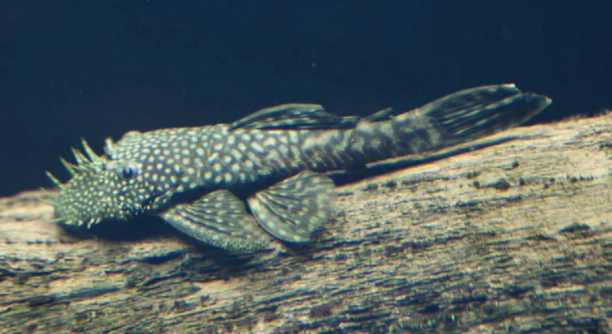
Do you ever find yourself unsure if your tap water is safe for your plecostomus, especially when setting up or refreshing their tank?
Tap water can be used for plecostomus, but it must be properly treated first. Untreated tap water may contain chlorine, chloramine, or heavy metals that can be harmful. Using a water conditioner is essential to make it safe.
Understanding how to prepare your water correctly will help your plecostomus stay healthy and stress-free in their aquatic environment.
Why Tap Water Needs to Be Treated First
Tap water may seem harmless, but it often contains chemicals that can stress or harm plecostomus. Most municipalities use chlorine or chloramine to disinfect the water supply, and while these keep tap water safe for humans, they’re unsafe for fish. Chlorine evaporates over time, but chloramine is more stable and sticks around. Heavy metals like copper can also be present and may irritate or even poison your pleco. The best way to make tap water safe is by using a water conditioner specifically designed for aquariums. These products neutralize harmful substances almost instantly and can also detoxify heavy metals. Some conditioners go a step further and support the slime coat of fish, offering extra protection. Always read the label and dose properly based on your tank’s size. Once treated, tap water becomes a safe and convenient option for regular use in pleco tanks.
Water quality matters more than convenience.
A consistent supply of treated water keeps your plecostomus stress-free, active, and in good condition. Avoiding sudden changes in water chemistry is key. Stick to a routine that includes regular monitoring and maintenance to prevent issues. Even small imbalances can impact their long-term health and comfort in the tank.
Choosing the Right Water Conditioner
Not all water conditioners are the same. Some only remove chlorine, while others neutralize chloramine and detoxify heavy metals. Choose one based on your tap water and the specific needs of your plecostomus.
A good water conditioner makes it much easier to manage your tank and keep your pleco healthy. Multi-purpose conditioners are convenient for beginners and those who want a simple solution. If you know your water contains chloramine, make sure the product states that it neutralizes both chlorine and chloramine. Look for brands that are known for their reliability and don’t overuse additives or unnecessary ingredients. Some conditioners include aloe vera or other soothing agents to reduce stress on fish during water changes. However, it’s important not to rely on conditioners alone. Test your water regularly with a reliable kit to ensure ammonia, nitrite, and nitrate levels remain balanced. Conditioned tap water, when used correctly, is a safe and budget-friendly option for plecostomus care, making daily tank maintenance much easier.
How to Test Your Tap Water Before Use
Testing your tap water is a simple but necessary step before adding it to your plecostomus tank. It helps you catch harmful substances early and adjust treatment based on actual conditions, not just assumptions.
Start with a liquid water test kit, which is more accurate than strips. Check for chlorine, chloramine, ammonia, nitrite, nitrate, pH, and general hardness. These readings give you a clear picture of your tap water’s safety. Even if you always use a conditioner, it’s good to know what you’re dealing with—especially if something seems off in your tank. If chlorine or chloramine levels are high, increase the dosage of conditioner slightly (following instructions). Testing should be done at least once a month, and always after a water change. Some people even keep a log to track changes. Knowing your baseline water parameters makes your tank care smoother and prevents surprises that may harm your pleco.
Consistent monitoring will help you spot trends or problems. Even if everything looks okay on the surface, testing tells you if something needs adjusting. It’s a reliable way to avoid stressing your plecostomus with sudden chemical shifts, especially when you’re topping off or changing large amounts of water at once.
What to Avoid When Using Tap Water
Using untreated tap water is risky. It can introduce chlorine, heavy metals, or unexpected pH levels, which can lead to health problems. Always treat and test your water before adding it to the tank, no matter how clean it looks.
Avoid overusing water conditioners, even if they seem safe. More isn’t always better and can cause imbalances over time. Don’t skip testing just because your fish seem fine—plecostomus are hardy, but that doesn’t mean they thrive in poor conditions. Steer clear of mixing different brands of conditioner unless you’re sure they’re compatible. If you’re storing tap water before use, don’t leave it exposed for too long, as this can affect oxygen levels and temperature. Also, never use hot tap water directly from the faucet to adjust temperature. It may contain higher levels of metals or bacteria from the pipes. Use cold water, treat it, and then warm it safely before adding it to the tank.
How Often to Change Tap Water in the Tank
For plecostomus, a weekly water change of 25–30% is usually best. This helps control waste buildup and keeps water conditions stable. Stick to a routine schedule to avoid sudden changes that could stress your fish.
Always treat new tap water before adding it to the tank. Match the temperature as closely as possible to avoid shocking your plecostomus. Using a bucket and thermometer can make the process easier and more consistent each week.
Signs Your Tap Water May Be Causing Problems
If your plecostomus is hiding more than usual, losing color, or showing labored breathing, something may be off in the water. Tap water that hasn’t been properly treated can irritate gills, impact digestion, and weaken their immune system. Cloudy water, algae blooms, or a strange smell might also suggest something is wrong. Test your parameters right away to rule out chlorine or ammonia. Even if you’ve been using the same water source for a while, occasional shifts in municipal treatment methods can affect what’s coming out of the tap. Keeping a water test kit on hand and observing your pleco’s behavior closely can help you spot trouble before it becomes a serious issue.
What to Use if Tap Water Isn’t Safe
If your tap water is consistently unstable or hard to treat, try using reverse osmosis (RO) water.
FAQ
Can plecostomus survive in untreated tap water?
No, plecostomus should not be kept in untreated tap water. Chlorine and chloramine, commonly found in municipal water supplies, can damage their gills and internal organs. Even if the water looks clean, it can still contain chemicals and metals harmful to your fish. Always use a water conditioner that removes both chlorine and chloramine. Skipping this step can lead to stress, illness, or even death, especially for younger or newly added plecos. If you’ve already added untreated tap water, do a partial water change with treated water immediately to reduce harm.
What is the ideal water temperature for plecostomus?
Plecostomus prefer water temperatures between 74°F and 80°F (23°C to 27°C). Keeping the temperature consistent is more important than aiming for an exact number. Use an aquarium heater with a thermostat to help maintain this range, especially in cooler climates or at night. Sudden shifts in temperature can weaken their immune system, making them more prone to disease. If your home’s temperature fluctuates often, consider using a digital thermometer to monitor the tank more accurately. Don’t use hot tap water directly—heat treated water separately and slowly bring it to tank temperature before adding.
How long should tap water sit before adding to the tank?
If you don’t have a water conditioner, tap water should sit for at least 24 hours to allow chlorine to evaporate. However, this does not remove chloramine, which many municipalities now use. In that case, letting water sit won’t make it safe. Using a water conditioner is the best and most reliable method. If you’re prepping water in buckets, use an air stone to speed up the process and keep oxygen levels stable. Even if letting water sit works for you, test it regularly to ensure it’s actually safe for your pleco.
What pH range is safe for plecostomus?
Plecostomus do best in a pH range of 6.5 to 7.5. They can tolerate slightly wider ranges if the change is gradual and stable. Sudden shifts in pH can cause stress or even lead to shock. Always test your tap water before adding it to the tank, especially if you’ve never checked the pH before. If it’s too far outside the recommended range, consider using a pH buffer or mixing tap water with reverse osmosis water to balance it. A steady pH is more important than aiming for a perfect number.
Can you mix reverse osmosis water with tap water?
Yes, you can mix RO water with tap water to get more stable parameters. RO water is free of minerals and chemicals, while tap water has hardness and other elements that your pleco needs in small amounts. A 50/50 mix is a good starting point, but adjust based on your tank’s needs. Test the blend before adding it to your aquarium. This method gives you more control over pH, hardness, and overall water quality. Just remember to treat the tap portion with conditioner, even if it’s only half the mix.
Do plecostomus need a water conditioner every time?
Yes, a water conditioner should be used every time you add new tap water. This applies to both full and partial water changes. Even small amounts of untreated water can harm your fish. Some conditioners also detoxify heavy metals and ammonia, offering extra protection. Choose one that handles both chlorine and chloramine, and dose it properly. Overdosing isn’t usually dangerous but can throw off water chemistry in sensitive tanks. If you’re using RO or distilled water exclusively, you may not need a conditioner—but you’ll have to re-mineralize the water for it to be healthy.
Why does my pleco act strange after a water change?
Strange behavior—like darting, hiding more than usual, or gulping at the surface—can be linked to sudden shifts in water parameters. Always make sure the new water is close in temperature, pH, and hardness. If the conditioner wasn’t used or dosed properly, lingering chlorine or chloramine could also be to blame. Test the water immediately and treat again if needed. Try smaller, more frequent water changes to avoid big shifts. Your pleco may also just be adjusting; give it time and keep the tank environment calm and consistent.
How can I store treated tap water for future use?
Store treated tap water in clean, food-safe containers with tight lids. Keep them in a cool, dark place away from direct sunlight. Use the stored water within 1–2 weeks to maintain quality. If you’re storing water in open buckets or tubs, use an air stone or gentle circulation to prevent stagnation. Recheck parameters before use, especially if you’ve stored it for several days. Label containers if you use multiple water sources. This method can save time on busy days and ensures you always have safe water ready for quick top-offs or small changes.
Final Thoughts
Keeping a plecostomus healthy comes down to making a few simple but important choices. One of the most essential is understanding how tap water affects them. Even though tap water may seem safe and convenient, it often contains chlorine, chloramine, and other chemicals that can harm your pleco over time. That’s why using a good water conditioner is not just helpful—it’s necessary. It only takes a few seconds to treat water, and it makes a big difference in keeping your tank safe. Taking this step seriously will help avoid common problems like stress, illness, or even early death.
Water quality goes beyond just removing chemicals. You also need to think about temperature, pH, and hardness. Plecos are hardy, but they still do best in water that stays stable and falls within their comfort zone. Sudden changes in these conditions, especially during water changes, can cause a lot of stress. That’s why it helps to test your water regularly and make slow adjustments when needed. Many people also use reverse osmosis water, either alone or mixed with tap water, to get better control over their tank’s water parameters. If you go this route, remember to re-mineralize the water properly so your pleco gets the nutrients it needs.
In the end, taking care of a plecostomus is about paying attention to details and building a routine that supports their health. Use treated water, make slow and steady changes, and always observe how your fish reacts after each update to the tank. If you notice strange behavior, don’t ignore it—check your water right away. Even a small mistake like skipping conditioner or changing too much water at once can upset the balance of your aquarium. But with regular care and a bit of patience, plecos can live long, happy lives in well-maintained tanks. Keeping their water clean, balanced, and safe will go a long way toward helping them thrive.

Hello,
If you enjoy the content that we create, please consider saying a "Thank You!" by leaving a tip.
Every little bit helps us continue crafting quality advice that supports the health, happiness, and well-being of pets around the world, for pets of all shapes, sizes, and species.
We really appreciate the kindness and support that you show us!