
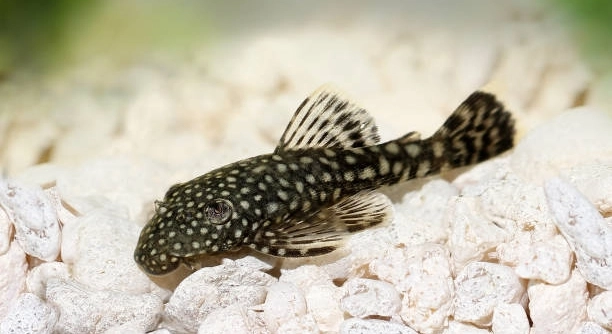
Plecos are popular aquarium fish known for their algae-eating habits. While they’re relatively low-maintenance, skipping their feeding schedule can have effects on their health and behavior. It’s important to understand what happens if they miss a meal.
Skipping a pleco’s feeding can lead to malnutrition and stress. As plecos depend on a consistent food source, missing a meal can affect their energy levels, growth, and overall well-being. Over time, this can result in weakened immune systems.
Regular feeding ensures your pleco stays healthy, happy, and active. It also prevents unwanted behaviors like aggression or increased algae growth. Knowing the best feeding routine for your pleco can help maintain a thriving aquatic environment.
Why Is It Important to Feed Plecos Regularly?
Feeding plecos on a regular basis helps them stay healthy and active. These fish rely on a balanced diet to thrive, especially in aquarium settings where they may not have access to the variety of food they would find in the wild. Plecos are bottom feeders, which means they often look for algae and other detritus in the tank. If not properly fed, they can become weak, stressed, and even develop health issues like stunted growth or a weakened immune system. While they are known for eating algae, they still need supplementary foods like algae wafers or sinking pellets to maintain their health.
A consistent feeding schedule ensures that your pleco gets the proper nutrients it needs. Not feeding them regularly can cause problems down the line.
It’s also important to remember that plecos can be sensitive to changes in their environment, and skipping feedings may increase stress levels. A stressed pleco may not eat properly, making it even harder to maintain its health. Keeping a steady feeding routine supports their well-being.
What Happens If You Skip a Feeding?
Skipping a feeding might seem harmless, but it can cause noticeable effects on your pleco. Without proper nutrition, your pleco may lose its strength and stamina, making it less active in the tank. Over time, this can negatively affect its immune system and overall growth.
It’s important to keep track of how often you feed your pleco and make sure they get enough food. For those who are busy, automated feeders can help ensure your pleco receives its regular meals. Without enough food, plecos may become lethargic, and their natural cleaning behaviors could decrease.
Lack of food also leads to increased competition for algae or other sources in the tank, which can stress out other fish. Plecos might also start nibbling on decorations or plants if their usual food isn’t available, potentially damaging your tank setup. Regular feeding prevents these behaviors and supports a healthier tank environment overall.
How to Tell If Your Pleco Is Not Getting Enough Food
If your pleco is not getting enough food, you may notice changes in its behavior. It might become more lethargic, spending less time actively swimming or cleaning the tank. Weight loss can also be a sign, as the pleco starts to look thinner.
You may also observe that your pleco becomes more aggressive or overly focused on competing for food. This could indicate that it’s not getting enough nutrition and is trying to find alternative sources of food. Plecos, being bottom dwellers, are typically calm but may become restless when hungry.
Another sign of insufficient feeding is when the pleco starts nibbling on the aquarium decorations or plants. This is an indication that they are struggling to find enough food, and their natural instincts to search for food lead them to alternative sources in the tank. If these behaviors occur, it’s time to adjust your feeding schedule.
Best Foods for Plecos
Plecos are herbivores, so they thrive on a plant-based diet. Algae wafers are an excellent food option as they mimic the types of foods they would naturally encounter in the wild. These provide necessary nutrients and help satisfy their hunger.
In addition to algae wafers, you can offer them sinking pellets, fresh vegetables like zucchini or cucumber, and occasionally blanched spinach. These foods are rich in fiber and other vitamins that support their digestive health. Make sure to remove uneaten food from the tank after a few hours to avoid water contamination.
A varied diet keeps your pleco healthy and encourages natural behaviors, like algae grazing. Avoid overfeeding, as it can lead to excess waste and deteriorating water quality. The key is providing consistent, nutrient-rich food that matches their natural diet.
How Often Should You Feed a Pleco?
Plecos should be fed once or twice a day, depending on their age and size. Young plecos may need more frequent feedings, while adult plecos can be fed once daily. It’s important to avoid overfeeding to maintain good water quality.
Feeding them too often can lead to excess waste in the tank, which could cause water contamination. Overfeeding also risks obesity, especially for plecos that have limited access to algae. Regular feeding ensures that your pleco gets the right amount of nutrients without harming the tank environment. Stick to a routine for best results.
Plecos and Algae Growth
Plecos play an important role in controlling algae growth in aquariums. They graze on algae, helping to keep the tank clean. However, they cannot rely solely on algae for their nutrition.
While plecos are good at cleaning tanks, they still require additional food like sinking pellets or fresh vegetables. If there’s not enough algae in the tank, it’s essential to provide supplementary food to avoid malnutrition. Over time, plecos that rely only on algae may become stressed and unhealthy. Keeping a balance is key to supporting both your pleco and the overall tank health.
Signs of Overfeeding
Overfeeding plecos can cause excess waste, which leads to poor water quality. Look for uneaten food settling on the bottom of the tank. It can become a breeding ground for bacteria, which harms the water and your fish.
If the pleco seems sluggish or bloated, it could be a sign of overfeeding. You may also notice increased algae growth or water cloudiness.
FAQ
How do I know if my pleco is hungry?
Plecos are usually active and will search for food when they’re hungry. If your pleco is more active than usual, especially near the surface or in areas where food is commonly found, it might be looking for its next meal. Additionally, a noticeable decrease in cleaning activity or a change in behavior, such as swimming more frequently in search of food, can indicate hunger. Keeping an eye on their behavior will help you determine if they’re looking for more to eat. A hungry pleco may also become more focused on any available algae or debris in the tank.
Can plecos survive without being fed for a day?
Yes, plecos can survive without food for a day or two. In fact, they can go for extended periods without eating, relying on the algae and detritus in the tank. However, consistent feeding is necessary to keep them healthy over time. A day or two without food won’t harm them in the short term, but skipping meals for longer periods can lead to malnutrition and stress. The key is to maintain a regular feeding schedule that provides balanced nutrition.
Can I feed my pleco only algae wafers?
Algae wafers are a great food source for plecos, but they shouldn’t be the only thing your pleco eats. While algae wafers can meet some of their nutritional needs, they require additional food for a balanced diet. Including fresh vegetables like zucchini, cucumber, or spinach helps add variety and essential vitamins. Sinking pellets are also beneficial for their digestive health. Algae wafers alone won’t provide all the nutrients your pleco needs in the long run, so offering a range of foods will help ensure they stay healthy.
What should I do if my pleco stops eating?
If your pleco stops eating, first check the water quality. Poor water conditions can stress plecos and cause them to lose their appetite. Test the water parameters (ammonia, nitrites, nitrates, pH) to ensure everything is in balance. If the water is fine, consider whether they are being bullied by other fish or if the food you’re offering is not to their liking. Make sure to offer a variety of foods. If the problem persists, it might be best to consult an aquarium expert or vet to rule out any underlying health issues.
How long can plecos go without food?
Plecos can survive without food for up to a week or more, depending on their size and health. In a well-established tank, plecos may graze on algae and detritus to get by. However, this isn’t ideal for their long-term health. Consistent feeding ensures they get the nutrients they need to thrive. If you need to leave for an extended period, consider an automatic feeder or have someone else feed your pleco to avoid extended fasting.
Do plecos eat all types of algae?
Plecos are known for eating algae, but they don’t eat all types. They primarily consume soft algae that grows on surfaces like rocks, glass, and plants. While they are great at cleaning up tank algae, they won’t touch tougher algae species, like black beard algae. To help control all types of algae, additional measures such as using an algae scrubber or improving the tank’s lighting and filtration system may be necessary. Plecos alone won’t keep the tank algae-free, but they are an effective part of a broader maintenance plan.
How often should I clean my pleco’s tank?
Plecos help keep your tank clean by eating algae, but they don’t do all the work. Regular tank maintenance is still essential for water quality. Perform partial water changes weekly or bi-weekly, depending on the tank size and fish load. Cleaning the substrate and removing excess uneaten food also helps maintain a healthy environment. While plecos contribute to algae control, it’s crucial to clean their tank and monitor the water quality regularly to prevent harmful buildup. Regular maintenance ensures your pleco stays healthy in a clean environment.
Is it safe to feed plecos fruits or other human food?
Feeding plecos fruits and human food is not recommended in large quantities. While small pieces of fruits like apple or banana can be an occasional treat, they should not be a regular part of their diet. Human food often contains additives and sugars that are harmful to plecos. Stick to fresh vegetables, algae-based foods, and specially formulated fish pellets to provide a balanced and healthy diet. If you do feed fruits, make sure they are properly prepared and in small amounts to avoid digestive issues. Always prioritize foods designed for fish over human food.
Can plecos live with other fish?
Plecos are generally peaceful and can live with most other fish, but there are some exceptions. Larger pleco species may become territorial, especially if they feel threatened or their space is encroached upon. Smaller fish, such as tetras or guppies, typically do well with plecos. However, it’s best to avoid keeping plecos with aggressive or very territorial fish. Also, ensure there’s enough space in the tank for everyone to feel comfortable. With the right tank mates, plecos can coexist happily and contribute to the tank’s ecosystem.
Are plecos aggressive when hungry?
Plecos are not naturally aggressive, but they can become more active when they’re hungry. If they’re not getting enough food, they may compete for food with other fish, especially in tanks with limited resources. While this isn’t necessarily aggression, it can result in the pleco displaying more dominant behaviors. To prevent this, ensure your pleco has a consistent feeding schedule with enough food to avoid stress and competition with other tankmates. This will help keep their behavior calm and cooperative with other fish.
Final Thoughts
Feeding your pleco regularly is crucial for its health and well-being. While these fish are known for eating algae, they still need supplementary food to ensure they get all the nutrients required for proper growth. Algae wafers, sinking pellets, and fresh vegetables should be part of their daily or every-other-day diet, depending on their age and size. Overfeeding can cause problems with water quality, so it’s essential to find the right balance. If you’re unsure, a feeding schedule can help you stay on track and make sure your pleco isn’t missing out on its meals.
Taking the time to observe your pleco’s behavior is key to understanding its needs. If your pleco seems more active than usual or starts to nibble on tank decorations, it might be a sign that it’s hungry or not getting enough food. On the other hand, if it becomes sluggish or bloated, this could be a sign of overfeeding. Regularly checking the water quality and ensuring it stays within safe levels will also help your pleco thrive. A healthy environment, combined with proper feeding, keeps your pleco in the best possible condition.
Remember that plecos are peaceful, bottom-dwelling fish that benefit from a clean and balanced tank. While they contribute to algae control, they cannot do all the work themselves. Regular water changes, cleaning, and monitoring their diet are all part of keeping your pleco healthy. With proper care, your pleco will not only help maintain a cleaner tank but also live a long and happy life.

Hello,
If you enjoy the content that we create, please consider saying a "Thank You!" by leaving a tip.
Every little bit helps us continue crafting quality advice that supports the health, happiness, and well-being of pets around the world, for pets of all shapes, sizes, and species.
We really appreciate the kindness and support that you show us!