
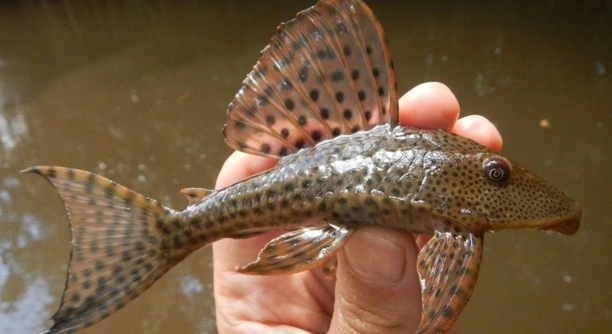
Have you ever found yourself unsure about how often to feed your pleco, especially when life gets a little too busy?
Plecos do not require daily feeding in most cases. Their diet depends on the species, tank conditions, and available algae. Feeding every other day is generally sufficient, but younger or more active plecos may need more frequent nutrition.
Feeding habits, food types, and tank setup all play a role in how often your pleco should eat—let’s look closer at what works best.
How Often Should You Feed a Pleco?
Most plecos don’t need food every single day. They are slow eaters and tend to graze throughout the day, especially if there’s algae in the tank. Feeding them every other day is often enough, depending on their age, size, and activity level. Younger plecos that are still growing might benefit from a more frequent schedule, while older ones do just fine with spaced-out feedings. If you notice leftover food after a few hours, you’re likely feeding too much or too often. Overfeeding can lead to dirty water and health problems. Instead, focus on offering small, controlled portions that match their needs. Keep an eye on their behavior—if they stay active and look healthy, you’re likely feeding just right. Sticking to a regular schedule also helps prevent waste and keeps your tank in better condition. Consistency, rather than quantity, is key to keeping plecos healthy and happy.
Feeding schedules depend on the pleco’s age and environment. A young pleco in a clean tank with little algae might need daily feeding, while a mature one surrounded by natural food sources will need less.
Watch how much your pleco eats in one sitting. If food is left uneaten after a couple of hours, it’s best to cut back.
What Do Plecos Like to Eat?
Plecos are mostly herbivores, but some types enjoy a bit of protein too. Algae wafers, fresh vegetables like zucchini or cucumber, and sinking pellets are common choices. You can also offer blanched spinach, peas, or kale occasionally. Some plecos, especially the carnivorous ones like the zebra pleco, will appreciate treats like bloodworms or shrimp once in a while. It’s important to research your specific pleco species, since their diet needs can vary. A mix of plant matter and occasional protein works for most. Avoid feeding too many high-protein foods unless your pleco requires it. Uneaten food should always be removed to avoid water quality problems. Also, make sure your pleco can reach the food. Sometimes other fish in the tank might get to it first. Use nighttime feedings if needed, as plecos are usually more active after dark. Keeping a balanced diet helps support digestion and prevents bloating or nutritional gaps.
Signs You’re Feeding Too Much
Leftover food, cloudy water, and slow movement are common signs of overfeeding. Plecos won’t always eat everything right away, but if you regularly notice food sitting untouched, it’s time to reduce the amount or feed less often.
Too much food can quickly lead to poor water quality, which affects your pleco’s health and the rest of your tank. Excess waste builds up, raising ammonia levels and stressing the fish. You might also notice your pleco becoming less active or hiding more than usual. These behaviors are not always obvious, so it helps to observe their patterns closely. If your pleco starts ignoring food completely, that could also be a sign it’s full or feeling unwell. Try reducing feeding frequency for a few days and monitor changes. Sometimes a small shift in your schedule or portion size makes a noticeable difference in their overall behavior and tank cleanliness.
Some plecos also develop bloated stomachs from overeating or eating too much protein. While it’s natural for them to look fuller after a good meal, a constantly swollen belly is a red flag. Overfeeding can also cause food to decay in the tank, harming both your pleco and water quality. Keeping meals light helps avoid these issues.
What Impacts How Often Plecos Eat?
Tank conditions, water temperature, and available algae all affect how often your pleco eats. A tank full of algae offers natural grazing, which reduces the need for extra food. Warmer water speeds up their metabolism, making them hungrier.
Different pleco species also have different appetites. A bristlenose pleco, for example, will often nibble on algae and veggies, while a zebra pleco might look for more meaty foods and prefer feeding at night. The tank size and layout play a part, too—more hiding spots can make it harder to track how much they’re eating. Lighting affects algae growth, so brighter tanks may need less supplemental feeding. Seasonal changes and water quality can also shift their appetite slightly. If something seems off, check for changes in their environment. A stable setup with regular testing and a steady feeding pattern helps keep them comfortable. Adjusting based on these factors makes feeding more accurate and avoids waste.
Feeding Tips for Busy Schedules
If you can’t feed your pleco every day, don’t worry. Feeding every other day is usually enough, especially if there’s algae in the tank. Use sinking wafers or veggies that can sit safely for a few hours.
Feeding at night works well for plecos, since they’re more active then. You can drop food in right before bed, and they’ll graze while the tank is quiet. This makes it easier to stick to a routine, even with a busy schedule.
What Young Plecos Need
Young plecos grow quickly and usually need food more often than adults. Feeding once a day is fine for most juveniles, especially if you’re giving them soft veggies or algae wafers. Their bodies use more energy, and regular feeding supports steady growth. Watch their size and appetite to adjust portions as needed. Too much uneaten food can dirty the water, so start small and increase if needed. Offering a varied diet also helps them develop properly. You can mix in blanched vegetables with small amounts of protein like crushed sinking pellets or bloodworms once or twice a week.
Do Plecos Eat at Night?
Yes, most plecos are more active at night. This is when they prefer to graze, especially in a quiet tank. Feeding them right before lights go off works best.
FAQ
Do plecos need daily feeding?
No, plecos do not need daily feeding. They are bottom-dwelling fish that can thrive on a diet that includes algae and other natural food sources in the tank. For most plecos, feeding every other day is enough. However, younger plecos or more active species may need feeding once a day to support their growth and energy needs. Overfeeding can lead to water quality issues, so it’s important to observe their eating habits and adjust accordingly.
How often should I feed my pleco if there’s algae in the tank?
If your tank has a good amount of algae, you can feed your pleco less frequently. Plecos are known for grazing on algae, so if it’s abundant, they may not need additional food every day. Feeding every other day or even every three days is fine, depending on the size of the tank and how much algae is available. Always monitor their weight and activity level to make sure they’re getting enough to eat.
Can I feed my pleco vegetables?
Yes, plecos enjoy vegetables like zucchini, cucumber, spinach, and peas. It’s a great way to provide them with nutrients. Vegetables should be blanched or softened before feeding. Zucchini and cucumber are especially popular, and they provide essential vitamins. Just make sure to remove any leftover vegetables after a few hours to prevent water pollution.
Can plecos eat pellets?
Plecos can eat pellets, particularly sinking pellets that are designed for bottom feeders. These pellets are a good source of nutrition and will sink to the bottom, where plecos prefer to eat. You can also use algae wafers, which are another type of pellet that plecos enjoy. When using pellets, make sure they are the right size for your pleco and not too large for them to eat comfortably.
Is it okay to feed plecos meat?
Some plecos, like the zebra pleco, enjoy meat or protein-rich food occasionally. However, most plecos are herbivores and should primarily be fed vegetables and algae. You can give them occasional treats like bloodworms or small shrimp, but it shouldn’t be a regular part of their diet. Too much protein can cause health issues, so stick to mostly plant-based foods for the best results.
What’s the best food for plecos?
The best food for plecos depends on their species and age. Most plecos do well with algae wafers, sinking pellets, and blanched vegetables like zucchini and spinach. You can also offer occasional protein like bloodworms or shrimp, but plant matter should be the main part of their diet. For variety, rotate the foods you offer to ensure they’re getting a balanced diet.
How can I tell if my pleco is underfed?
An underfed pleco might appear skinny or have a sunken belly. If it’s not eating enough, it may also become less active or hide more often. You might notice that your pleco seems to be searching for food constantly or is scavenging in the tank more than usual. Keeping track of its eating habits and adjusting portions accordingly can help prevent underfeeding.
How can I tell if my pleco is overfed?
Overfed plecos may show signs like a bloated belly or sluggish behavior. Uneaten food might also accumulate at the bottom of the tank, causing the water to get cloudy. If your pleco’s belly appears constantly swollen or it becomes lethargic, you’re likely feeding it too much. Reducing the portion size and feeding frequency can help resolve these issues.
Should I feed my pleco at night?
Yes, plecos are nocturnal and are most active at night. They tend to eat more after the lights go off. Feeding them at night ensures they have access to food during their active hours and can eat without competition from other fish. You can drop food in just before turning off the tank lights to allow your pleco to enjoy it undisturbed.
Can plecos eat fish food?
Plecos can eat some fish food, but they should not be solely fed fish flakes or pellets designed for other species. Plecos need a diet that’s rich in vegetables, algae, and fiber. Fish food meant for carnivores or omnivores may not meet their nutritional needs. Look for foods designed specifically for plecos or bottom-feeding fish to ensure they get a balanced diet.
How long can plecos go without food?
Plecos can go for a few days without food, especially if there is algae or other natural food sources in the tank. However, it’s not ideal to skip feeding for too long, as this can lead to malnutrition or a weakened immune system. If you’re going away for a few days, make sure your pleco has access to enough algae or leaves fresh vegetables in the tank to last during your absence.
Do plecos need a special type of food?
Yes, plecos do need food designed for their unique dietary needs. Algae wafers, sinking pellets, and vegetables are key parts of their diet. While plecos are often bottom feeders, they need food that sinks to the bottom of the tank where they can easily find it. It’s essential to avoid feeding them food meant for other types of fish, as this might not meet their nutritional needs. Keep a good mix of plant-based and occasional protein sources for a well-rounded diet.
Final Thoughts
Feeding plecos doesn’t have to be complicated. These fish are naturally slow eaters that thrive on a diet primarily made up of algae and plant matter. Depending on the species and their age, your pleco may require daily feedings or just a few meals a week. If your tank has a lot of algae, you can feed less often, as they will graze throughout the day. Always make sure to monitor your pleco’s behavior, as it can tell you if you’re feeding too much or too little. A balanced feeding routine ensures your pleco stays healthy while keeping the tank clean.
Overfeeding is a common mistake many aquarium owners make. Too much food leads to poor water quality, as uneaten food decomposes and raises ammonia levels. This can stress out your pleco and other tank inhabitants. To prevent this, offer small portions and only feed what your pleco can consume within a few hours. If you notice leftover food regularly, it’s a sign to adjust the amount you’re feeding. It’s better to feed less often than to overfeed and risk water quality and your pleco’s health.
Lastly, every pleco is different. Some species are more active and may need more food, while others will do well with a sparse diet. It’s important to pay attention to your pleco’s needs and adjust based on their size, age, and environment. A mix of algae, vegetables, and occasional protein treats is usually the best option. By observing your pleco’s habits and keeping their tank clean, you can ensure they live a long, healthy life.

Hello,
If you enjoy the content that we create, please consider saying a "Thank You!" by leaving a tip.
Every little bit helps us continue crafting quality advice that supports the health, happiness, and well-being of pets around the world, for pets of all shapes, sizes, and species.
We really appreciate the kindness and support that you show us!