
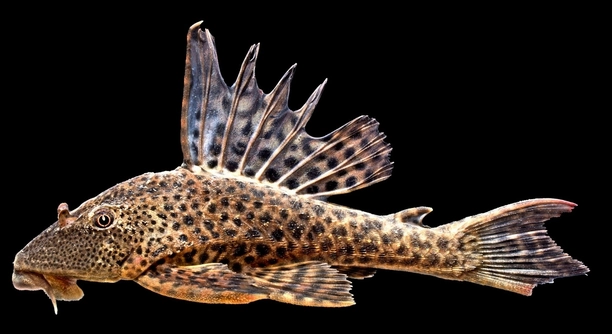
Plecos are fascinating fish that can sometimes be puzzling in their behavior. If you’ve noticed your pleco staying in one spot, it’s important to understand why this is happening and how to address it.
The most common reason a pleco stays in one spot is due to environmental factors, such as water conditions or stress. Poor water quality, lack of hiding spaces, or an unsuitable tank mate can all cause this behavior.
Understanding these factors can help address the underlying issue and improve your pleco’s well-being in the long run.
Common Causes for Your Pleco’s Behavior
One of the main reasons a pleco stays in one spot is poor water conditions. Plecos are sensitive to changes in water parameters like temperature, pH, and ammonia levels. If these factors aren’t ideal, it may cause your pleco to seek a specific spot in the tank where it feels safer. Additionally, plecos prefer a tank with plenty of hiding spaces. Without such areas, they may feel exposed and choose to stay in a corner, away from the action. Tank mates also play a role. Aggressive or overly active fish may stress out your pleco, causing it to hide more.
Sometimes, stress can come from improper tank size. A small tank can make your pleco feel cramped and uncomfortable, leading to immobility in a single spot. It’s essential to ensure your pleco’s living space is large enough to accommodate its growth and natural behaviors. If you notice your pleco staying in one place, it’s a good idea to test the water and reassess its environment to make sure it’s suitable.
Tank conditions are important, but sometimes a simple check of the pleco’s overall health is necessary.
How Tank Environment Affects Pleco Behavior
Tank setup is vital for plecos. They thrive in tanks that replicate their natural environment, with ample hiding spots and consistent water quality. If your pleco feels stressed, it may not explore the tank as usual and instead stay in one spot. Adding plants, caves, or driftwood can help make the tank feel more secure.
Plecos are nocturnal, so they may stay in one spot during the day and become more active at night. If your pleco seems fine during its active hours, its daytime stillness may just be part of its natural rhythm. However, any change in behavior should still be observed closely, as it may indicate other health issues. Proper tank setup and regular water checks are essential for maintaining a happy and healthy pleco.
Water Quality and Its Impact on Plecos
Poor water quality can make plecos feel stressed and inactive. High levels of ammonia or nitrites, or inconsistent pH, can cause a pleco to stay in one spot. Regular water changes and monitoring parameters can prevent this.
Testing water regularly ensures your pleco’s habitat is suitable. Use an aquarium test kit to check for harmful substances. If ammonia or nitrite levels rise, it can lead to health problems and make your pleco retreat to a single spot. Make sure the tank filter is working properly and clean it routinely.
In addition, plecos need stable water temperatures. If the temperature fluctuates too much, it can cause stress, leading to limited movement. Keeping the water stable within the recommended range is crucial for your pleco’s overall health and comfort. This simple check can help improve its behavior significantly.
Tank Setup: Space and Hiding Spots
Plecos are bottom dwellers and require space to move around. If your tank is overcrowded or lacks adequate hiding spots, your pleco might feel trapped and stay in one spot. Proper tank setup is key to a healthy pleco.
Adding caves, plants, and other hiding spots gives your pleco the opportunity to retreat when it feels threatened. These areas help mimic natural environments where plecos can escape from stressors. Even though plecos are active at night, they still need safe spaces to relax during the day. Overcrowding the tank can also lead to competition for space, causing your pleco to settle in a single spot to avoid conflict.
A spacious tank setup not only provides room for your pleco to move around but also helps prevent stress-related issues that can arise from limited space.
Stress from Tank Mates
Tank mates can affect pleco behavior. If your pleco feels threatened by more aggressive or active fish, it might stay in one spot to avoid confrontation. Choosing peaceful tank mates can reduce stress.
Some fish species can intimidate plecos, causing them to retreat. Make sure your pleco’s tank mates are calm and compatible to keep stress levels low. Avoid putting your pleco with fast or overly aggressive fish that may disturb its peace. A harmonious community tank helps your pleco feel secure and move around.
Health Concerns
Health issues can also cause plecos to stay in one spot. Parasites, injuries, or internal problems may affect their activity levels. If your pleco isn’t eating or showing signs of distress, it’s time to examine its health.
Plecos often hide when they are feeling unwell. Look for symptoms such as faded coloration, odd swimming patterns, or lethargy. These may indicate a health issue that’s keeping your pleco stationary. If health problems persist, it’s important to consult an aquarium professional for proper diagnosis and treatment.
The Importance of Regular Maintenance
Regular maintenance helps ensure that your pleco’s environment stays healthy and stress-free. Clean the tank, change the water, and check the filtration system frequently to avoid buildup. A well-maintained aquarium promotes good health and reduces the chance of your pleco staying in one spot.
FAQ
Why is my pleco staying in one spot all day?
There are several reasons a pleco may stay in one spot during the day. Common causes include poor water quality, stress from tank mates, or an inadequate environment. Plecos are sensitive to water conditions like ammonia and pH levels. When the water isn’t suitable, they may seek a place to hide and stay stationary. Additionally, if the tank is too small or lacks enough hiding spots, your pleco may feel exposed and not want to move. Overcrowding can also lead to stress, making your pleco retreat to a single spot for comfort.
Is it normal for my pleco to stay in one spot at night?
Plecos are nocturnal creatures, meaning they are naturally more active at night. If your pleco stays in one spot during the day but becomes more active at night, this is a normal behavior. Plecos rest and seek shelter during the daytime to avoid predators in the wild. At night, they come out to feed and explore their surroundings. If your pleco shows little to no activity at night, it could indicate stress, poor health, or an unsuitable environment. In that case, a water quality check or a tank reevaluation may be necessary.
How do I know if my pleco is stressed?
Stress in plecos can manifest in several ways. If your pleco is staying in one spot for extended periods, hiding more often, or not eating, it may be stressed. Physical signs of stress include faded coloration, unusual swimming patterns, or gasping for air. Stress can be caused by poor water conditions, incompatible tank mates, or an overcrowded environment. Regular water changes, proper filtration, and ensuring tank mates are peaceful can help reduce stress. If your pleco doesn’t improve after addressing these factors, it may be time for a veterinary checkup.
Can poor water conditions make my pleco stay in one spot?
Yes, poor water conditions are one of the most common reasons plecos stay in one spot. Ammonia, nitrites, and improper pH levels can stress out your pleco and cause it to retreat. Inadequate filtration or irregular water changes can lead to a buildup of harmful substances. Plecos are particularly sensitive to these changes and may choose to stay in a corner or hide in response. Regularly testing the water, keeping the filtration system running properly, and performing routine water changes can help maintain a healthy environment for your pleco.
Do plecos need hiding spots in their tanks?
Yes, plecos need hiding spots to feel secure. In the wild, they often hide among rocks, plants, and debris to avoid predators. Without hiding spaces in the tank, your pleco may feel exposed and stressed, causing it to stay in one spot. Adding caves, driftwood, and dense plants can create a comfortable environment for your pleco to hide and move around freely. These spots also mimic their natural habitat, providing them with the security they need to feel at ease.
How can I improve my pleco’s behavior?
Improving your pleco’s behavior starts with ensuring the tank is set up correctly. Make sure the water quality is optimal, with regular testing and maintenance. The tank should be large enough to accommodate the pleco’s growth, and it should have enough hiding spots to reduce stress. Provide peaceful tank mates and avoid overcrowding. A balanced diet, with the right amount of algae, vegetables, and other foods, will also help your pleco feel better. If problems persist, a health check may be needed to rule out illnesses.
Why is my pleco not eating?
A pleco refusing to eat could be a sign of stress, poor water quality, or a health issue. Stress from incompatible tank mates or an unsuitable environment can cause a pleco to stop eating. Water parameters like high ammonia or low pH can also affect their appetite. If the tank setup and water quality are fine, check for other signs of illness, such as lethargy, odd swimming patterns, or physical changes. If your pleco continues to refuse food, consider consulting an aquarium expert for advice or treatment.
Can a pleco survive without algae?
While plecos primarily feed on algae, they can survive without it if given an appropriate alternative diet. In a tank, algae may not always be available in sufficient quantities for a pleco to thrive. In this case, supplement their diet with other food options such as algae wafers, vegetables like zucchini and cucumber, and sinking pellets designed for bottom feeders. These alternatives will help provide the necessary nutrients for your pleco. However, it’s always a good idea to allow some algae to grow naturally in the tank for variety.
Is my pleco sick if it’s staying in one spot?
Not necessarily. While staying in one spot can be a sign of illness or stress, it can also be part of a pleco’s normal behavior, especially during the day when they prefer to rest. However, if your pleco has been inactive for a prolonged period, isn’t eating, or shows any unusual physical symptoms (like faded coloration or swollen areas), it could be sick. In this case, it’s important to assess the water quality, tank environment, and check for other signs of illness. If concerns persist, a vet experienced with fish may be needed.
How can I tell if my pleco is healthy?
A healthy pleco will have clear eyes, bright coloration, and active behavior, especially at night. They should be eating regularly and moving around the tank. Their fins should be intact, and their body should be free of lesions or swelling. If your pleco is staying in one spot or showing signs of abnormal behavior, check the water quality and examine the tank environment for potential stressors. Regular feeding, proper water conditions, and a peaceful tank setup all contribute to a pleco’s health.
What is the ideal tank size for a pleco?
Plecos need plenty of space to thrive. The ideal tank size depends on the species, but most plecos require at least a 75-gallon tank to accommodate their size and active nature. Some plecos, like the common pleco, can grow very large and need more room to move around. A larger tank ensures they have space to swim and find hiding spots. If the tank is too small, the pleco may feel stressed, stay in one spot, and show other signs of discomfort. Make sure to research the specific needs of your pleco species.
Do plecos prefer certain tank mates?
Plecos generally do best with peaceful tank mates. They are bottom dwellers and do not compete for space or food with other fish that stay at different levels. Avoid aggressive species that might disturb or stress out the pleco. Some good tank mates for plecos include peaceful fish like tetras, guppies, and other small, non-aggressive species. It’s important to consider the size and temperament of other fish to avoid creating a stressful environment for your pleco.
Final Thoughts
Understanding why your pleco stays in one spot is important for maintaining its well-being. Various factors like water quality, tank mates, and stress levels can contribute to this behavior. By ensuring your pleco’s environment is suitable, you can help it feel more comfortable and active. Monitoring water conditions and making necessary adjustments can prevent many common issues. Additionally, providing a peaceful environment with enough space and hiding spots can reduce stress and improve your pleco’s overall health. Keeping the tank clean and offering the right food will also make a significant difference.
A healthy pleco will naturally become more active, especially during the night. It’s important to observe any changes in its behavior, such as staying in one spot for long periods or hiding frequently. These could indicate underlying issues that need to be addressed, such as poor water quality or health problems. Pay attention to your pleco’s diet, environment, and the behavior of its tank mates. If you notice signs of distress, it’s essential to act quickly. Sometimes, a simple water change or adjusting the tank setup can resolve the issue. In other cases, consulting a specialist might be necessary.
Taking care of a pleco requires patience and attention. These fish are not only low-maintenance but also fascinating to watch, especially when they feel safe and healthy. By understanding the reasons behind your pleco’s behavior and addressing any issues, you can ensure that it leads a long, happy life in your aquarium. It’s important to regularly check your pleco’s environment, monitor its health, and make adjustments as needed. With proper care, your pleco will thrive and become an enjoyable part of your aquarium.

Hello,
If you enjoy the content that we create, please consider saying a "Thank You!" by leaving a tip.
Every little bit helps us continue crafting quality advice that supports the health, happiness, and well-being of pets around the world, for pets of all shapes, sizes, and species.
We really appreciate the kindness and support that you show us!