
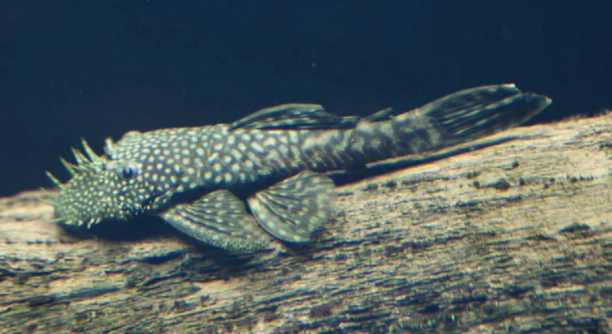
Plecos are known for their peaceful nature and impressive appearance, but many wonder if they can recognize a regular feeding schedule. Understanding their behavior could help enhance the care they receive in your aquarium.
Plecos, like many aquarium fish, can learn to associate feeding times with specific routines. Through conditioning, they can recognize patterns, such as the appearance of their owner or the time of day, signaling food availability.
Recognizing a schedule may help improve the health and well-being of your plecos, making it easier to care for them.
How Plecos Learn to Recognize a Schedule
Plecos are more intelligent than many may assume, especially when it comes to recognizing routines. Over time, they can learn to associate certain actions or times with food. This ability comes from their capacity for conditioning, where they start to anticipate the feeding process. Regular feeding routines are key to helping plecos recognize when to expect their meals.
While plecos are not as social as some other fish species, their recognition of schedules demonstrates their awareness of their environment. This is why consistency is important. If you feed them at the same time every day, they will begin to recognize the pattern and will swim to the surface when it’s time to eat.
The success of this process lies in repetition. By keeping feeding times consistent, plecos will gradually learn to expect food when specific events occur. For example, if you always feed them after turning on the aquarium light, they will associate the light turning on with food. It’s the predictability that matters most.
Benefits of a Consistent Feeding Schedule
Plecos thrive in predictable environments. Having a regular feeding schedule reduces stress and makes feeding easier.
A consistent feeding time also improves their overall health. When they know when to expect food, they will be more likely to eat properly, leading to better digestion. Stress can be minimized, which is important for their immune system. Furthermore, it ensures they don’t overeat or miss meals, both of which can cause health issues. Establishing a routine will also make it easier for you to monitor their eating habits and ensure they are getting the right amount of food. Plecos, like many fish, prefer stability and routine. When their schedule is disrupted, it may cause them to become stressed or anxious, leading to a loss of appetite. Keeping a steady schedule makes for a more comfortable environment for them and makes aquarium maintenance easier for you.
Why Plecos Can’t Be Fed at Irregular Times
Feeding plecos at irregular times can disrupt their internal clock. Fish, like plecos, rely on routine, and inconsistency can confuse them. If feeding times are too erratic, they may stop responding altogether.
Feeding at the same time each day helps plecos maintain their natural rhythm. If you feed them sporadically, they may miss their feeding time or become overly anxious, leading to stress. In the wild, fish have their own feeding patterns that coincide with certain times of the day. Without a set schedule, plecos may not understand when to expect their food.
Additionally, feeding at irregular times can lead to overfeeding or underfeeding. Over time, you may find it harder to gauge their hunger levels. If the schedule isn’t consistent, they may either eat too much or not enough, leading to potential health issues. Keeping to a regular feeding time reduces these risks.
How to Establish a Feeding Routine
Establishing a feeding routine for plecos is simple but requires consistency. Start by feeding them at the same time every day.
Plecos are creatures of habit, and setting a feeding time that works for both you and them is essential. Begin by choosing a time that you can stick to. It doesn’t need to be precise to the minute, but it should be consistent each day. Plecos will start to associate that time with food, making them more likely to come to the surface when it’s feeding time. Be patient during the first few days, as they may take a little time to catch on. Once they do, feeding becomes much easier.
The key is to stay consistent, even if it means adjusting your schedule slightly to meet their needs. Once you get into a routine, you’ll notice that feeding plecos will be smoother and more predictable for both you and your fish.
How to Know When Your Pleco Is Hungry
A hungry pleco will often become more active. You may notice them moving around more or trying to find food. This behavior indicates that they are searching for something to eat.
While plecos are typically nocturnal, they can display hunger signs during the day as well. If they are frequently near the surface or seem to be more alert than usual, it could mean they are ready for a meal. Another sign is if they start sucking on decorations or the glass, a common feeding behavior.
The Importance of Proper Feeding Amounts
Overfeeding plecos can lead to water quality issues. Excess food can decay in the tank, causing spikes in ammonia and nitrate levels. It’s important to monitor how much food you give them.
Underfeeding plecos can also be harmful, as they may not get the nutrition they need to stay healthy. If they aren’t eating enough, they may become weak or start showing signs of malnutrition. By sticking to a regular feeding schedule and adjusting the portion sizes accordingly, you can avoid both problems. Keeping track of how much food they consume ensures they are getting the proper amount.
When to Stop Feeding Your Pleco
Stopping the feeding session once they show no interest is important. If your pleco stops eating, it’s a sign they’ve had enough.
Pay attention to how long they take to finish their food. If the food remains in the tank after they’re done, it might be a sign they’ve had enough and are no longer hungry. This helps prevent overfeeding and ensures their diet remains healthy.
FAQ
Can plecos recognize their owner?
Yes, plecos can become familiar with their owners over time. They may start associating your presence with food, particularly if you feed them at regular times. While they aren’t as interactive as some other fish species, they can still recognize you and will often come to the surface when they see you approach.
How often should I feed my pleco?
Plecos should be fed once a day or every other day, depending on their age and the amount of food they consume. Young plecos, who are still growing, may require more frequent feeding, while adult plecos can generally go longer between feedings. If you have multiple plecos, consider adjusting the amount based on their feeding habits to avoid overfeeding.
What should I feed my pleco?
Plecos are primarily herbivores, but they do eat some protein. Provide them with algae wafers, blanched vegetables like zucchini, and occasionally, sinking pellets designed for bottom feeders. They also enjoy eating natural algae and biofilm from tank surfaces. Avoid feeding them too many protein-heavy foods, as it can cause health problems over time.
Can plecos eat algae from the tank?
Yes, plecos can eat algae from the surfaces of the tank. They are excellent algae eaters, which helps maintain the cleanliness of the aquarium. However, this shouldn’t be their sole food source. Algae should be supplemented with additional food, as it’s unlikely to provide all the nutrients they need.
How do I know if my pleco is overfed?
Overfed plecos may start to show signs like becoming lethargic or developing bloated stomachs. Excess food can lead to poor water quality, as uneaten food decays and increases ammonia levels. If your pleco’s belly is visibly swollen or they are swimming less, you may be feeding them too much.
What should I do if my pleco isn’t eating?
If your pleco isn’t eating, first check the water quality. Poor water conditions, such as high ammonia or nitrate levels, can cause stress and loss of appetite. Also, ensure that their food is fresh and not contaminated. Sometimes, plecos may also refuse food when they are stressed or in an environment that doesn’t suit them.
Can plecos live without food for a few days?
Plecos can survive for a few days without food, especially if they are scavenging algae and biofilm from the tank. However, they will need regular meals to stay healthy in the long term. It’s essential to avoid extended fasting periods, as they require a balanced diet for proper growth and immune function.
Do plecos need special tank conditions?
Plecos prefer clean water with a stable temperature, usually between 72°F and 82°F (22°C to 28°C). They also thrive in well-filtered aquariums. While plecos can adapt to various water conditions, maintaining a consistent and clean environment is key to their health. Regular water changes are also necessary to keep the tank in optimal condition.
Can plecos eat meat or protein-based foods?
Although plecos are mostly herbivores, they will occasionally consume small amounts of protein, especially in their natural habitat. However, they should not be fed excessive protein, as this can lead to health issues like obesity and digestive problems. Stick to vegetable-based foods, with occasional protein treats like sinking pellets or small pieces of shrimp.
How do I prevent my pleco from becoming aggressive?
Plecos are generally peaceful but can sometimes become territorial, especially if there isn’t enough space in the tank. Providing plenty of hiding places and decor can reduce territorial behavior. It’s important to avoid overcrowding, as this can lead to stress and aggression. Ensure your tank mates are compatible, as some fish may trigger aggression.
Do plecos need a filter in their tank?
Yes, plecos benefit from a good filtration system. They produce waste that can affect water quality, so a filter helps keep the tank clean. The filter also supports the growth of beneficial bacteria that help break down harmful substances in the water. Be sure to choose a filter that is appropriate for the size of your tank.
Can plecos live with other fish?
Yes, plecos are usually peaceful and can live with most community tank fish. However, avoid keeping them with very small fish that might be seen as food. Plecos can sometimes be territorial with other bottom dwellers, so providing plenty of space and hiding spots will help prevent any conflicts.
Why is my pleco always hiding?
Plecos tend to be shy and nocturnal, so they may hide during the day and come out at night. If they are hiding excessively, it may be a sign of stress or poor water conditions. Ensure that the tank is clean, the water is at the right temperature, and that there are sufficient hiding spots to make them feel secure.
How long do plecos live?
Plecos can live for many years, with some species reaching up to 15-20 years if given proper care. Their lifespan is influenced by factors such as water quality, diet, and overall tank conditions. By maintaining a healthy environment, you can help ensure your pleco enjoys a long, healthy life.
Do plecos require a large tank?
The size of the tank depends on the species of pleco you own. Some plecos can grow very large, requiring 75 gallons or more of water, while smaller species can thrive in tanks as small as 20 gallons. It’s essential to research the specific needs of your pleco species to ensure they have enough space to grow and thrive.
Final Thoughts
Plecos can be fascinating and low-maintenance fish, making them an excellent choice for many aquarium owners. Their ability to help control algae in a tank is one of their most appealing traits. However, it’s essential to understand their specific care requirements to ensure they thrive. Regular feeding, proper tank conditions, and water quality are key to keeping a healthy pleco. It’s also important to be aware of their size and ensure they have enough space as they grow.
A consistent feeding schedule is crucial for plecos, as they rely on regular meals to stay healthy. Offering a variety of food, including algae wafers, vegetables, and occasional protein, helps meet their dietary needs. Overfeeding or underfeeding can lead to problems, such as poor water quality or malnutrition. Monitoring how much food your pleco consumes can prevent these issues. Additionally, cleaning the tank regularly and maintaining a stable water temperature are important factors that support your pleco’s well-being.
Plecos are relatively easy to care for, but they do require attention to detail. Ensuring they have a proper environment, the right diet, and sufficient space can lead to a long, healthy life for your fish. Understanding their behavior, such as their feeding habits and hiding tendencies, allows for a more enjoyable experience as an aquarium owner. With the right care, a pleco can be a valuable and rewarding addition to your tank.

Hello,
If you enjoy the content that we create, please consider saying a "Thank You!" by leaving a tip.
Every little bit helps us continue crafting quality advice that supports the health, happiness, and well-being of pets around the world, for pets of all shapes, sizes, and species.
We really appreciate the kindness and support that you show us!