
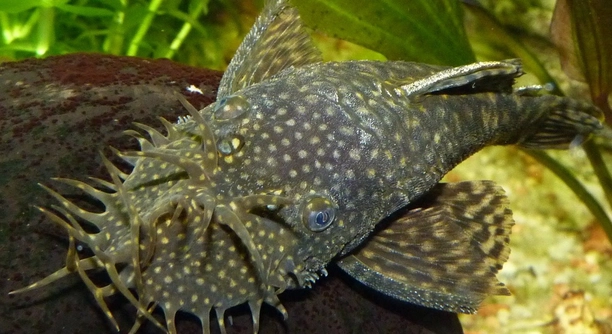
Plecos are known for their algae-eating habits, but you may wonder if they consume leftover fish food. This question can help you understand their dietary preferences and ensure your aquarium remains balanced.
Plecos are opportunistic feeders, which means they will eat leftover fish food if it is available. They mainly feed on algae but will consume other food sources, including detritus and uneaten fish food, as part of their diet.
Understanding how plecos manage leftovers in your tank can help optimize their health. Managing food waste in the aquarium ensures a clean and thriving environment for all aquatic creatures.
Understanding Plecos’ Feeding Habits
Plecos are natural algae eaters, but their diet isn’t limited to just algae. They are known to scavenge the tank floor for any leftover food, including fish flakes or pellets that have fallen out of reach. They play an important role in cleaning up uneaten food, but it’s essential not to rely solely on them for tank cleanup. Excess food can lead to poor water quality, which can affect both your plecos and other fish in the tank. To keep them healthy, it’s important to feed them the right amount of food and remove any uneaten portions to prevent waste buildup. Plecos are hardy, but their health can decline if food and waste aren’t properly managed.
Some plecos are more active in searching for food than others. Larger species are typically more effective at cleaning the tank, but even smaller ones will nibble on leftover food. Regular maintenance, such as vacuuming the substrate and trimming uneaten food, ensures a balanced tank ecosystem. While plecos will eat leftovers, they need a varied diet to stay healthy, including specific vegetables, algae wafers, and occasional protein-rich foods.
Understanding their feeding behavior ensures they get the proper nutrients without causing water contamination. Their role as cleanup crews is helpful, but their diet must be carefully monitored for their well-being.
Managing Leftovers in the Tank
Overfeeding is a common issue that affects plecos and the overall tank environment. Leftover food can quickly decay, leading to spikes in harmful substances like ammonia. This can stress both plecos and other aquatic life. Keeping track of how much food is being added and adjusting feeding habits accordingly is crucial. If you notice uneaten food lingering for too long, it’s time to remove it.
A well-maintained tank encourages a balanced diet for plecos. You can control how much they consume by feeding smaller portions, checking water parameters regularly, and observing their eating habits. This helps prevent any uneaten food from polluting the tank. Over time, with consistent care, your plecos will thrive, and your tank will stay healthier.
Signs of Overfeeding
Overfeeding is easy to do, especially if your plecos seem hungry. If you notice excess food floating or sitting at the bottom of the tank, it’s a sign you’ve fed them too much. Leftover food can lead to poor water quality and unwanted algae growth, both of which can harm the tank’s ecosystem. It’s essential to monitor how much food is being added and adjust based on your pleco’s needs. Regularly checking the tank for uneaten food helps maintain a clean and healthy environment.
Even if it seems like your pleco eats everything, they might leave some food behind, especially if it’s not to their liking. This leftover food can quickly degrade and create a breeding ground for harmful bacteria. The presence of excess food could also indicate that your pleco isn’t hungry enough, which might suggest feeding too frequently. Monitoring their feeding behavior closely and adjusting your routine ensures that they get what they need without causing unnecessary waste.
Maintaining Water Quality
Water quality is crucial for the health of your plecos and all other tank inhabitants. When food is left behind, it can break down and release harmful substances, such as ammonia and nitrites. These substances can disrupt the delicate balance of your aquarium, causing stress and illness for the fish. Maintaining clean water is a straightforward task. Ensure that you clean the substrate regularly, remove any leftover food, and perform partial water changes as needed.
Additionally, using a good filtration system is vital for keeping the water free from excess nutrients. Filter systems help remove particles that may not be visible but can affect water quality over time. Regular water tests are also important to track the levels of ammonia, nitrites, and nitrates. This will give you a clearer picture of how the tank is performing and help you catch any potential issues before they become serious. With consistent care, your plecos will thrive in a clean and stable environment.
The Role of Algae in Plecos’ Diet
Plecos are naturally drawn to algae, which is a key part of their diet. They graze on algae that grows on the tank’s surfaces, helping to keep it under control. Without enough algae, plecos will turn to other food sources, including leftovers.
Algae is an excellent food source for plecos, providing essential nutrients and fiber. If your tank doesn’t have enough algae, you can supplement their diet with algae wafers. This ensures they get the nutrients they need to stay healthy and active. If you have live plants, plecos may also nibble on them, so keep an eye on any plant damage.
Supplemental Feeding
In addition to algae, plecos can benefit from supplemental feeding. Providing vegetables like zucchini, cucumber, and spinach gives them variety and the vitamins needed for their well-being. Some plecos will also enjoy protein-based foods like shrimp or worms.
By offering a variety of foods, you can ensure your plecos stay healthy and well-nourished. It’s essential to give them foods that mimic their natural diet, which includes both plant and animal matter. Overfeeding should still be avoided, as it can lead to excess waste and poor water quality.
Tank Maintenance Tips
Regular maintenance is crucial to keeping your plecos healthy. Cleaning the substrate, removing leftover food, and performing water changes are all essential tasks. Removing debris and food leftovers prevents decay, which could negatively impact the tank environment.
Cleaning the filter is just as important, as it helps keep water quality in check. Maintaining a routine schedule for water tests, substrate cleaning, and filter maintenance ensures the tank remains balanced and healthy. A clean tank promotes the well-being of all its inhabitants, including your plecos.
FAQ
Do plecos eat fish flakes?
Yes, plecos can eat fish flakes, but they are not their preferred food. Plecos are more likely to eat algae, detritus, and leftover food that settles on the tank floor. If fish flakes are left in the tank, plecos might nibble on them, but they will mainly focus on other natural food sources.
Can plecos survive on algae alone?
While algae is a significant part of a pleco’s diet, they cannot survive on algae alone. They require a variety of other foods, such as vegetables and occasional protein, to maintain proper health. Algae alone does not provide all the nutrients they need, especially if the tank doesn’t have enough natural algae growth.
How often should I feed my pleco?
Plecos should be fed once a day, though some might only need food every other day. Overfeeding can lead to excess waste in the tank, which harms water quality. It’s important to remove any uneaten food after a few hours to avoid contamination. Observe your pleco’s eating habits and adjust accordingly.
What vegetables can I feed my pleco?
Plecos enjoy a variety of vegetables, including zucchini, cucumber, spinach, and sweet potato. You can offer these vegetables by either blanching them slightly or leaving them raw. Make sure the vegetables are cut into manageable pieces and monitor how much is eaten to avoid excess leftovers.
Do plecos eat protein?
Yes, plecos do eat protein, although it should be offered in moderation. You can provide shrimp, bloodworms, or other protein-rich foods. This is especially important for species that need additional protein in their diet to thrive. However, protein should not make up the majority of their diet; it’s best to balance protein with plant-based foods.
Can plecos eat pellets or wafers?
Plecos can eat specialized algae wafers or sinking pellets designed for bottom feeders. These types of food provide the necessary nutrients and are often enriched with fiber to support the pleco’s digestion. Make sure to choose pellets or wafers that are suitable for plecos, as not all fish food is appropriate for them.
Are plecos bottom feeders?
Yes, plecos are bottom feeders, which means they primarily search for food on the tank floor. They help clean the substrate by eating leftover food and detritus, which helps maintain a cleaner tank environment. Plecos also graze on algae on surfaces like rocks, glass, and decorations.
How can I tell if my pleco is hungry?
If your pleco is actively searching the tank for food, it’s a sign that it’s hungry. You might see it grazing on surfaces or scavenging the bottom of the tank. Plecos are usually more active at night, so check the tank in the evening to observe their feeding habits.
Do plecos need live plants in their tank?
Plecos do not need live plants to survive, but they may benefit from having them in the tank. Live plants offer hiding spots and a more natural environment. Additionally, some plecos will nibble on certain plants, so be aware of any damage to delicate plants.
Can plecos eat leftover fish food?
Yes, plecos will often eat leftover fish food, as they are opportunistic feeders. However, relying on them to clean up all the food in the tank is not ideal. Uneaten food can degrade and affect water quality, so it’s important to monitor and remove excess food regularly.
What size tank does a pleco need?
Plecos require a spacious tank, especially as they grow. A minimum of 30 gallons is recommended for smaller species, while larger species may need 75 gallons or more. Plecos grow over time and need room to swim and graze, so providing ample space will help them thrive.
Can plecos live with other fish?
Yes, plecos generally get along with other fish. They are peaceful creatures and usually don’t show aggression toward tankmates. However, some plecos can become territorial, particularly when they reach adulthood. It’s important to ensure that your tankmates are compatible and that there is enough space for everyone.
How long do plecos live?
Plecos can live for quite a long time, with some species living up to 10-15 years or more. Their lifespan depends on the species, water quality, and diet. Proper care, including maintaining clean water and providing a balanced diet, will help ensure that your pleco lives a long and healthy life.
Do plecos need a heater in their tank?
Yes, plecos are tropical fish and require warm water temperatures to thrive. A heater is usually necessary to maintain the water temperature between 75°F and 80°F (24°C to 27°C). Ensure the heater is properly set up to avoid fluctuations in temperature, which can stress your pleco.
Can plecos help with algae control?
Yes, plecos are great at controlling algae in the tank. Their natural diet consists of algae, and they will graze on surfaces to help reduce algae buildup. However, they might not completely eliminate algae growth, especially in tanks with limited algae. Regular maintenance and appropriate lighting are still necessary.
Are plecos sensitive to water changes?
Plecos can be sensitive to rapid changes in water parameters, especially temperature and pH. It’s important to perform gradual water changes and monitor the tank’s water quality regularly. Sudden shifts in water conditions can cause stress or illness, so consistency is key in pleco care.
Final Thoughts
Plecos are fascinating fish that can thrive in a variety of aquarium settings. Their ability to eat algae, leftover food, and even certain vegetables makes them an excellent addition to many tanks. Their unique behavior of grazing on surfaces and helping to keep the tank clean is valuable, but it’s important to remember that they need more than just algae to stay healthy. A balanced diet, regular tank maintenance, and appropriate tank size are essential for their well-being.
While plecos are generally peaceful and easy to care for, they do have specific needs that must be met. Proper feeding, including a variety of vegetables, algae wafers, and occasional protein, will ensure they receive all the necessary nutrients. Overfeeding should be avoided to maintain water quality and prevent health issues. Regular cleaning of the tank and monitoring of water parameters are just as crucial in supporting a healthy environment for your pleco.
By understanding the needs of plecos and providing a suitable habitat, they can live for many years, adding beauty and functionality to your aquarium. If you maintain proper care routines, your pleco will help keep your tank clean while remaining a peaceful and long-term companion. Make sure to keep an eye on their behavior and diet, adjusting as necessary to ensure they continue to thrive in their aquatic home.

Hello,
If you enjoy the content that we create, please consider saying a "Thank You!" by leaving a tip.
Every little bit helps us continue crafting quality advice that supports the health, happiness, and well-being of pets around the world, for pets of all shapes, sizes, and species.
We really appreciate the kindness and support that you show us!