
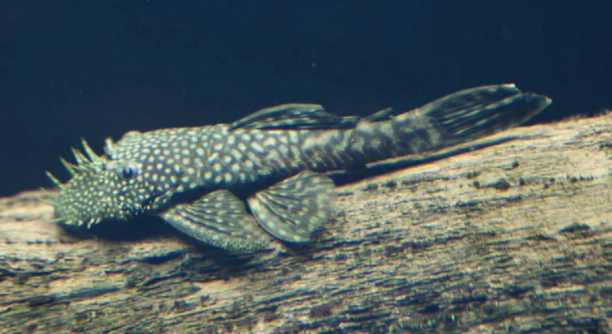
Is your Plecostomus constantly stirring up the tank, pushing gravel around, and leaving your aquarium looking unsettled and messy?
The most common reason your Plecostomus is always digging is instinctual behavior. These fish naturally forage and move substrate in search of food, shelter, or to establish territory, especially in environments that resemble their wild habitat.
Understanding their digging habits can help you create a tank setup that supports their natural instincts while keeping the environment clean.
Common Reasons Plecos Dig in the Substrate
Plecostomus are bottom-dwelling fish with natural instincts to move substrate. In the wild, they sift through sand and gravel to find algae, leftover food, and plant material. In a home aquarium, this behavior often continues. They may dig to uncover food that sinks or to create a spot to rest. Sometimes, digging is part of their effort to find a comfortable space to hide. They can also do it when they’re trying to claim territory. If you have more than one Pleco or other bottom dwellers, the digging may increase. Stress, lack of hiding spots, or changes in water parameters may also contribute to this activity. In some cases, males dig more during breeding behavior. While it’s normal, it can disrupt plants or decorations if the tank isn’t set up to support it.
Digging is a normal behavior and not always a problem. The goal is to understand why it happens.
Offering flat stones, driftwood, and caves helps reduce excessive digging by giving your Pleco dedicated spaces. Soft, fine substrate can also reduce stress on their bodies and prevent injury. Avoid sharp or large gravel. A mix of sand and smooth gravel works best. Keep the tank clean, and remove uneaten food regularly to prevent buildup that might encourage constant searching. When other fish invade your Pleco’s space, digging may increase. Ensure your tank size matches the needs of all inhabitants. A 75-gallon or larger tank gives them more room. Live plants may need to be anchored or avoided if uprooting becomes frequent. You can use potted plants or hardy types like Java fern and Anubias. Consistency in water quality is important, too. Regular water changes, stable temperature, and good filtration reduce stress that may lead to constant digging.
When Digging Becomes a Concern
If your Pleco is injuring itself or stirring up debris constantly, it may be time to adjust the tank setup or review your care routine.
Frequent, aggressive digging can signal stress, poor tank conditions, or overcrowding. Monitor water parameters for ammonia spikes or low oxygen levels. A Pleco that seems frantic may be reacting to something in the environment. Look for signs like rapid breathing, faded color, or hiding more than usual. These changes can show discomfort. If the tank is too small or lacks shelter, digging might be your Pleco’s way of coping. Rearranging the layout, improving filtration, or increasing oxygen levels may help. Sometimes, overfeeding leads to leftover food sinking and encourages constant foraging. Feed your Pleco a balanced diet and remove any uneaten food quickly. Adding tank dividers or separating aggressive fish may also ease tension. It’s about creating a space that feels secure and meets their needs. When the setup supports natural behavior, digging usually becomes less disruptive.
Tips for Reducing Excessive Digging
Make sure your Pleco has plenty of hiding spots. Use driftwood, caves, and large stones to create sheltered areas. This helps your Pleco feel secure and reduces the urge to dig excessively in search of safety or comfort.
Use a soft, sandy substrate to protect your Pleco’s body and limit disruption to the tank. Avoid sharp gravel that can cause injury. Secure decorations and use sturdy plants like Java fern or Anubias that won’t be easily uprooted. Consider potted plants to prevent them from being displaced. Make sure your tank is spacious enough—at least 75 gallons for most adult Plecos. Provide consistent lighting and a natural day-night cycle to reduce stress. Proper tank layout helps your Pleco feel settled, reducing the need to dig. Rearranging the setup to suit their habits makes the environment more manageable for you and more comfortable for your fish.
Regular maintenance also plays a key role in keeping behavior under control. Remove excess waste and leftover food that might sink into the substrate and encourage digging. Feed your Pleco at the same time each day to establish a routine. Avoid overfeeding to keep the tank clean and reduce scavenging. Monitor water parameters weekly to keep conditions stable. Plecos are sensitive to poor water quality, which can increase stress and lead to more digging. Check temperature, pH, and ammonia levels consistently. Limit the number of bottom dwellers to avoid crowding. Too many fish in the same zone often leads to territorial behavior. A calm, clean, well-structured tank reduces anxiety and makes your Pleco less likely to dig all day.
Nighttime Activity and Digging
Plecos are more active at night, which is when most of their digging happens. Their natural rhythm makes them search for food and rearrange substrate when the tank is dark and quiet.
If the digging seems to increase after lights go off, try observing your Pleco with a dim red light. This helps you better understand their nighttime routine without disturbing them.
Environmental Triggers to Watch For
Changes in tank setup, water temperature, or new tankmates can increase digging. Even small changes may trigger this behavior. Plecos are sensitive to their surroundings, and disruptions can make them feel uneasy. When your Pleco feels stressed, it may dig more to find comfort or claim new territory. Loud noises, shifting décor, or sudden light changes can also contribute to digging. Keeping the tank stable helps reduce unnecessary activity. Try to introduce changes slowly. Monitor your Pleco closely after making any adjustments, and give them time to settle in. Small, steady changes tend to work better than big ones.
Final Thoughts on Pleco Digging
Understanding why your Pleco digs can help you create a more balanced tank setup and reduce the behavior without causing stress.
FAQ
Is it normal for Plecos to dig all the time?
Yes, it’s normal for Plecos to dig regularly, especially at night. This behavior is part of how they interact with their environment. They may be looking for food, rearranging their space, or trying to feel more secure. While some digging is expected, constant, aggressive digging may indicate something in the tank isn’t right. Watch for other signs like poor water quality, limited hiding spots, or stress from tankmates. If everything else looks fine and your Pleco is active and healthy, the digging is likely a natural behavior.
Can digging harm other tank inhabitants?
Sometimes. If your Pleco digs excessively, it can stir up debris, cloud the water, or dislodge plants and décor. This can stress out more delicate species, especially those that prefer stable environments. It may also lead to territory disputes if other bottom dwellers feel their space is being disturbed. Plecos are usually peaceful, but their size and strength can make their actions disruptive. Keeping the tank layout secure and offering separate hiding spaces for other fish can help reduce tension and protect your setup.
Why is my Pleco digging under the filter or heater?
Plecos often look for shaded, quiet spaces to rest. The area under the filter or heater may feel more hidden or calm, especially if the tank doesn’t offer enough caves or driftwood. However, digging in these spots can be risky, as it may dislodge equipment or block water flow. If this happens often, consider adding more low-light shelters and hiding areas. Rearranging the tank to make other spots more appealing can redirect this behavior away from equipment. Avoid placing heaters or intakes too close to the bottom if your Pleco is particularly active.
Do all Plecos dig the same amount?
No. Digging behavior varies depending on the species, size, age, and individual temperament. Bristlenose Plecos are usually less destructive, while common Plecos or larger varieties may dig more and move heavier objects. Some fish become more active during breeding periods or when they feel threatened. The tank setup also influences behavior—those without proper enrichment or hiding spots may dig more often. Watching how your specific Pleco behaves over time is the best way to understand what’s normal for them. Not every Pleco will dig the same way or with the same intensity.
Will switching substrate types reduce digging?
Switching to a softer, finer substrate like sand can reduce the disruption digging causes but won’t stop the behavior itself. Sand is easier on your Pleco’s body and doesn’t hurt their mouth or fins when they dig. It also prevents large gaps that can trap food or waste. While your Pleco will likely continue digging, it becomes less damaging to the tank’s setup. If you’re struggling with constant mess, a substrate change might be helpful. Pair it with more shelter and consistent feeding habits to make digging less frequent or intense.
Can Plecos dig because they’re hungry?
Yes. Plecos may dig through substrate looking for leftover food, especially if they don’t feel satisfied after feeding. This is more common in tanks where sinking food collects in the gravel. Make sure your Pleco gets enough algae wafers, fresh vegetables like zucchini, and protein-based treats in a routine schedule. Feeding at the same time daily helps reduce food-seeking behaviors. Remove any uneaten food after a few hours to keep the tank clean. A hungry Pleco will often become more active and dig more in search of food, especially at night.
How can I tell if the digging is due to stress?
If the digging is paired with other signs like hiding all day, dull coloration, rapid breathing, or avoiding other fish, stress might be the cause. Tank changes, poor water quality, loud environments, or lack of space can make Plecos anxious. Regular testing of water parameters and monitoring interactions with other fish will help. If everything looks normal, consider if something in the environment recently changed. Stress-induced digging tends to be more frantic or aimless. Addressing the root cause often reduces the behavior over time and helps your Pleco feel more secure.
Final Thoughts
Plecostomus digging is a natural behavior that many owners notice once the fish becomes comfortable in its environment. It’s often tied to their instincts, especially at night when they become more active. Digging helps them search for food, move substrate around, and find a comfortable spot to rest. For most Plecos, this behavior is harmless and manageable with the right tank setup. As long as your fish is eating well, moving normally, and not showing signs of illness or stress, there’s usually no reason to worry. Some species will dig more than others, and individual preferences can also play a part.
A stable and well-maintained aquarium plays a big role in managing excessive digging. Keeping water conditions consistent, providing soft substrate, and offering enough hiding spaces will help your Pleco feel secure. Adding driftwood and caves gives your Pleco more places to explore, which may reduce digging in other areas. Feeding them regularly and including a balanced diet also lowers the chances of them constantly turning over the substrate looking for scraps. If your Pleco is disrupting the layout or bothering other tankmates, small changes like reinforcing décor, separating territories, or adjusting lighting may help keep things under control.
Understanding your Pleco’s behavior helps you respond to their needs more effectively. Digging is not always a problem—it’s a sign they’re interacting with their space. But when it starts affecting other fish or the tank’s structure, it’s worth making small changes to support healthier habits. Observing their activity, especially at night, can help you learn what makes your Pleco feel safe and satisfied. Every fish is different, so what works for one may not work for another. By watching closely and adjusting when needed, you can maintain a peaceful tank where your Pleco can dig without creating too much disruption.

Hello,
If you enjoy the content that we create, please consider saying a "Thank You!" by leaving a tip.
Every little bit helps us continue crafting quality advice that supports the health, happiness, and well-being of pets around the world, for pets of all shapes, sizes, and species.
We really appreciate the kindness and support that you show us!