
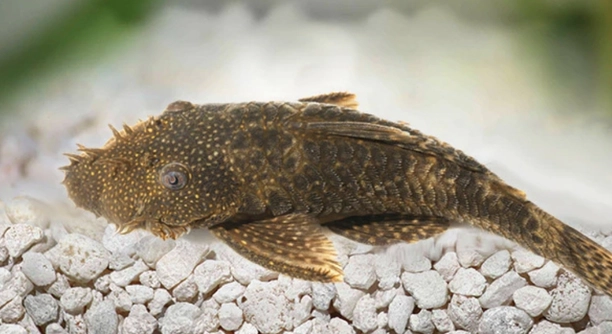
A sick plecostomus can worry any aquarium owner. These bottom-dwelling fish are typically hardy, but illness can still strike. Knowing how to care for your pleco when it’s not feeling well is essential for its health and recovery.
Isolating a sick plecostomus is recommended to prevent the spread of illness to other fish. This also allows you to monitor the pleco’s condition more closely and provide appropriate treatment. Prompt action helps ensure the fish’s best chance of recovery.
Understanding the signs of illness and knowing the best steps to take can be the difference between a quick recovery and a prolonged struggle. Let’s explore how you can best care for your sick pleco.
Why Isolate a Sick Plecostomus?
When your plecostomus is sick, isolation helps create a controlled environment where you can manage its condition without the risk of infecting other fish. It also gives you the space to provide specialized care. Sick fish often need extra attention, such as adjusted water parameters or different food. Removing the pleco from a tank can prevent stress from other fish and reduce the spread of illness, which is especially important in a community aquarium. If a pleco is showing signs of distress, isolating it is the first step to ensuring its survival.
An isolated tank should be properly set up to make the pleco as comfortable as possible. Ensure that the water temperature, pH, and other factors are appropriate for the species. Adding hiding spots, like rocks or plants, will also help reduce stress.
Monitoring the pleco’s behavior, appetite, and appearance closely will allow you to identify how it’s responding to the treatment or environment changes. You’ll also be able to act quickly if it worsens. Without the added stress of other tank mates, your pleco has a better chance of recovery.
Common Signs of Illness in Plecostomus
Recognizing the signs of illness early is vital for the pleco’s recovery. Symptoms like loss of appetite, unusual swimming patterns, or visible lesions should not be ignored. It’s important to be observant.
In many cases, plecos will become lethargic or spend more time hiding when they’re not feeling well. Another key sign is if they start swimming erratically or stay near the surface. You may also notice a change in their color, or they might develop abnormal growths or white spots. If you see any of these symptoms, isolate the pleco immediately.
These symptoms are often indicators of a bacterial or parasitic infection, but they can also point to stress or poor water quality. Regular maintenance of water conditions in the main tank is crucial to prevent such issues. Addressing these signs early will help you manage the pleco’s illness more effectively and prevent further damage.
Setting Up the Isolation Tank
For an isolated plecostomus, you don’t need a large tank, but it should be comfortable and secure. A small 10 to 20-gallon tank is sufficient, as long as it’s properly filtered and heated. The water parameters must match what the pleco is used to in the main tank.
Make sure the isolation tank has a soft substrate like sand, as plecos have sensitive underbellies. You’ll also need a filter to keep the water clean, but make sure it’s not too strong, as plecos prefer gentle water flow. Keep the lighting dim to reduce stress, and include some hiding spots, like rocks or driftwood, to make your pleco feel safe.
It’s also essential to check the water parameters regularly, especially temperature and pH, since these can change quickly in a smaller tank. A stable environment helps prevent further stress and promotes healing. Be sure to clean the tank regularly but avoid disturbing your pleco too much.
What to Feed a Sick Plecostomus
When your pleco is sick, it’s crucial to provide the right food to aid recovery. Stick to simple, easily digestible foods like blanched zucchini or algae wafers. Avoid feeding them anything too rich or difficult to digest, as it can stress their system.
If the pleco refuses to eat, it could be a sign that it’s not feeling well enough to eat solid food. In such cases, you can try offering live or frozen food, such as brine shrimp or bloodworms, to tempt its appetite. These foods are rich in nutrients and might spark its interest. Always remove any uneaten food to avoid polluting the water.
Sick plecos can sometimes go for a few days without eating, especially if they are stressed. Don’t force-feed them, but offer food at regular intervals. Patience is key, as getting them back to eating could take time. Just ensure the environment remains stable while they recover.
Water Quality in the Isolation Tank
Water quality is crucial when isolating a sick pleco. Clean water helps prevent further stress and creates an environment conducive to healing. Test the water regularly, checking for ammonia, nitrites, and nitrates, and ensure the temperature stays steady.
It’s important to perform partial water changes to keep the tank clean. Remove any debris or waste that accumulates, but avoid changing the water too frequently, as it could stress your pleco. Aim for small, consistent changes instead. Always treat the water before adding it to avoid chlorine or other harmful chemicals.
Monitoring Progress
Keep an eye on your pleco’s behavior and appearance each day. If you notice improvements, such as a return of appetite or normal swimming, that’s a good sign it’s recovering. If things worsen, you may need to adjust water conditions or consider different treatments.
Look for subtle signs like increased activity or a brighter coloration. These can indicate that the pleco is becoming stronger. If the pleco’s condition doesn’t improve or worsens, contact an expert or a vet to rule out more serious issues. Early detection of complications can make a difference in recovery.
Preventing Illness in the Future
Once your pleco recovers, it’s essential to focus on prevention. Keep the main tank’s water conditions stable and monitor for any signs of stress in your fish. Regular water testing and tank maintenance can go a long way in avoiding sickness.
Consider quarantining new fish before adding them to the tank. This helps prevent the introduction of diseases. Keeping your tank clean and feeding your plecos a balanced diet will also reduce the risk of illness. Healthy fish are less likely to become sick and will thrive in the long run.
FAQ
Should I isolate my plecostomus if it shows signs of illness?
Yes, isolating your plecostomus is recommended when it shows signs of illness. It prevents the spread of potential diseases to other fish and allows you to monitor its condition more closely. You’ll also be able to provide better care, adjusting the water parameters and food to help with recovery. Isolating the sick pleco reduces stress from tank mates, creating a more peaceful environment for it to heal.
How long should I isolate my sick plecostomus?
The duration of isolation depends on the pleco’s recovery. Most plecos need at least a few days to a week in isolation, but it could take longer if the illness is severe. Monitor your pleco’s behavior and appearance during this time. Once it shows significant improvement in eating habits and activity levels, you can consider reintroducing it to the main tank. Always ensure the pleco is fully recovered before returning it to avoid spreading any remaining infection.
What are the common diseases in plecostomus?
Plecostomus can suffer from various diseases, including fungal infections, bacterial infections, and parasitic issues. Common symptoms of these include discoloration, loss of appetite, rapid gill movement, or abnormal swimming. A well-maintained tank is the first line of defense against illness, but if you notice signs of illness, immediate isolation and treatment are necessary.
How can I tell if my plecostomus is stressed?
Stressed plecos will often hide more than usual, swim erratically, or display signs of reduced activity. You might notice your pleco becoming more lethargic or losing its appetite. Stress can be caused by poor water quality, overcrowding, or an unsuitable tank environment. Addressing the stressor as soon as possible is essential for the pleco’s well-being.
Can I treat my sick plecostomus without isolating it?
It’s generally not recommended to treat a sick plecostomus without isolation, especially if there’s a chance of spreading illness to other fish. Isolating the pleco helps keep the rest of the tank safe while you focus on giving it proper care. However, if the pleco is only showing mild symptoms, such as slight lethargy or minimal changes in behavior, you may be able to treat it within the main tank, depending on the type of illness.
What type of food should I offer a sick plecostomus?
When your pleco is sick, offer simple, easy-to-digest foods such as blanched vegetables like zucchini or spinach, and high-quality algae wafers. If the pleco isn’t eating, try live foods like brine shrimp or bloodworms to entice it. Make sure to remove any uneaten food to prevent water contamination. Avoid fatty or rich foods, as these can be hard on a sick pleco’s system.
How can I treat a plecostomus with skin lesions or sores?
If your plecostomus develops skin lesions or sores, it may be suffering from a bacterial or fungal infection. Depending on the severity, you can treat it with antibiotics or antifungal medications. Be sure to isolate the pleco and maintain optimal water conditions to support its recovery. If the lesions don’t improve or worsen, consult an aquarium specialist or veterinarian for further advice.
Is it safe to add a sick plecostomus back into the main tank?
Do not add a sick plecostomus back into the main tank until it has fully recovered. Check for signs such as normal behavior, eating habits, and overall health. If the pleco seems healthy and there are no visible signs of illness, you can slowly reintroduce it to the main tank. Make sure to keep an eye on it for a while to ensure that it does not relapse.
What should I do if my plecostomus stops eating?
If your pleco stops eating, it may be stressed or unwell. First, check the water quality to make sure there are no issues like high ammonia or low oxygen levels. If the water is fine and the pleco continues to refuse food, consider offering different types of food, such as live or frozen options. If the problem persists, isolate the pleco and observe other symptoms. Lack of appetite can be an early sign of illness, so acting quickly is important.
How often should I check the water in the isolation tank?
In the isolation tank, water quality is crucial for a sick plecostomus. You should check the water at least every other day, testing for ammonia, nitrites, and nitrates. You may need to adjust the water conditions more frequently, depending on the pleco’s health and the tank’s size. Partial water changes every 3-4 days are also recommended, but avoid making drastic changes that could stress the fish.
Can I use aquarium salt to treat my sick plecostomus?
Aquarium salt can sometimes help with certain bacterial or parasitic infections. It works by reducing the stress on the pleco’s system and helping it recover. However, not all plecos respond well to salt, and excessive use can be harmful. Always research the specific illness and consult with an aquarium expert before using salt as a treatment. If you do use it, carefully follow the recommended dosage.
Final Thoughts
Taking care of a sick plecostomus requires attention to detail and a calm approach. When your pleco isn’t feeling well, isolating it in a separate tank is one of the best steps you can take. This allows you to monitor its health more closely and ensures that other fish in your main tank aren’t at risk. It’s important to set up the isolation tank correctly, with proper filtration, temperature control, and hiding spots. Keeping the water quality high will help your pleco feel more comfortable and recover faster.
Feeding a sick plecostomus can be challenging, as they may not eat as much when they are unwell. Offering simple, nutritious foods like blanched vegetables or algae wafers can help them regain strength. If your pleco is refusing to eat, try offering live or frozen foods to spark its interest. Sometimes, just giving it time in a stress-free environment is all that’s needed. It’s important to stay patient and avoid overwhelming the pleco with too much food or too many changes to its environment. If your pleco isn’t eating after several days, it might be time to consult an expert.
Once your pleco has shown signs of improvement and is eating and swimming normally again, it’s time to consider reintroducing it to the main tank. Be sure that it’s fully recovered before doing so, and make sure the water quality in both tanks is optimal. Regular maintenance, like checking water parameters and cleaning the tank, will help prevent future illness. By paying close attention to your plecostomus’ needs and keeping the tank environment stable, you can keep your fish healthy and thriving for years to come.

Hello,
If you enjoy the content that we create, please consider saying a "Thank You!" by leaving a tip.
Every little bit helps us continue crafting quality advice that supports the health, happiness, and well-being of pets around the world, for pets of all shapes, sizes, and species.
We really appreciate the kindness and support that you show us!