
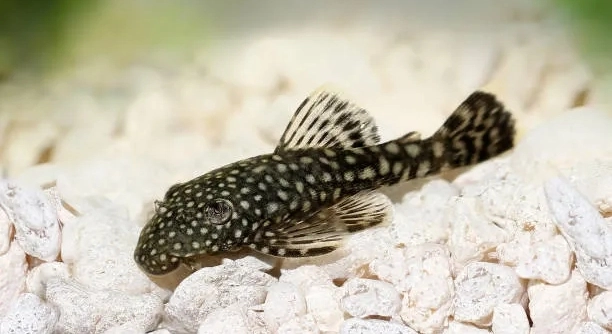
Do you ever find yourself watching your pleco and wondering what really makes it happy in its tank environment?
Plecos thrive in environments that closely resemble their natural habitats. They prefer tanks with hiding spots, stable water conditions, a steady food supply, and clean, oxygen-rich water. Proper care leads to better health and behavior.
Understanding what plecos enjoy can help you create a peaceful, comfortable, and enriching tank that meets their needs and keeps them active.
Plenty of Hiding Spots
Plecos feel safe when they have places to hide. In the wild, they often rest under driftwood, rocks, or inside small caves. These spots help them feel secure and lower their stress. In a home tank, it’s important to provide similar options. Adding driftwood, clay tubes, or rock caves can make a big difference. These items not only give your pleco a place to hide but also add structure to the tank. It helps define their territory and keeps them from feeling exposed. The more comfortable they feel, the more active and healthy they become. Avoid brightly lit tanks with no cover. Plecos are often nocturnal and enjoy shaded areas during the day. Choosing darker substrate and adding live plants can also help mimic their natural habitat. It doesn’t have to be complicated—just a few well-placed pieces can improve their environment a lot and support their overall well-being.
Small shelters allow plecos to rest without being disturbed. It also reduces stress, which can lead to fewer health issues over time.
A peaceful pleco is more likely to show natural behaviors, like grazing on algae or exploring its space. You may not always see them out and about during the day, but providing hiding spots gives them the choice to rest or be active on their own terms. These areas give them a sense of control. Some plecos also prefer tight-fitting spaces, so it’s helpful to include different sizes of hiding places. Just be sure everything is stable and won’t shift or collapse. Even one secure hiding place can help your pleco feel at ease. This small addition makes a big difference in how they experience their environment.
Clean, Well-Oxygenated Water
Plecos do best in clean, stable water with good oxygen flow. Poor water quality can cause health problems and stress.
A strong filtration system is essential for a pleco tank. Plecos produce a lot of waste, and that waste can quickly pollute the water if not handled properly. Choose a filter that matches your tank size and water volume. In addition to filtration, regular water changes are important. Try to change about 25% of the water weekly to keep nitrate levels low. Plecos also benefit from high oxygen levels, which can be improved with air stones, sponge filters, or even just good surface movement from the filter output. Keep an eye on the water temperature as well—most plecos do well in water that stays between 74–80°F. If the water is too warm and lacks oxygen, it may make them sluggish or stressed. Check your water parameters regularly using a reliable test kit. Aim for neutral pH and low ammonia and nitrite levels.
Smooth Driftwood for Grazing
Plecos enjoy having driftwood in their tank. It gives them something to rasp on, which is part of their natural behavior. Some species even rely on the wood for digestion, so including it can support both activity and health.
Driftwood offers more than just hiding spots. It serves as a grazing surface where biofilm and algae grow, giving plecos a steady, natural food source. Many plecos enjoy rasping on the soft surface of certain driftwoods like Malaysian or Mopani. Over time, the wood will slowly wear down from this activity, but that’s normal. It’s important to clean the wood before adding it to the tank, but avoid boiling it too long—this can strip away helpful tannins. These tannins are actually good for your pleco and help create slightly acidic conditions they prefer. Just make sure the piece is smooth, without sharp edges that could injure your fish.
Not all plecos eat wood, but many benefit from having it available. It encourages natural foraging behavior and keeps them busy between feedings. If your pleco is constantly rasping on surfaces, it might be a sign they’re looking for something like driftwood. Providing it can help satisfy that instinct. Over time, you may also notice less stress and more activity when driftwood is available. It creates a more natural, engaging tank environment overall. Plus, the dark color and texture of the wood help the tank feel more like their native habitat, especially when combined with plants and soft lighting.
Consistent Lighting and Shade
Lighting should be gentle and stable. Plecos are mostly active at night and prefer dim surroundings during the day. Bright lights with no cover can cause stress or hiding for long periods. Soft, consistent lighting and shaded areas help them feel at ease.
Plecos don’t need intense lighting, and in many cases, less is better. Choose a low to moderate light setup and add plants or decorations that cast shade. Floating plants are great for this because they create natural cover while still allowing light to reach the tank. If your lighting is on a timer, keep it at 8–10 hours a day to match natural cycles. Avoid sudden lighting changes, which can startle them. If your pleco stays hidden all day and only comes out at night, it may be avoiding harsh lighting. Consider adjusting the brightness or layout to give more shaded zones. Having dark areas and smooth transitions between light and shade creates a calm environment they’ll feel safer exploring.
Soft Substrate Beneath Them
Plecos spend a lot of time on the tank floor, so a soft substrate is better for their bodies. Sand or smooth gravel prevents damage to their undersides and helps them feel more comfortable while resting or foraging.
Rough or sharp substrate can cause scrapes or irritation over time. Choosing fine sand or rounded gravel supports healthier skin and reduces the chance of injuries. It also allows for more natural movement, especially when they sift through it in search of food.
Steady Food Supply
Plecos need more than algae to stay healthy. While many people assume they can live on tank algae alone, most species need a mix of sinking pellets, vegetables, and occasional protein. Offering a balanced diet keeps them active and helps them grow properly. Feed them after lights out if they hide during the day. Zucchini, cucumber, and blanched spinach are great veggie options. Sinking wafers made for bottom-feeders work well, too. Some plecos even enjoy occasional treats like bloodworms or shrimp, depending on the species. It’s important to feed the right amount without overdoing it to keep the water clean.
Minimal Tank Mates
Plecos do best with peaceful tank mates. Aggressive or overly curious fish can bother them and cause stress, especially when plecos are trying to rest or feed. Choose calm species that won’t compete for their space or food.
FAQ
Do plecos need driftwood in their tank?
Yes, many plecos need driftwood, especially species like the Bristlenose or Clown pleco. Driftwood provides a natural surface for rasping and supports their digestive health. Some plecos even consume the wood itself, which helps with digestion. Driftwood also encourages natural behaviors, adds structure to the tank, and makes the pleco feel more at home. Choose soft woods like Malaysian or Mopani, and avoid sharp pieces. Be sure to soak or boil it to remove dirt and prevent it from floating.
What is the best temperature for plecos?
Most plecos prefer temperatures between 74°F and 80°F. Staying within this range helps support a healthy immune system and proper digestion. Sudden changes in temperature can stress them out, so it’s important to use a reliable heater and thermometer. For some species, like the Zebra pleco, the range may be slightly higher. Always research the needs of your specific pleco to keep it comfortable and healthy. Keeping the tank stable is more important than aiming for the highest temperature.
How often should I feed my pleco?
Feed your pleco once a day, preferably in the evening when they are more active. Plecos are bottom feeders and often come out at night to graze. If they are hiding during the day, dropping food after the lights go off can help. Don’t overfeed—uneaten food can lead to poor water quality. Offer a mix of algae wafers, sinking pellets, fresh vegetables, and occasional protein (if your pleco species needs it). Watch how much they eat and adjust as needed.
Can plecos live alone, or do they need companions?
Plecos do not need other plecos to be happy. In fact, many species are territorial and may become aggressive toward each other if the tank is too small. Most plecos do well on their own, as long as their tank is set up correctly. They can share a tank with peaceful fish that don’t compete for food or space. Avoid fish that nip fins or are very active around the bottom of the tank.
Why is my pleco always hiding?
It’s normal for plecos to hide during the day. They are mostly nocturnal and tend to stay in shaded or covered areas while the lights are on. If your pleco has good hiding spots, it’s likely just resting. However, if it never comes out at night or avoids food, check your water quality and lighting. Too much brightness or poor water conditions can cause stress and lead to hiding more than usual.
Can plecos clean the tank on their own?
Plecos help control algae, but they cannot keep a tank clean by themselves. Relying on a pleco to “clean” your tank is a common misunderstanding. They do eat algae and leftover food, but they also produce a lot of waste. You’ll still need to do regular water changes, gravel vacuuming, and filter maintenance.
What vegetables can plecos eat?
Plecos enjoy vegetables like zucchini, cucumber, green beans, peas (shelled), and spinach. Always blanch or soften vegetables before adding them to the tank so they sink and are easier to eat. Remove uneaten pieces within 24 hours to avoid fouling the water. Rotate different veggies to give variety.
Do plecos need a large tank?
Yes, most plecos need a spacious tank. Some species grow quite large—Common plecos can reach over a foot in length and require at least 75 gallons. Even smaller species, like the Bristlenose, do best with 20 gallons or more. Larger tanks provide more stable water and more room to explore.
How can I tell if my pleco is healthy?
A healthy pleco will have a full body, active behavior during feeding, and no signs of injury or illness. Its color should be even and its fins should be intact. Watch for symptoms like clamped fins, white spots, labored breathing, or sudden hiding. These can all be signs of illness or stress. Regular tank maintenance and a good diet will help keep your pleco in good shape.
What kind of lighting is best for plecos?
Use soft lighting or keep lights on a timer to give your pleco a stable day-night cycle. Bright light can stress them out, especially if there’s nowhere to hide. Floating plants, rocks, or decorations can help create shaded zones. Keeping a calm, dimly lit tank helps them feel secure and encourages natural activity.
Final Thoughts
Caring for a pleco means paying attention to the small details in their environment. These fish have specific needs that are often overlooked. Clean water, hiding spots, soft substrate, and a calm setting all play a big role in their comfort. When their space is set up properly, plecos tend to be healthier and more active. They become less stressed, show natural behaviors like grazing and exploring, and are easier to care for in the long run. Making even small changes to the tank can have a positive impact. Whether it’s adding driftwood, softening the lighting, or including more plants, these changes help make the tank feel more natural for your pleco.
Every pleco is different depending on the species, but the basics remain the same. They do best with a steady food supply, stable water temperature, and peaceful tank mates. Feeding them at night, offering a mix of vegetables and pellets, and keeping the tank clean are all simple habits that go a long way. You don’t need anything fancy—just consistent care and attention. Some plecos are more visible during the day, while others prefer to stay hidden. That’s normal. Don’t worry if you don’t always see them moving around. As long as they are eating well and showing no signs of illness, they are likely doing just fine.
Plecos are often seen as “cleanup fish,” but they need care just like any other fish in the tank. They’re not just there to eat algae—they are living creatures with their own behaviors and needs. With the right setup, they can live for many years and add quiet beauty to your tank. Taking time to learn what plecos really enjoy in their environment helps both the fish and the person caring for them. It becomes easier to notice when something isn’t right, and easier to fix small issues before they become big problems. A calm, well-planned tank leads to a calm, healthy pleco—and that’s something worth the effort.

Hello,
If you enjoy the content that we create, please consider saying a "Thank You!" by leaving a tip.
Every little bit helps us continue crafting quality advice that supports the health, happiness, and well-being of pets around the world, for pets of all shapes, sizes, and species.
We really appreciate the kindness and support that you show us!