
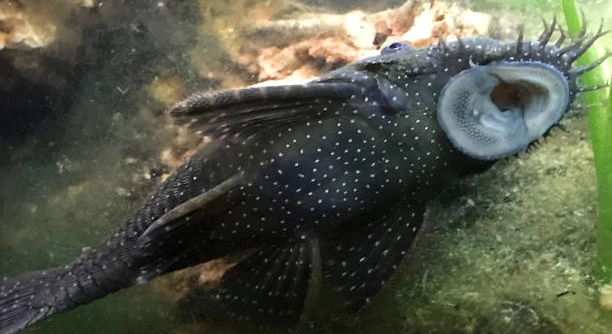
Loud noises are often a cause of stress for many animals, including fish. Plecos, like other aquarium species, react in various ways when exposed to loud sounds. Understanding how they respond can help create a more peaceful environment.
Plecos tend to react to loud noises by hiding or becoming more active, as they may perceive the sounds as a potential threat. Some species may display stress behaviors like rapid swimming or darting, while others may remain motionless.
It is important to consider how your tank’s environment can influence your pleco’s well-being. These responses are typically temporary, but repeated exposure may affect their long-term health.
How Loud Noises Affect Plecos’ Stress Levels
Plecos, like many fish, are sensitive to changes in their environment. Loud noises, whether from nearby activity or vibrations, can cause stress in these aquatic creatures. When exposed to unfamiliar sounds, plecos may react by hiding, swimming erratically, or even staying still for long periods. Over time, consistent loud noises can lead to chronic stress, affecting their health.
In the wild, plecos are used to the gentle sounds of their natural habitat. Sudden loud noises in a tank environment can be alarming, making them feel unsafe. This can disturb their regular behavior, causing them to avoid their usual activities.
The stress caused by loud noises can lead to several health issues for plecos. For instance, they may lose their appetite, resulting in poor growth and weight loss. Prolonged exposure may even weaken their immune system, making them more susceptible to diseases. Creating a quiet, stable environment for your pleco is essential for their well-being and longevity. Keeping noise levels to a minimum can help reduce the stress and maintain a calm, healthy tank environment.
Signs of Stress in Plecos
Stress in plecos can manifest in different ways. You may notice changes in their behavior or physical appearance.
When stressed, plecos may hide more often than usual, swim in an erratic pattern, or avoid eating. These changes can be linked to external factors, such as loud noises. Stress is often accompanied by darker colors or unusual postures, signaling that something is wrong.
To help manage stress, you can try to reduce noise levels around the tank. This includes avoiding loud conversations, music, or movement near the aquarium. You should also consider the location of the tank. Keep it in a quieter part of your home to prevent unnecessary disturbances. Along with controlling the noise, ensure your pleco has plenty of hiding spaces to retreat to when they feel threatened. This will help them feel safe and reduce anxiety. Keeping the water quality in check is also vital for reducing stress.
Effects of Long-Term Noise Exposure on Plecos
When plecos are exposed to loud sounds consistently, the stress can accumulate, leading to long-term health issues. These include reduced immune function, poor growth, and changes in behavior that can affect their overall well-being. The more frequent the noise, the greater the risk of these long-term effects.
Chronic stress from noise can lead to physical and behavioral changes. For instance, plecos may become more reclusive or show signs of anxiety, like erratic swimming or hovering near the surface. Their appetite may decrease, resulting in poor nutrition and slower growth. Over time, their weakened immune system can make them more vulnerable to infections.
Plecos, like other fish, rely on stability in their environment to thrive. Sudden or persistent noise can disrupt this balance, causing them to feel threatened. This ongoing stress can also lead to poor water quality if the plecos are less active in their regular feeding and waste production patterns. Ensuring a quieter, more peaceful environment can help keep your pleco healthier in the long run.
How to Reduce Noise Around Your Pleco Tank
Keeping your pleco tank in a quiet area is the first step toward reducing stress. Avoid placing it near noisy appliances, TVs, or areas with heavy foot traffic.
Reducing noise goes beyond location. It’s also important to manage sounds caused by external activities, like conversations, pets, or even vibrations from nearby appliances. Try to set up the tank in a part of your home where these disturbances are minimal. You can also invest in noise-dampening materials or covers for the tank to reduce the effects of sound.
When caring for plecos, it’s essential to think about their environment holistically. Along with noise reduction, maintaining proper lighting and water conditions helps reduce stress and ensures your pleco remains healthy.
The Role of Hiding Spaces in Stress Management
Plecos feel safest when they have places to hide in their tank. Providing plenty of caves or plants for them to retreat into can help reduce stress caused by noise. A hidden space lets them feel secure when the environment gets too loud.
Without proper hiding spaces, plecos may feel exposed and vulnerable. This can amplify the stress they experience from loud noises. In addition to physical protection, hiding areas give plecos a sense of privacy, which is crucial for their well-being. Ensuring there are multiple places for your pleco to hide will help them manage stress better.
The Impact of Water Quality on Stress
Water quality plays a huge role in how plecos react to stress. Poor water conditions can make your pleco more sensitive to external stressors, such as loud noises. Maintaining clean, balanced water will help your pleco stay resilient in challenging situations.
Even though loud noises can stress plecos, the overall health of the tank matters. By keeping ammonia, nitrate, and nitrite levels in check, you ensure that the pleco’s immune system remains strong. Clean water allows them to recover more quickly from stressful situations, making them less likely to show signs of anxiety.
How Lighting Affects Plecos’ Behavior
Lighting can also influence how plecos react to their environment. Plecos are typically more active in low-light conditions, where they feel safe. Bright lights can cause stress, especially if they’re too intense.
Too much light can force plecos to hide more, making them feel unsafe. A dimmer environment may help keep them calm and active. Just like with noise, it’s about finding a balance that works for your pleco’s comfort.
FAQ
Do plecos get stressed from loud noises?
Yes, plecos can experience stress from loud noises. As sensitive creatures, they are easily startled by sounds, which can disrupt their sense of safety. This stress may lead to behaviors like hiding, erratic swimming, or loss of appetite. Over time, continuous exposure to loud noises can impact their overall health, leading to weakened immune systems and slower growth.
What type of noise is harmful to plecos?
Any loud, sudden, or repetitive noise can be harmful to plecos. This includes sounds like music, talking, or vibrations from appliances and nearby footsteps. Even aquarium equipment, like filters or air pumps, can cause vibrations that may startle your pleco. It’s best to keep the tank in a quieter area of the home, away from loud distractions.
How can I tell if my pleco is stressed from noise?
Stressed plecos may exhibit various signs. They could hide more often than usual, swim erratically, or become less active. You might also notice changes in their coloring, such as becoming darker or more subdued. If your pleco stops eating or behaves unusually, this can be a sign that they are stressed due to noise or other environmental factors.
Can noise affect plecos’ health in the long term?
Yes, long-term exposure to loud noises can lead to chronic stress, which can weaken your pleco’s immune system. This makes them more vulnerable to diseases and infections. Prolonged stress can also slow their growth and overall development. If stress becomes a regular part of their life, their behavior may change permanently, making them more anxious or reclusive.
What can I do to reduce noise around my pleco tank?
To reduce noise, place the pleco tank in a quiet area of your home, away from high-traffic zones and loud appliances. Try to avoid making sudden loud sounds near the tank, such as dropping objects or raising your voice. You can also invest in noise-dampening materials or covers for the tank to minimize vibrations and sounds from outside sources.
Do plecos need a lot of hiding spaces?
Yes, plecos thrive when they have plenty of hiding spaces. Providing caves, plants, or other decorations in the tank gives them a safe spot to retreat to when they feel threatened or stressed. This is especially important in environments with noise or high activity. Having multiple hiding areas ensures that your pleco can always find a place to relax and recover from stress.
How do plecos react to loud music or talking?
Loud music and conversations can cause plecos to feel unsafe. The vibrations and sudden sounds may cause them to become more reclusive or erratic in their movements. Plecos do not respond well to consistent noise, and it can take them a while to calm down after such exposure. Minimizing noise, including avoiding loud music near the tank, will help keep your pleco more comfortable.
Can water quality help reduce stress in plecos?
Yes, maintaining good water quality is essential for reducing stress in plecos. Poor water conditions can make them more sensitive to other stressors, including noise. Clean, well-maintained water supports a healthy immune system, allowing plecos to recover from stressful situations more easily. Regularly check ammonia, nitrite, and nitrate levels, and ensure the water temperature remains stable for their comfort.
Does bright lighting cause stress for plecos?
Bright lighting can indeed stress plecos. They are naturally more comfortable in dimmer environments, and bright lights can make them feel exposed and vulnerable. If you notice that your pleco is hiding or more inactive when the lights are on, try dimming the lighting or providing places in the tank where they can retreat from the light. Low-light conditions help plecos feel safe and more at ease.
Are plecos more sensitive to noise than other fish?
Plecos, like many other fish, are sensitive to noise, but their response can vary by species. While some fish may tolerate noise better, plecos tend to be more affected due to their naturally cautious nature. They are bottom dwellers and can be easily startled by sounds or vibrations in their environment. Creating a quieter habitat is particularly important for them.
Final Thoughts
Plecos, like many fish, are sensitive to their environment. They thrive in calm, stable surroundings and are easily affected by loud noises. When exposed to sudden or continuous sounds, plecos can become stressed, which may show in their behavior or physical condition. This stress can lead to problems such as loss of appetite, erratic swimming, and weakened immune systems. Over time, if the noise continues, it can have a lasting effect on their overall health, making it harder for them to grow and stay healthy.
The good news is that there are simple steps you can take to reduce stress for your pleco. First, consider the placement of your tank. Keeping it in a quiet area away from loud appliances, foot traffic, or heavy vibrations can help minimize stress. It’s also helpful to ensure that your pleco has plenty of hiding spaces in the tank. Caves, plants, or decorations provide places for them to retreat when they feel threatened. This gives them a sense of security and helps them cope with any noise they may encounter.
Lastly, maintaining good water quality is just as important as reducing noise. Plecos rely on clean, balanced water to stay healthy and strong. When the water quality is poor, they are more likely to become stressed by noise and other factors. Regular water changes, proper filtration, and checking water parameters like ammonia and nitrate levels will help keep your pleco in a healthier, less stressed state. By considering these factors, you can create an environment where your pleco can feel comfortable, secure, and healthy.

Hello,
If you enjoy the content that we create, please consider saying a "Thank You!" by leaving a tip.
Every little bit helps us continue crafting quality advice that supports the health, happiness, and well-being of pets around the world, for pets of all shapes, sizes, and species.
We really appreciate the kindness and support that you show us!