
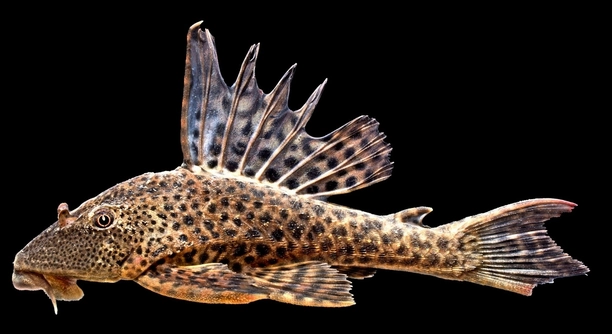
Have you ever found yourself caring for your plecos and hoping to see them start breeding, but nothing ever seems to happen?
Encouraging pleco breeding often comes down to providing the right environment, proper nutrition, and stress-free conditions. Key factors include clean water, suitable hiding spaces, and temperature control, all of which can help trigger natural breeding behaviors.
From choosing the right cave to tweaking water parameters, these simple adjustments could help your plecos feel ready to breed in your aquarium.
Provide the Right Breeding Environment
Creating a suitable space is one of the most important steps. Plecos need hiding spots where they feel safe. Caves made of ceramic or driftwood are ideal, as they mimic natural breeding areas. These should be placed in calm parts of the tank. Lighting should be gentle, and the tank should have minimal disruption during this period. Consistent water flow and good filtration help maintain the quality needed for breeding. Clean water with stable parameters keeps stress levels low, which encourages natural behavior. Male plecos often claim a specific cave, so offering several can reduce competition. Avoid overcrowding and keep aggressive tankmates away during breeding. Subdued lighting at night and a steady routine help them feel secure. If your tank is too bright or noisy, your plecos may hide more often and delay mating behavior. Keep the setup simple and natural to make them feel at home.
Provide dark, tight-fitting caves and limit bright lighting to help your plecos feel more secure and ready to breed.
If the tank feels too open or loud, your plecos may feel uncomfortable and delay reproduction. Recreating a calm, natural setting is one of the most helpful steps you can take. Small changes to the tank layout can go a long way.
Maintain Ideal Water Conditions
Stable water parameters make a big difference for pleco breeding. Temperature, pH, and cleanliness should all stay within the right range.
Keep the water between 78°F and 82°F. A slight increase in temperature can encourage spawning. Soft water with a pH between 6.5 and 7.5 is best. Regular water changes are important to remove waste buildup and keep everything clean. Use a good-quality filter that doesn’t create strong currents. Plecos also appreciate some oxygenation, so adding a bubbler or sponge filter can help. Test the water weekly to make sure the levels stay where they should be. High nitrates or ammonia can make breeding less likely. If your tap water is hard or high in chlorine, use a water conditioner or consider reverse osmosis water. Any sudden changes should be avoided, as plecos react badly to unstable conditions. Keeping everything stable gives your plecos the confidence to settle into breeding behavior.
Feed Them a Breeding-Friendly Diet
A nutritious diet supports breeding and helps plecos stay healthy during the process. Feed them a mix of protein and plant-based foods, and avoid overfeeding or letting food rot in the tank.
Offer sinking pellets rich in protein along with blanched vegetables like zucchini, cucumber, and spinach. You can also add occasional treats like bloodworms or brine shrimp to boost protein intake before breeding. Variety is important—rotating food helps make sure your plecos get everything they need. Avoid feeding only algae wafers, as they don’t provide complete nutrition. Make sure the food reaches the bottom where plecos feed. Feed once or twice a day and remove leftovers to keep the water clean. A well-fed pleco will be more likely to show breeding behaviors and have the energy to care for the eggs or fry.
Feeding quality foods makes a real difference. Plecos that receive the right balance of nutrition tend to breed more regularly and show stronger signs of readiness. Males may clean out their chosen cave and display more active guarding behavior. Females may grow visibly rounder and show more interest in exploring hiding places. Keep a close eye on their appearance and appetite for signs.
Condition the Breeding Pair
To increase the chance of successful breeding, you’ll need to condition the male and female plecos. This means feeding them well and letting them rest in a low-stress environment for a few weeks. This helps their bodies get ready for reproduction.
Conditioning works best when done patiently. You should separate the breeding pair from other tankmates if possible. Keep their area quiet, clean, and stable. Feed them a balanced mix of high-protein and vegetable-based foods, and offer this consistently. Males will often begin to guard caves more actively once they feel ready. Females will start to fill out more and seem calmer. Avoid changing the water too often or shifting things around in the tank. The idea is to keep everything peaceful and predictable. Once both plecos show signs of readiness, like cave guarding and belly swelling, you can expect mating to happen soon if other conditions are also met.
Trigger Breeding With Water Changes
A slight drop in temperature during a water change can encourage breeding. Try lowering the water by a few degrees using fresh, slightly cooler water, but keep the drop gentle and consistent to avoid stress.
Frequent, small water changes also help mimic rainy season conditions, which often trigger spawning. This works well when combined with proper conditioning and a clean tank.
Give Them Peace and Privacy
Keep the tank area quiet and reduce foot traffic around it. Loud noises, tapping on the glass, or sudden movements can cause plecos to hide and pause breeding activity.
Avoid overchecking the tank. Letting plecos feel undisturbed helps the male guard eggs and reduces the risk of him abandoning the nest too soon.
Monitor for Breeding Behavior
Look for the male staying inside a cave for long periods. This may mean he’s guarding eggs. Females may become less active and stay close to the bottom after laying.
Remove Tank Mates if Needed
Aggressive or curious tank mates may interfere with breeding. If you notice others hovering near the cave, it’s best to move them to a different tank to avoid stress and protect any eggs.
FAQ
How long does it take for plecos to breed?
The breeding process can take a few weeks to a couple of months, depending on the pleco species, water conditions, and environment. Typically, once conditions are ideal, plecos may start showing breeding behaviors like cave guarding and increased activity. The actual mating and egg-laying process can happen within a few days to a week once they are ready. Afterward, it may take several days for the eggs to hatch.
What are the signs that plecos are ready to breed?
Plecos may start showing signs of readiness when the male begins to guard a cave and the female grows noticeably rounder. The male will likely spend more time cleaning and defending his cave, while the female will stay closer to the bottom of the tank, showing less interest in other tank mates. Other signs include the male becoming more territorial and actively courting the female by vibrating near her or nudging her toward his cave.
How can I tell if plecos are successfully breeding?
The most obvious sign is the male staying inside the cave, guarding a clutch of eggs. Pleco eggs are typically small and translucent, and they will be attached to the walls of the cave or another surface. You may also notice the female looking noticeably slimmer after laying her eggs. If you’re unsure, gently observe the tank without disturbing the plecos. If the male is guarding the cave and the eggs have not been eaten or disturbed, successful breeding is likely.
What should I do if the plecos eat their eggs?
Plecos may sometimes eat their eggs if they feel threatened or stressed. To prevent this, ensure that the tank is as stress-free as possible. Remove any aggressive tank mates, keep the water conditions stable, and avoid making sudden changes to the environment. If the eggs are being eaten, it may also be a sign that the male is not yet fully mature or confident in his ability to guard them.
How often do plecos breed?
The frequency of breeding depends on the species and the environment. In optimal conditions, plecos may breed every few months, especially when the water conditions mimic seasonal changes. However, if conditions are not ideal, breeding may not happen regularly. It’s important to give the plecos time to recover between breeding attempts to ensure their health and well-being.
Can I breed plecos in a community tank?
Breeding plecos in a community tank is possible, but it comes with challenges. The key is ensuring that the other fish are peaceful and won’t disturb the plecos during breeding. Some tank mates may be too aggressive or may interfere with the plecos’ cave, leading to stress and abandoned eggs. For the best results, it’s often recommended to separate the breeding pair into their own tank to give them a stress-free environment.
Do plecos need specific water parameters to breed?
Yes, water conditions play a significant role in pleco breeding. Plecos generally prefer slightly acidic to neutral water with a pH between 6.5 and 7.5. The temperature should be kept between 78°F and 82°F, as a warmer environment mimics the rainy season, which encourages breeding. Water hardness should be soft to moderately hard. It’s also crucial to keep the water clean and regularly monitor parameters like ammonia, nitrate, and nitrite levels.
Can plecos breed in a tank without a filter?
While plecos can technically breed in a tank without a filter, it is not ideal. A filter helps maintain water quality, removes waste, and prevents dangerous toxins from building up. Without a filter, the tank may become polluted quickly, leading to stress and poor breeding conditions. If you decide to breed plecos in a tank without a filter, be sure to perform frequent water changes to maintain water quality.
What should I feed plecos to encourage breeding?
A well-balanced diet is essential for breeding. Plecos need a mix of protein-rich and plant-based foods to stay healthy and breed successfully. Offer sinking pellets, algae wafers, and blanched vegetables like zucchini, cucumber, and spinach. Adding occasional high-protein foods such as bloodworms or brine shrimp can help condition them for breeding. Feed them several small meals each day and remove uneaten food to keep the water clean.
Do plecos breed in captivity naturally?
Yes, plecos can breed in captivity as long as the conditions are right. They do not require a specific breeding season, but mimicking natural environmental factors like temperature changes, water quality, and food can help trigger breeding. Providing plenty of hiding spots, a consistent routine, and minimal disturbances will encourage plecos to breed naturally in your aquarium.
What happens after plecos lay their eggs?
After the female lays her eggs, the male will fertilize them and guard them in the cave. The eggs will take anywhere from 4 to 10 days to hatch, depending on the water temperature. During this time, the male will stay close to protect the eggs from potential threats. Once the eggs hatch, the fry will remain in the cave for a few more days before swimming freely. They’ll feed off the algae and biofilm in the tank until they grow large enough to eat other foods.
How can I care for pleco fry?
After the eggs hatch, the fry will remain in the cave for a few days before becoming free-swimming. At this point, you should start feeding them small amounts of food, such as crushed algae wafers, baby brine shrimp, or finely crushed fish food. Make sure to provide plenty of hiding spaces for the fry to feel safe. Keep the water clean and maintain stable water parameters to ensure they grow healthy. Keep a close eye on them, as they are vulnerable to larger tank mates.
Will plecos breed in a bare-bottom tank?
Yes, plecos can breed in a bare-bottom tank, but it’s not the most ideal setup. A bare bottom may lack the natural surfaces where plecos like to lay their eggs. To encourage breeding in such a setup, consider adding decorations like caves, driftwood, or rocks. These surfaces give plecos the places they need to lay eggs and feel secure. A well-planted tank, even if not overly cluttered, can provide plecos with the comfort they need to breed.
Final Thoughts
Breeding plecos can be a rewarding experience if you take the time to provide the right conditions. By maintaining stable water parameters, offering a balanced diet, and ensuring a stress-free environment, you increase your chances of successful breeding. Plecos are relatively easy to care for when it comes to breeding, but they do require attention to detail, such as creating hiding spots and providing clean, calm water. These steps make it possible for plecos to breed naturally in your tank.
Patience is key in this process. Plecos are not always quick to breed, and it may take several attempts before you see any results. During this time, it’s important to monitor their behavior and make sure the environment is right. If the plecos are not ready to breed, it could be due to factors like temperature fluctuations, water quality issues, or an imbalance in their diet. However, with the right care and a little time, plecos will often begin to show breeding behaviors when they feel comfortable and safe.
Remember that pleco breeding doesn’t always lead to success, and that’s okay. Some eggs may not hatch, or the pair might not bond right away. Every pleco tank is different, and what works for one setup may not work for another. It’s all part of the process. The most important thing is to keep your plecos healthy and happy, and with the right care, you’ll likely see them breed in their own time. Keep trying different methods, pay attention to their needs, and enjoy the experience of caring for these fascinating fish.

Hello,
If you enjoy the content that we create, please consider saying a "Thank You!" by leaving a tip.
Every little bit helps us continue crafting quality advice that supports the health, happiness, and well-being of pets around the world, for pets of all shapes, sizes, and species.
We really appreciate the kindness and support that you show us!